


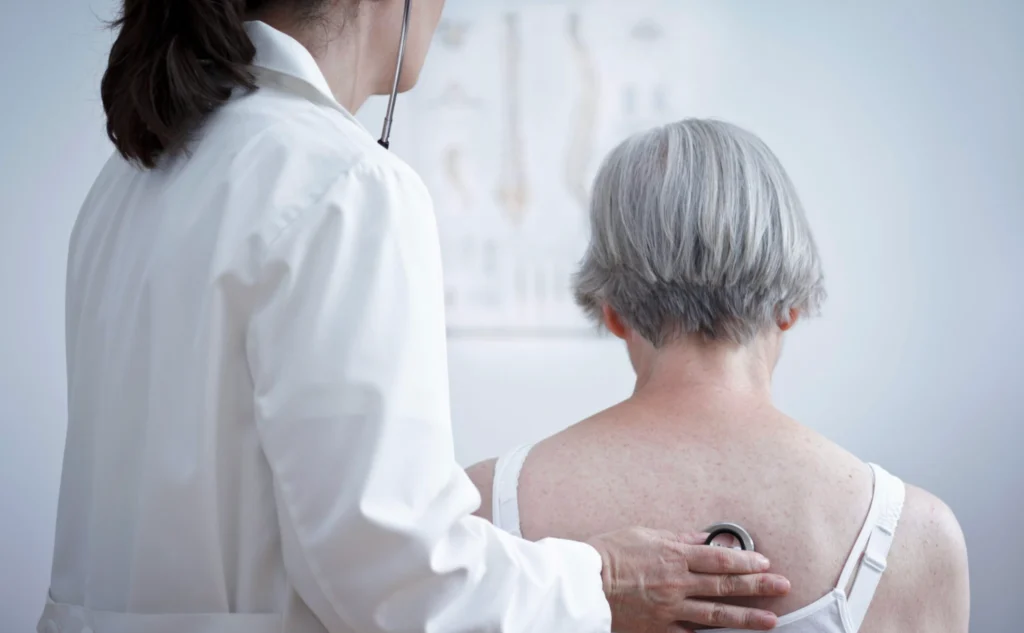
A mesothelioma diagnosis can leave patients with more questions than answers. The disease is rare, the medical language is unfamiliar, and treatment decisions may need to be made quickly. Families may also worry about medical bills, work, travel, caregiving, and the long-term effect of the diagnosis.
The first step is not trying to solve everything in one day. Patients need a small group of qualified people who can answer different types of questions. An experienced oncologist can explain the cancer. A patient navigator can help coordinate care. A counselor or support group can address the emotional strain. A leading mesothelioma firm can investigate how the disease developed and explain whether legal compensation may be available.
Start With a Clear Understanding of the Diagnosis
Mesothelioma develops in the thin tissue that covers certain internal organs. Pleural mesothelioma, which affects the lining around the lungs, is the most common form. Other forms can begin in the abdominal lining, around the heart, or in tissue surrounding the testicles.
Because mesothelioma is uncommon, many patients have never met anyone with the same diagnosis. The American Cancer Society reported in its February 2026 update that about 3,000 new cases are diagnosed in the United States each year. The organization also notes that U.S. rates rose from the 1970s through the 1990s before leveling off and declining slightly.
A patient should ask for copies of the pathology report, imaging results, laboratory records, and treatment notes. These records make it easier to seek a second opinion from a doctor who regularly treats mesothelioma. A specialist may confirm the diagnosis, explain the cancer’s cell type, and identify treatments that are not offered at a smaller local hospital.
| Information to request | Why it may matter |
|---|---|
| Pathology report | Shows the cancer type and cell characteristics |
| Imaging reports and scans | Help doctors review the tumor’s location and spread |
| Treatment recommendations | Allow another specialist to compare possible approaches |
| Medication list | Helps prevent interactions and repeated prescriptions |
| Work and military history | May provide clues about past exposure linked to the disease |
Find a Medical Team That Treats the Whole Person
Mesothelioma treatment is not the same for every patient. Doctors consider the cancer’s location, stage, cell type, previous treatments, and the patient’s overall health. Treatment may involve chemotherapy, immunotherapy, surgery, radiation, or a combination of approaches.
Patients should ask what each treatment is meant to accomplish. In some cases, the goal may be to remove as much visible cancer as possible. In others, treatment may focus on slowing growth, reducing symptoms, or helping a patient remain active for longer.
Supportive care also deserves attention from the beginning. Pain, breathing problems, fatigue, appetite changes, and anxiety can affect daily life. Palliative care specialists work alongside cancer doctors to manage these concerns. Receiving palliative care does not mean that active cancer treatment has stopped. It means the patient has another team focused on comfort and quality of life.
Clinical trials may be another subject to discuss. A trial can provide access to a treatment that is still being studied, but participation has requirements and possible risks. Patients need a direct explanation of what the trial includes, how often visits are required, and which costs may fall outside normal insurance coverage.
Prepare Questions Before Medical Appointments
Appointments can feel rushed, especially when a patient is processing difficult news. A written list helps keep the conversation focused. Bringing a family member or trusted friend can also help because that person can take notes and notice details the patient may miss.
| Question to ask | What the answer can clarify |
|---|---|
| Has the diagnosis been reviewed by a mesothelioma specialist? | Whether another pathology review may be useful |
| What type and stage of mesothelioma do I have? | How the disease is classified |
| What is the goal of this treatment? | Whether the plan targets control, relief, or tumor removal |
| What side effects should I report right away? | When the care team needs to be contacted |
| Are clinical trials appropriate for me? | Whether research options match the patient’s condition |
| Who can help with travel, insurance, or home care? | Which practical services are available |
Patients should not hesitate to ask for plain explanations. Medical terms can be translated into everyday language without losing accuracy. A good care team expects questions and gives the patient enough information to make an informed choice.
Build Support Outside the Treatment Room
Medical care is only one part of living with mesothelioma. Patients may need help getting to appointments, preparing meals, handling insurance calls, organizing medications, or completing basic tasks at home.
An oncology social worker can connect families with transportation programs, counseling, financial assistance, home health services, and local support groups. Some cancer centers also employ patient navigators who help schedule appointments and move records between providers.
Peer support can make the experience feel less isolating. Mesothelioma support groups may meet online, by phone, or in person. Patients can speak with people who understand the uncertainty of a rare diagnosis without expecting relatives to have every answer. Caregiver groups are also useful because spouses and adult children often face their own stress, exhaustion, and financial concerns.
The best support plan is realistic. One relative might manage the appointment calendar. Another could handle meals or transportation. A trusted friend may provide updates to the wider family so the patient does not have to repeat the same difficult conversation.
Get Reliable Legal Answers After Diagnosis
Most mesothelioma cases have a connection to asbestos exposure, but patients may not know where that exposure occurred. The contact may have happened decades earlier at a workplace, military installation, construction site, factory, shipyard, home, or through contaminated work clothing.
A mesothelioma lawyer can examine employment records, job duties, product information, military service, and residential history. This work may identify companies responsible for the exposure and determine whether a lawsuit, asbestos trust claim, or other form of compensation is possible.
Meirowitz & Wasserberg, LLP represents people affected by mesothelioma and other serious injuries. Its experience with complex cases can help families understand the legal process while medical care remains the main priority.
Patients should seek legal information early because filing deadlines differ by state. An early conversation can also make it easier to preserve records and speak with former coworkers while details are still available. No ethical attorney can guarantee a result, but qualified counsel should explain the available paths, expected steps, fees, and possible timing in clear terms.
Focus on the Next Useful Step
Mesothelioma patients do not need every answer at once. They need accurate information in a sensible order. Confirm the diagnosis. Speak with an experienced specialist. Ask about treatment goals and symptom control. Choose people who can help with practical needs. Then obtain legal advice about the history behind the disease.
A rare diagnosis can make the future feel uncertain, but patients do not have to manage the process alone. The right medical, emotional, practical, and legal support can replace scattered information with a plan that feels more manageable.