

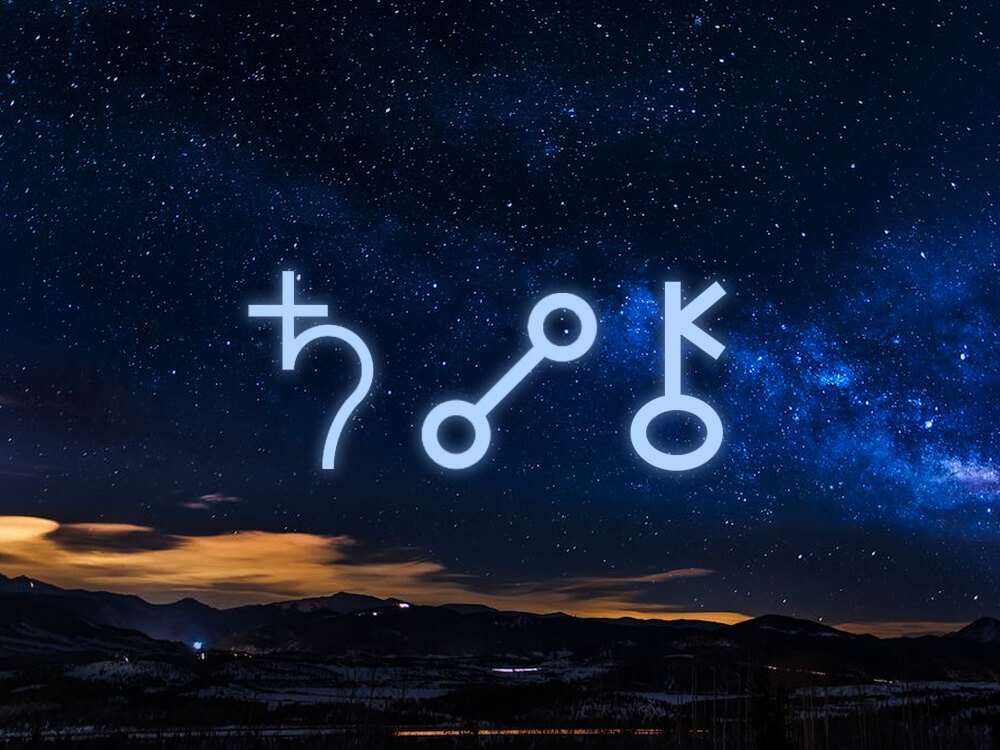
Saturn opposite Chiron is an aspect associated with childhood wounds, strict authority figures, fear of failure, and the pressure to become responsible too early in life. Saturn represents rules, discipline, limitations, and authority, while Chiron represents emotional wounds, insecurities, and experiences that remain painful long after they happen.
The opposition is a 180-degree aspect that creates tension between two opposing forces. With Saturn opposite Chiron, the conflict can involve your need for support and your belief that you must handle everything alone. You may become highly capable and dependable, yet struggle to accept help or forgive yourself for making mistakes.
Childhood and Early Responsibilities
Saturn opposite Chiron can describe a childhood shaped by strict expectations, criticism, or responsibilities that belonged to adults. You may have grown up with a demanding parent, an emotionally distant caregiver, or someone who expected you to behave maturely regardless of your age.
Some people with this aspect become the responsible child in the family. They look after younger siblings, mediate arguments between parents, or learn to hide their own problems because someone else always seems to have bigger ones.
Saturn can also represent an authority figure whose criticism leaves a lasting impression. Being repeatedly told that you are lazy, irresponsible, too sensitive, or incapable can influence how you judge yourself years later.
For example, Saturn in the 4th house opposite Chiron in the 10th may describe someone who grew up with a strict or critical parent and later struggles with fear of failure at work, criticism from employers, or the constant need to prove their professional abilities.
Self-Criticism and Fear of Failure
You may set impossibly high standards for yourself and become frustrated over mistakes that other people would forget within minutes. Even small failures can bring back memories of being criticized, embarrassed, or told you should have done better.
You might spend weeks preparing for an exam or job interview, perform well, and still concentrate on the one question you answered incorrectly. Compliments may seem exaggerated, whereas criticism confirms something you have believed about yourself for years.
Saturn sets high standards, and Chiron represents the insecurity those standards can aggravate. You may believe that becoming more successful, disciplined, attractive, or accomplished will finally put an old insecurity to rest.
Asking for help can also be difficult. If you were criticized for making mistakes as a child, admitting that you need assistance as an adult may bring back the same embarrassment.
Relationships and Authority Figures
This aspect can influence your relationships with parents, teachers, employers, and romantic partners.
You may be especially sensitive to criticism from older people or those in positions of authority. A manager correcting a small mistake, for example, might remind you of a parent who was impossible to please.
In romantic relationships, you could become involved with someone who is emotionally reserved, demanding, or much older. You may work hard to earn their approval, even when the relationship gives you little reassurance in return.
The opposite pattern is possible too. You might take on Saturn’s role by becoming overly critical of a partner, expecting them to meet high standards, or struggling to accept their weaknesses.
Because an opposition involves two ends of an axis, these roles can alternate. At times, you may be the person seeking approval. At others, you may be the one withholding it.

The Pressure to Be Strong
You may be the person everyone calls during a crisis, yet hesitate to tell anyone when you are struggling. Showing vulnerability can be embarrassing, especially if you grew up in an environment where crying, complaining, or asking for support was criticized.
Your sense of self-worth may become tied to being useful. You might work overtime, take care of everyone else’s problems, or insist on handling everything yourself because depending on someone else makes you uncomfortable.
These experiences can also influence how you treat others. Someone who struggled academically may become a patient teacher. A person who grew up with constant criticism may become especially careful about how they speak to children or people they supervise.
During a Transit
Transiting Saturn opposite natal Chiron can bring back painful memories through situations involving authority, rejection, responsibility, or personal limitations. Someone who spent their childhood trying to please a demanding parent may find themselves working for a boss who criticizes everything they do.
Work and family obligations can become particularly demanding. You may have to care for an aging parent, support a relative financially, or accept responsibilities that interfere with your own plans. If you grew up being expected to put everyone else first, these circumstances can bring back old resentment.
Saturn also rules bones, teeth, and the structures of the body, so medical appointments, dental treatment, or existing physical limitations may require attention during this transit. Health concerns can become especially frustrating when they affect your independence or ability to work.
In Synastry

In synastry, Saturn opposite Chiron can create a relationship where criticism, authority, and old insecurities become recurring sources of conflict. The Saturn person may unintentionally remind Chiron of a strict parent, demanding teacher, or former partner who made them question their abilities.
For example, Saturn might criticize Chiron’s spending habits, career decisions, parenting, or lack of discipline. A comment that seems perfectly reasonable to Saturn can be deeply hurtful to Chiron, particularly when it concerns something they were criticized for during childhood.
Chiron can also expose Saturn’s insecurities. The Saturn person may become uncomfortable when Chiron questions their authority, challenges their rules, or brings attention to past mistakes. Saturn might respond by withdrawing affection, becoming more controlling, or insisting that their way is the correct one.
In romantic relationships, differences in age, income, or responsibilities can create an unequal dynamic. The Saturn person may start making decisions for both partners, criticizing Chiron’s choices, or treating them as someone who needs constant guidance. Over time, Chiron may become resentful of being treated like a child instead of an equal partner.
Old Wounds and Heavy Responsibilities
Saturn opposite Chiron can leave you trying to prove yourself to people who criticized you years ago. You may work harder than necessary, accept responsibilities that belong to someone else, or take a small mistake as proof that you are incapable.
In the natal chart, these patterns may begin with childhood expectations and continue into adulthood. During a transit, a demanding employer, family obligation, or difficult decision can bring old insecurities back. In synastry, the Saturn person may unintentionally repeat the criticism that the Chiron person experienced earlier in life.
The signs and houses involved show where these conflicts are concentrated. Saturn describes the rules, fears, and responsibilities you carry, and Chiron points to the experiences that made certain criticisms particularly painful.
More Saturn and Chiron Aspects
- Saturn Quincunx Ascendant: The Discomfort of Being Yourself
- Saturn Square Mercury: Pressure That Sharpens the Mind
- Chiron in the 2nd House: The Wound of Worth and Survival
- Chiron in Cancer: The Wound Around Home, Care and Privacy
- Chiron in the 12th House: Hidden Wounds, Solitude, and Healing