



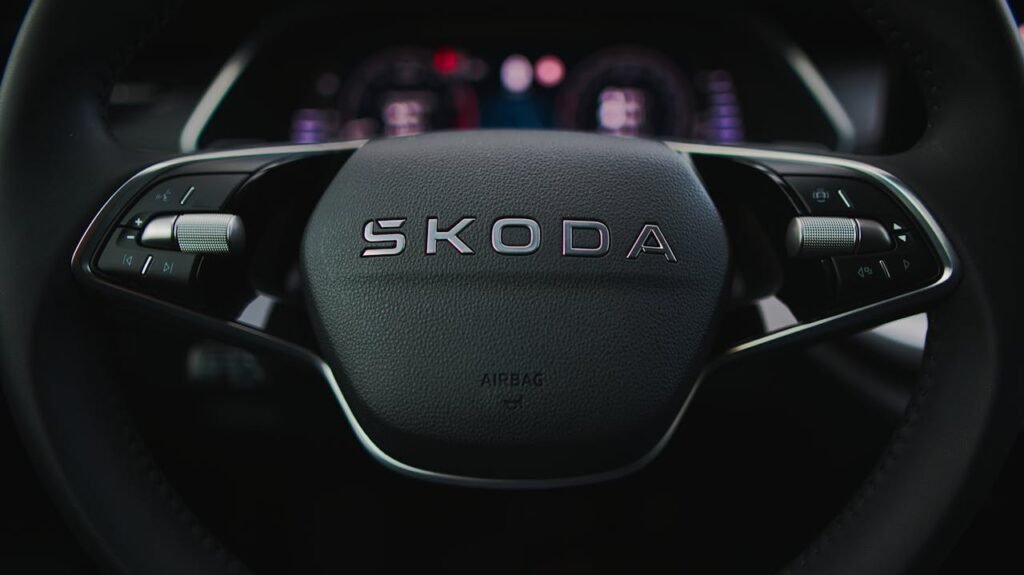
A lot of foreigners are surprised when they learn that the word Škoda actually has a meaning in Czech. Since Škoda is one of the most recognizable car brands in Europe, many people assume the name was invented purely for branding. In reality, it is a common Czech surname with several real meanings used in everyday language.
As a Czech native, I get asked about this quite often. Once people discover what the word means, the reaction is usually laughter or confusion, especially because some meanings sound unintentionally ironic for a car company.
The name itself comes from Emil Škoda, a Czech engineer and businessman who bought an engineering factory in 1869. The company later became connected to automobile production, eventually turning into the Škoda brand known today.
In Czech, the word “škoda” commonly means damage, loss, pity, regret, or feeling sorry for someone. It is a very common Czech word used in everyday conversations and expressions.
Škoda = Damage or Total Loss
One of the most common meanings of the word škoda in Czech is “damage.” This can refer to physical damage, financial damage, or losses caused by accidents.
That is why many foreigners find the car brand name unintentionally funny at first. Imagine driving a car whose name literally translates to “damage.”
Examples:
- Škoda na autě přesáhla 1 milion.
“The damage to the car exceeded 1 million.” - Pojišťovna vyhlásila totální škodu.
“The insurance company declared a total loss.” - Rozsah škody je nevyčíslitelný.
“The extent of the damage is impossible to calculate.”
In Czech, the phrase “totální škoda” is commonly used after serious car accidents when repairs no longer make financial sense.
Škoda = What a Pity or Too Bad
Another very common meaning of škoda is “what a pity,” “too bad,” or “what a shame.” Czech speakers use it constantly in everyday conversation, especially when reacting to disappointment, missed opportunities, or unfortunate situations.
Examples:
- To je škoda!
“That’s a pity!” - Škoda, že jsi mi to neřekl dřív.
“Too bad you didn’t tell me earlier.” - Škoda, že nemůžu jít s vámi.
“It’s a shame I can’t go with you.”
This version of the word has nothing to do with damage. It is closer to expressing regret or disappointment.
Škoda = Feeling Sorry for Someone
The word škoda can also express sympathy toward another person, especially after loss, tragedy, illness, or difficult life circumstances.
In this context, Czech speakers use the phrase “Je ho škoda” or “Je jí škoda,” which roughly translates to “It’s such a pity” or “I feel sorry for them.”
Examples:
- Je jí škoda, byla velmi mladá.
“It’s such a pity, she was very young.” - Je ho škoda, byl to skvělý člověk.
“I feel sorry for him, he was a great person.”
This usage carries a more emotional tone and is common after somebody dies, leaves unexpectedly, or experiences a major setback.
Why Is the Car Brand Called Škoda?
The Škoda car brand was named after Emil Škoda, a Czech engineer and businessman who bought an engineering company in the 19th century. The name itself was never chosen because of the dictionary meanings behind the word.
Even though “škoda” can translate to damage, pity, or regret in Czech, most Czech people do not think about those meanings when they hear the brand name. They think about the car company first.
The Funny Side of the Word Škoda
The Czech word “škoda” can mean damage, loss, pity, regret, or feeling sorry for someone. At the same time, it is also one of the most recognizable Czech surnames because of the Škoda car brand. That combination creates a lot of unintentionally funny situations for foreigners learning Czech.
If you crash your Škoda car, you can say: “Totální škoda byla 200 tisíc korun,” meaning “The total damage was 200,000 crowns.”
And if your friend cancels plans, you might say: “To je škoda, tak příště,” which means: “That’s a pity, maybe next time.”
Czech This Out
- The Czech Origin of the Word Robot: From Labor to Technology
- 15 Things Not to Do in the Czech Republic: Avoid These Mistakes
- How Czech Are You? 9 Signs You Belong in the Czech Republic
- How to Say Hello in Czech: 11 Common Greetings (With Meanings)