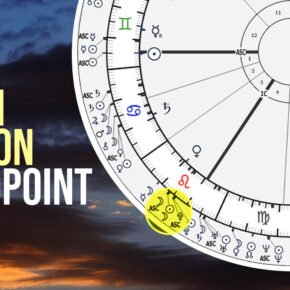



Sextiles in astrology are often described as positive aspects, but that explanation is far too simplistic. After analyzing hundreds of charts, I would never call sextiles purely positive just like that. A sextile does not automatically bring success, happiness, money, love, or effortless results.
In astrology, a sextile is a 60-degree aspect between two planets that creates opportunities, movement, ideas, cooperation, and potential growth. Unlike squares or oppositions, sextiles usually do not force change through pressure, conflict, losses, or emotional tension. At the same time, they are not passive blessings like trines either.
This is where many people completely misunderstand sextiles.
A sextile opens a door, but you still have to walk through it yourself. The energy of a sextile is active. It creates possibilities, realizations, encounters, decisions, conversations, and moments that can lead somewhere important if a person actually responds to them. If ignored, a sextile may pass almost unnoticed.
In natal astrology, sextiles show natural talents or abilities that develop through conscious effort over time. In transit astrology, sextiles often coincide with moments where life pushes a person toward change, improvement, practical decisions, or necessary adjustments. But sextiles are not always emotionally comfortable.
Sextiles Are Not the Same as Trines
People often place sextiles into the same basket as trines because both are considered “easy” aspects and in astrology software, such as Astro-Seek, they are usually marked with a positive blue color. In reality, they work very differently.
Trines flow naturally. Their energy feels automatic, stable, and familiar. Things often happen with less resistance because the planets cooperate effortlessly. Sextiles require participation.
A sextile may present an opportunity, an idea, a realization, a person, or a situation that helps improve something in your life, but nothing happens if you ignore it. This is why sextiles can sometimes feel surprisingly uncomfortable. They push a person toward awareness, adjustment, and action.
The energy is available, but it still demands involvement.
A Saturn sextile, for example, may not destroy something the way a square could, but it can slowly make a person aware of responsibilities, long-term consequences, financial realities, or practical problems they previously ignored.
That awareness itself can feel heavy even though the aspect is technically considered harmonious.
My Recent Experience With Saturn Sextiles

A few months ago, I started driving Bolt and Uber as a side hustle. I saw it mostly as extra income and flexibility. I enjoyed the independence, driving around the city, listening to music, and having control over my schedule.
Then in April, transit Saturn formed a sextile to my Venus and shortly afterward a sextile to my Mercury, both in Gemini. What surprised me was how suddenly my mindset changed during that time.
I started thinking constantly about my car, the kilometers I was driving every day, fuel expenses, maintenance, depreciation, and how much wear I was putting on the vehicle. Those thoughts appeared almost out of nowhere. Before that transit, I was simply driving without analyzing every practical detail so intensely.
During the sextile, I began feeling stressed about it. My car did not break down, I did not lose money suddenly, and there was no major crisis. But Saturn brought awareness. It forced me to look realistically at the long-term consequences of what I was doing.
I realized I either needed to stop driving so much or eventually buy an older car that I would not feel emotionally attached to damaging through constant use. That realization itself was the sextile.
What I felt was Saturn forcing me to look at the reality of the situation instead of just continuing automatically. Suddenly I was calculating kilometers, fuel costs, repairs, depreciation, and realizing how quickly constant driving was wearing the car down. Those thoughts became impossible to ignore during the sextile.
With that said, nothing terrible happened externally, but internally something shifted. Saturn made me understand that if I continued like this long-term, I would eventually have to deal with the consequences financially and practically. That awareness itself felt super uncomfortable because it interrupted the carefree mindset I had before.
This is why sextiles are not automatically “positive” in the way people describe them online. Sometimes they bring clarity that pushes you toward decisions you were not planning to make at all.
How Sextiles Manifest in Transit Astrology
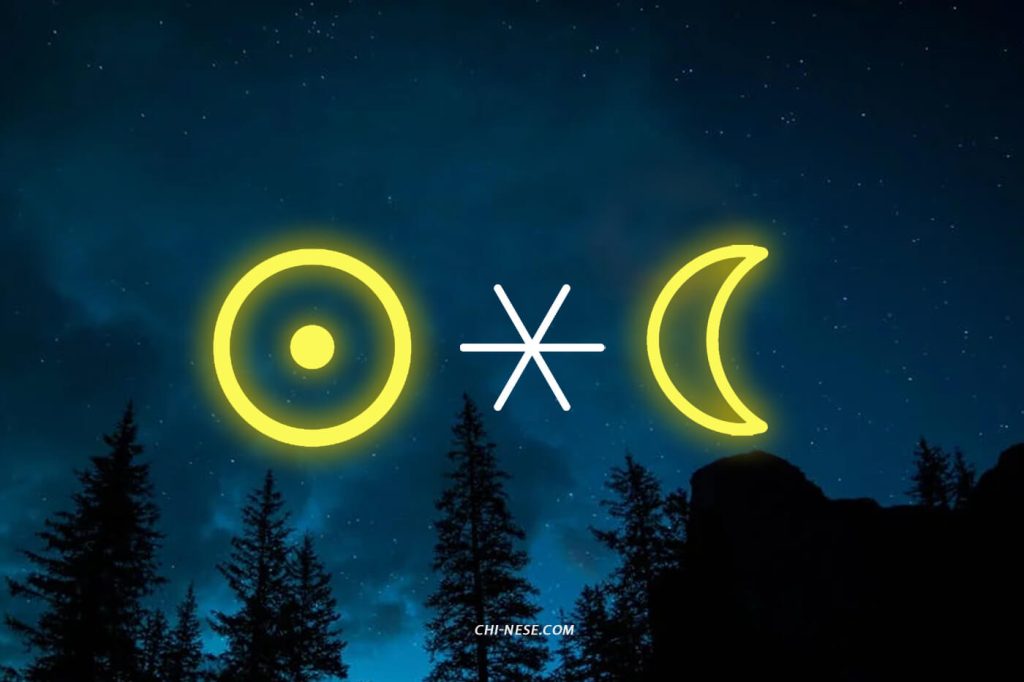
Transit sextiles often work through timing, opportunities, conversations, realizations, or internal shifts in perspective. They may look small externally while creating important changes internally.
For example:
- a sextile from Saturn may help a person organize finances, become more disciplined, rethink priorities, or make long-term plans
- a Venus sextile may open romantic opportunities, social connections, artistic inspiration, or financial improvements
- a Mercury sextile may bring important conversations, contracts, writing opportunities, learning experiences, or new ideas
- a Jupiter sextile may expand opportunities connected to travel, career, education, or personal growth
The key difference is that sextiles usually require conscious engagement. A person may receive an opportunity but fail to act on it. They may recognize a problem but postpone dealing with it. They may notice something important internally but ignore the realization completely. In those cases, the sextile still existed astrologically, but its potential remained unused.
Why Sextiles Can Feel Uncomfortable
One of the biggest misconceptions in astrology is the idea that harmonious aspects always feel emotionally pleasant. That is not true. I spent years and years thinking and analyzing sextiles in my and my client’s charts and it took me very long time to understand how they actually maniefst.
A sextile between Saturn and Mercury can increase mental pressure around responsibilities, planning, communication, studies, or decision-making. You will not get a genius idea that will make you millions, but something will click.
A sextile involving Pluto can expose truths a person did not want to confront. Even Jupiter sextiles can push someone outside their comfort zone through opportunities that require risk or major change.
Harmonious aspects help energy move constructively, but constructive does not always mean emotionally comfortable. Sometimes growth itself feels uncomfortable.
The Real Nature of Sextiles
Sextiles represent potential. They are moments where life offers movement, awareness, improvement, solutions, or openings that can lead somewhere meaningful later. They do not force transformation aggressively, but they create conditions where change becomes possible.
This is why sextiles often become much more important in hindsight. A conversation, realization, idea, opportunity, or decision that seemed small during the transit may later turn out to have changed the direction of something much bigger.
More on Sextiles
- Uranus Sextile Pluto in Synastry: Change Without Collapse
- Neptune Sextile Pluto Synastry: The Deep-Rooted Connection
- Jupiter Sextile Pluto in Synastry: Growth Meets Power