

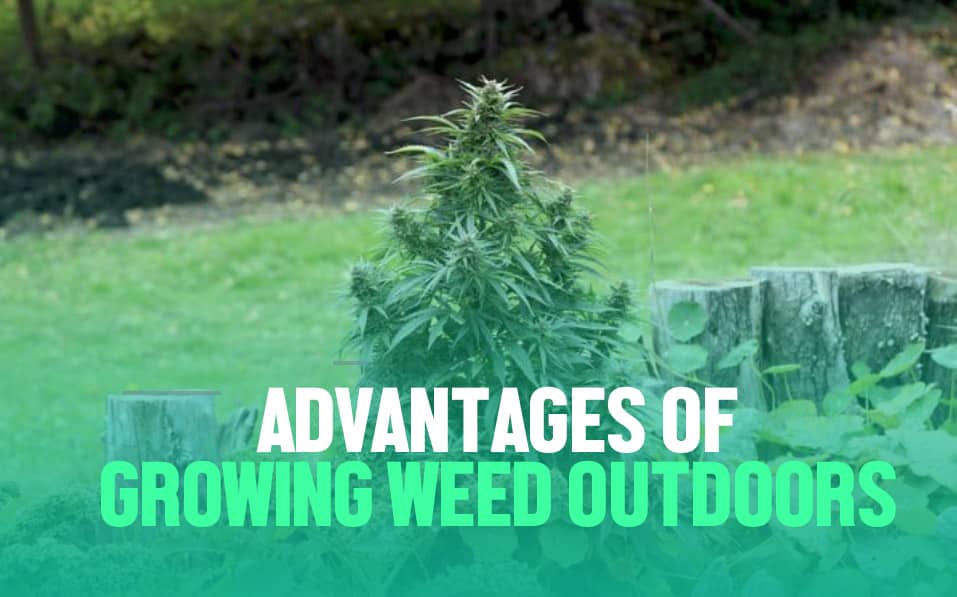
I’ve been growing for years, mostly outdoors, and I learned very quickly that no setup teaches you more than open air. You can read guides, tweak nutrients, and optimize schedules, but nothing replaces watching how plants actually behave when they’re exposed to real weather, real soil, and a sun that doesn’t turn off on a timer.
Outdoor growing forces you to pay attention. You stop micromanaging and start responding. Some days the plants take off on their own. Other days, you adjust, wait, or simply leave them alone. That shift alone changes how you approach cultivation.
Indoor grows can be impressive and highly controlled. I won’t deny that. But outdoors offers something else entirely: space, strength, and momentum. Cannabis cultivation gives big plants outdoors, not because of tricks or equipment, but because roots aren’t cramped and light isn’t rationed.
You see it in the structure. Thicker stems. Wider branching. A different kind of resilience that develops when a plant has to deal with wind, temperature swings, and uneven conditions instead of perfect stability.
Best Timing for Outdoor Cultivation
Outdoor growing is seasonal, whether you like it or not. In most of Europe and the US, planting starts around May, once the ground warms and frost is no longer a risk. From there, the plant spends the entire summer building mass before flowering naturally as days shorten.
That long vegetative phase is exactly why outdoor plants grow so large. They’re not rushed. By the time flowering starts in late summer, the structure is already there. Most harvests land somewhere between October and early November, depending on genetics and climate.
You can’t speed this up without working against the process, and I’ve learned that fighting the calendar usually backfires.
Choosing Seeds That Actually Work Where You Live
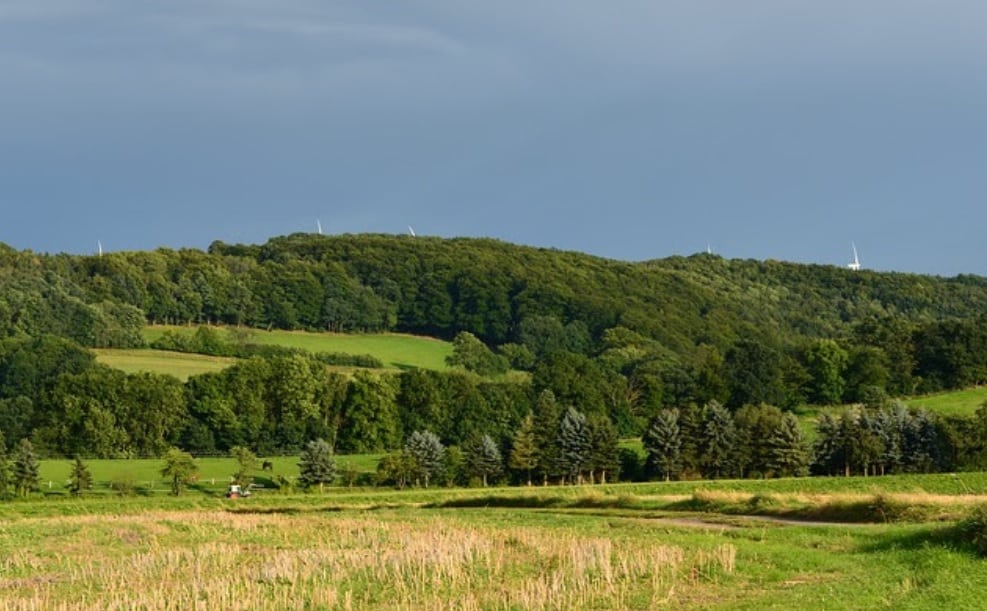
This is where a lot of people go wrong. It’s tempting to choose based on hype or photos, but climate always wins. Short summers, long summers, humidity, heat — all of it matters more than most descriptions admit.
Once you understand what performs well in your area, you can confidently buy marijuana seeds that fit those conditions instead of trying to force something unsuitable to finish on time. Good seed banks make this easier by being upfront about flowering length and resistance.
When genetics and environment line up, everything else becomes simpler.
Soil vs Containers: Two Very Different Experiences
I’ve grown directly in the ground and in containers, and they don’t feel the same. Natural soil has its own system already in place. Microbes, fungi, bacteria. all of it working quietly below the surface. Plants rooted there tend to regulate themselves better over time.
Coconut fiber is popular for a reason. It’s clean, predictable, and works well with added nutrients. But it’s also inert. You’re responsible for everything the plant receives, which can be a benefit or a burden, depending on how hands-on you want to be.
Ground-grown plants usually end up sturdier. Containers offer flexibility. Neither is wrong, but the results, and the work involved, are noticeably different.
Feeding Your Plants (Without Overthinking)
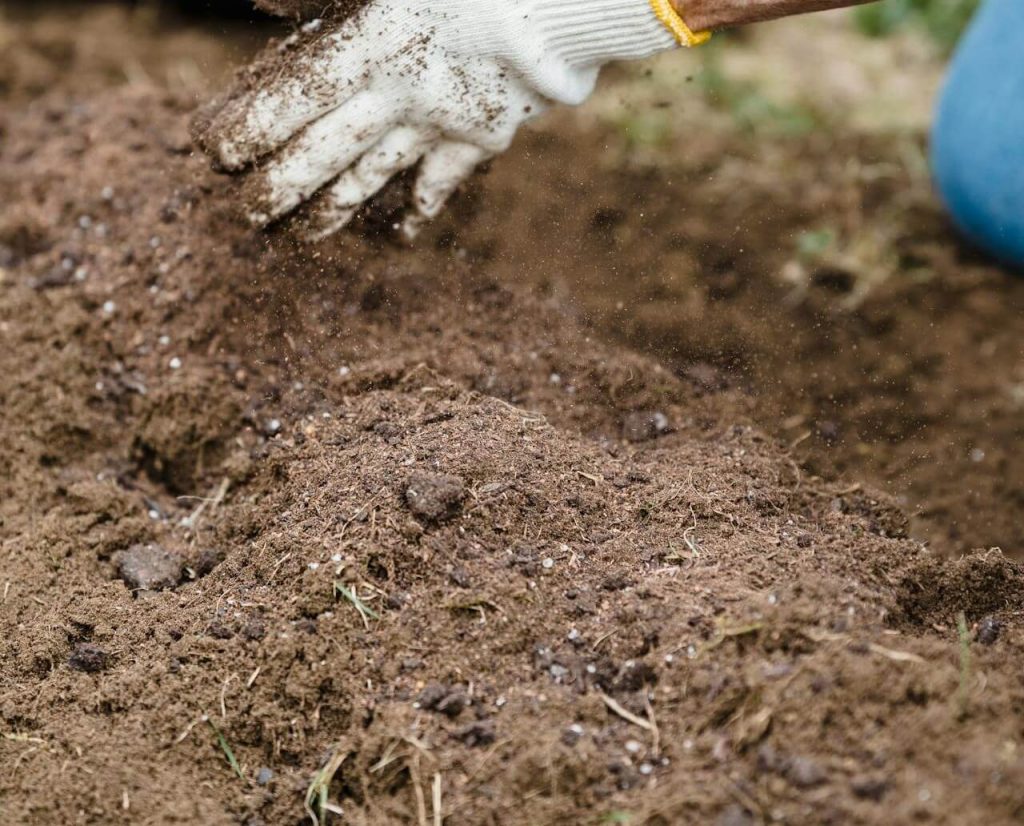
Outdoors, I lean simpler. Compost teas, organic amendments, and letting soil life do part of the job. Overfeeding shows up quickly outside, and there’s less room to hide mistakes behind controlled environments.
Compost does more than feed the plant. It supports the entire system around it. Over time, that balance becomes visible in growth consistency and overall health.
Practical Advice From the Garden
Most of what matters isn’t complicated:
- Learn your watering rhythm instead of following charts
- Watch for pests early
- Don’t over-prune out of impatience
Some pruning improves airflow. Too much weakens the plant. Experience teaches you the difference faster than any guide.
Outdoor growing rewards observation. The more time you spend watching instead of adjusting, the clearer things become.
For me, growing outdoors stopped being about maximizing output and became about working with conditions instead of trying to dominate them. When you let plants do what they’re built to do, the results speak for themselves.