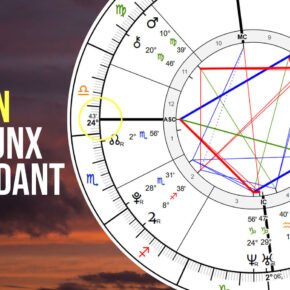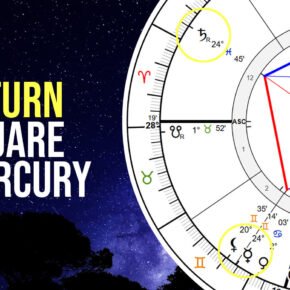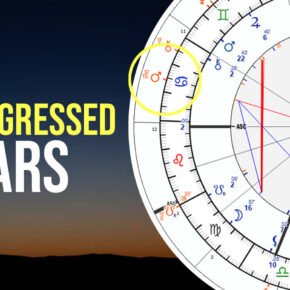



Chiron square Ascendant in astrology is associated with insecurities about appearance, rejection, self-image, and the way other people perceive you. Chiron represents emotional wounds, painful experiences, and the process of healing, while the Ascendant governs physical appearance, identity, first impressions, and how you present yourself to others.
The square creates tension between your personal insecurities and the image you present to the world. Its meaning changes depending on whether it occurs in your natal chart, through a transit, between two people’s charts, or through secondary progressions.
Natal: Insecurities and Self-Image
In a natal chart, Chiron square Ascendant points to deep insecurities about physical appearance, personal identity, and how others perceive you. Childhood criticism, bullying, or rejection can leave lasting insecurities about your looks, personality, or the impression you make on other people.
You might avoid photographs because you dislike your smile, spend hours choosing clothes before meeting someone new, or remember an embarrassing comment from school twenty years later. Even compliments may be difficult to accept after years of criticism about your appearance.
You may try to compensate by putting enormous effort into looking attractive, achieving success, or pleasing everyone around you. Or you might avoid photographs, social gatherings, and situations where people could judge you.
Chiron’s house placement reveals where these insecurities originated or become most noticeable. In the 4th house, criticism from parents or painful childhood experiences may play a significant role. In the 10th house, public embarrassment, professional rejection, or concerns about reputation can affect your confidence.
Having experienced rejection yourself, you may also become particularly sensitive to other people’s insecurities. You know how long a careless comment about someone’s appearance can stay with them.
Transit: Old Wounds Resurface
Transiting Chiron square natal Ascendant can reopen insecurities about your appearance, identity, and how other people see you. Someone might make a comment about your weight, skin, or age that reminds you of being bullied at school. Even years after those experiences, the same insecurities can return.
You might suddenly dislike photographs of yourself, become self-conscious around a new romantic partner, or start comparing your appearance to other people’s. A breakup or rejection can also affect your confidence, especially if you’ve struggled with self-esteem since childhood.
The Ascendant also represents the physical body, so health concerns, changes in appearance, or recovering from an illness may become more significant. For example, someone dealing with hair loss, acne, or a visible scar might struggle with being seen in public.
Chiron moves slowly and can square your Ascendant several times through retrograde motion. The same insecurity may resurface through different experiences over several months, particularly if Chiron is also aspecting your natal Sun, Moon, or Venus.

Synastry: Attraction and Rejection
Chiron square Ascendant in synastry can trigger insecurities about physical appearance, attraction, and personal identity. The Ascendant person may become unusually self-conscious around Chiron, especially if they have experienced criticism or rejection in the past.
For example, the Chiron person might jokingly comment on their partner’s teeth, weight, or clothing without realizing how painful those subjects are. The Ascendant person may remember the remark for years, even if Chiron meant it as a harmless joke.
The Chiron person has their own insecurities, too. Something about the Ascendant person’s appearance, personality, or behavior may remind them of someone who rejected or humiliated them. They might become defensive around their partner without fully understanding why.
Physical attraction can become complicated if one partner constantly seeks reassurance about their looks or interprets innocent remarks as criticism. In a romantic relationship, Chiron may unintentionally make the Ascendant person more conscious of the very features they already dislike about themselves.
Progressions: Changing How You See Yourself
In secondary progressions, Chiron square Ascendant is associated with a gradual change in how you see yourself and how comfortable you are presenting yourself to others.
For example, someone who spent years trying to meet their family’s expectations might begin questioning their appearance, career choices, or the personality they’ve developed to gain approval. They may change their personal style, become more private, or decide to distance themselves from people who constantly criticize them.
A progressed Ascendant squaring natal Chiron can also correspond with circumstances that revive old insecurities. You might enter a new social environment, become more publicly visible, or meet someone whose behavior reminds you of an earlier rejection.
Chiron moves very slowly by secondary progression, so an exact square involving progressed Chiron may last for many years. A progressed Ascendant square to natal Chiron generally develops more quickly, depending on the chart and progression method.
The natal houses and signs help identify the experiences involved. A square connected with the 1st and 10th houses may emphasize public image and career, while a connection with the 4th house can involve family expectations and childhood experiences.
More Chiron Aspects
- Chiron Square Sun: Wounded Confidence and Self-Worth
- Chiron Conjunct Ascendant: When the Wound Becomes Visible
- Chiron in the 8th House: Fear of Trust and Vulnerability
- Chiron Opposite Chiron Synastry: When Pain Becomes Healing
- Chiron in the 12th House: Hidden Wounds, Solitude, and Healing