

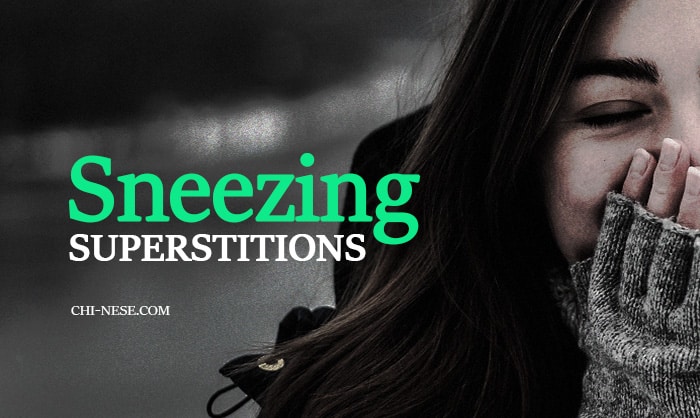
“Bless you.” “Gesundheit.” “Salud.” “Na zdraví.” Few everyday actions trigger an immediate response from strangers quite like sneezing. Someone can cough, yawn, or clear their throat without anyone reacting, yet a sneeze almost demands acknowledgment.
That instinct has surprisingly deep roots. Long before medicine explained sneezing as a natural reflex, people across Europe, Africa, Asia, and the Pacific developed elaborate beliefs about what a sneeze meant. Some saw it as a moment when the soul became vulnerable. Others believed it revealed the truth, predicted good fortune, or warned of trouble ahead.
Modern medicine explains sneezing as a simple reflex, but folklore tells a far more colorful story.
Why Sneezing Was Once Considered Dangerous
For much of history, sneezing was not viewed as a harmless bodily reflex. In many traditions, it was treated as a moment when something important happened beyond the physical body.
In parts of Germany, folklore held that a person’s soul briefly left the body during a sneeze. That brief absence was believed to leave the individual exposed to harmful spirits or bad influences. Saying “Gesundheit,” which translates to “health,” was more than a polite response. It was a form of protection.
Similar ideas existed elsewhere in Europe. During the Middle Ages, many people believed a blessing could help safeguard a person immediately after sneezing. What survives today as a social custom once carried genuine spiritual significance.
The Blessings That Followed a Sneeze
Cultures developed different ways of responding to sneezes, but the purpose was often remarkably similar: offering protection, health, or good fortune.
In England, people commonly said “Bless you” after a sneeze. In some communities, the response was accompanied by removing a hat or making a small gesture of respect.
In parts of Africa, phrases roughly equivalent to “Far from you!” were spoken while making motions intended to push away misfortune. Other communities used expressions meaning “Save you!” or “Protect you!”
In Samoa, the traditional response translates to “Life to you,” directly connecting a sneeze with vitality and well-being.
The words differed, but many cultures treated sneezing as a moment worthy of acknowledgment rather than something to ignore.
The First Sneeze That Made a Baby Human Again

Some of the most unusual sneezing superstitions involved newborn children.
In Scottish folklore, a baby was believed to remain under fairy influence until it sneezed for the first time. That first sneeze marked a symbolic transition into the human world and signaled that supernatural forces no longer held power over the child.
The belief was taken seriously enough that some midwives reportedly carried snuff to encourage sneezing if it did not happen naturally.
Not every tradition viewed infant sneezing positively, however. In some communities, a baby sneezing during a baptism could be interpreted as a troubling sign, suggesting unrest or unwanted spiritual interference.
When a Sneeze Was Taken as Proof
In the Czech Republic, a sneeze was often treated as confirmation that someone had just spoken the truth. According to a long-standing folk belief, if someone sneezed immediately after a statement was made, it confirmed the statement’s accuracy. The reaction was seen as involuntary and therefore incapable of deception. People would sometimes respond with “Je to pravda,” meaning “It’s true.”
Why Sailors Paid Attention to Which Side the Sneeze Came From
For sailors facing long and dangerous voyages, almost anything could become an omen.
One maritime superstition held that sneezing on the starboard side of a ship before departure foretold a safe and successful journey. Sneezing on the port side suggested rough weather, delays, or other difficulties.
Because sea travel carried enormous risks, sailors often looked for signs that might provide clues about what lay ahead. A single sneeze could become part of that effort to interpret an uncertain future.
The Strange Things a Sneeze Was Supposed to Predict
Many traditional beliefs connected sneezing with everyday luck and future events. Among the superstitions recorded in various regions:
- Sneezing near a grave was believed to bring misfortune.
- Sneezing before breakfast could mean a gift was on its way.
- Sneezing before getting out of bed on a Sunday was said to predict a wedding.
- Sneezing three times in a row was often considered lucky.
- A sick person’s sneeze could be interpreted as a sign of recovery.
- Sneezing during a wedding ceremony was sometimes viewed as an unfavorable omen.
These beliefs varied widely from place to place, but they shared a common theme: a sneeze was rarely considered meaningless.
Cats, Rain, and Household Fortune
Even animals became part of sneezing folklore.
In some traditions, a cat sneezing three times suggested that members of the household would soon catch a cold. Elsewhere, a sneezing cat was thought to predict rain.
Like many animal-related omens, these beliefs likely developed from people’s attempts to find patterns in everyday life and connect natural events with future outcomes.

Counting Sneezes to Predict the Future
One of the more playful sneezing traditions involved counting sneezes and assigning meaning to each one.
An old rhyme claimed:
One for a kiss, two for a wish,
Three for a letter, four for a better,
Five for silver, six for gold,
Seven for a secret never to be told.
This superstition turned sneezing into a form of fortune-telling. The next sneeze might reveal anything from romance to wealth.
Why Do We Still Say “Bless You”?
Most sneezing superstitions have disappeared, yet one part remains surprisingly stubborn. People still say “bless you” without thinking about it. The phrase survives even among those who have never heard the old stories about wandering souls, evil spirits, or supernatural omens.
That’s what makes sneezing folklore so unusual. Many superstitions vanished completely, but this one left behind a habit that continues to pass from one generation to the next.
The next time someone sneezes and a blessing slips out automatically, you’re participating in a tradition that stretches back centuries, to a time when a sneeze seemed far more mysterious than it does today.
More Superstitions to Explore
- 13 Physical Signs and Superstitions That Someone Is Thinking of You
- 10 Superstitions About Money That Still Circulate Today
- 8 Fascinating Laundry Superstitions From Around the World
- Fireworks Superstitions: Luck, Spirits, and New Beginnings
- Moths and Spirituality: Meaning, Symbolism, and Superstitions