

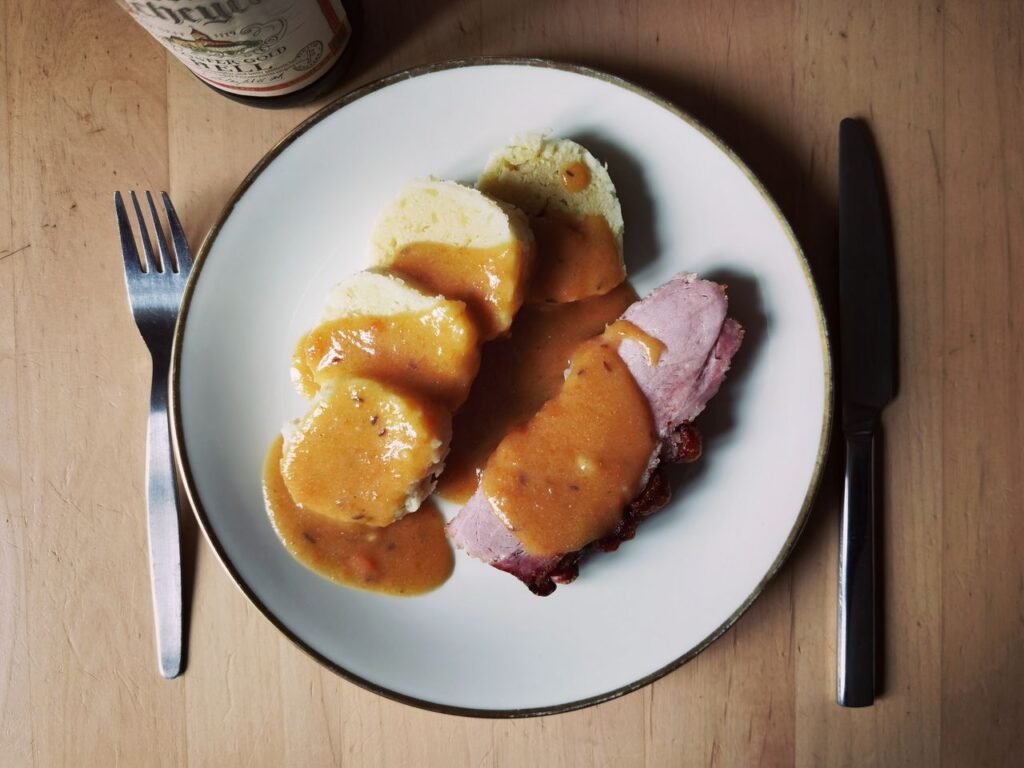
Czech food has a reputation for being heavy, bland, and unhealthy, especially among foreigners whose first experience with our cuisine involves a giant plate of dumplings covered in thick sauce.
As someone born and raised in the Czech Republic, I’ve always found this reputation a little unfair. I grew up eating Czech food, and our family meals included much more than roast pork, fried cheese, and creamy sauces.
Of course, Czech cuisine has its weaknesses. Some traditional dishes are incredibly filling, vegetables can be an afterthought in older recipes, and a badly prepared plate of dumplings can be disappointing. But there’s much more to Czech cooking than the meals tourists usually encounter in Prague.
1. Czech Food Is Too Heavy
Traditional Czech dishes often include meat, dumplings, and rich sauces. If you look up Czech cuisine online, you’ll probably see svíčková, pork with dumplings and sauerkraut, goulash, and fried cheese. These are popular dishes, but they represent only part of what Czechs eat.
Growing up, we had plenty of ordinary meals involving potatoes, rice, chicken, vegetables, and homemade soups. A large Sunday lunch might include roast meat and dumplings, but Tuesday’s dinner could be something much simpler.
Traditional Czech restaurants often emphasize the richest dishes because those are the meals visitors want to try. Eating exclusively at these restaurants can give you a misleading impression of our everyday diet.
2. Czech Food Is Bland Because It Isn’t Spicy
Czech cooking uses relatively little chili, especially compared with Mexican, Indian, or Thai cuisine. But our traditional recipes have their own characteristic seasonings.
Caraway seeds are essential in many dishes, including roasted pork, cabbage, and bread. Marjoram gives potato soup and bramboráky (potato pancakes) their familiar aroma. Garlic is used generously in soups, sauces, and meat dishes.
Other common ingredients include onions, parsley, black pepper, paprika, and dill.
A good koprová omáčka, our traditional dill sauce, has a distinctive sweet-and-sour taste. Similarly, česnečka, a garlic soup often served with potatoes and croutons, can have a surprisingly strong flavor.
If you’re accustomed to chili-heavy food, Czech dishes may seem mild. Their flavors come from herbs, roasting, slow cooking, and combinations of savory, sweet, and sour ingredients.
3. Czech Food Is Unhealthy
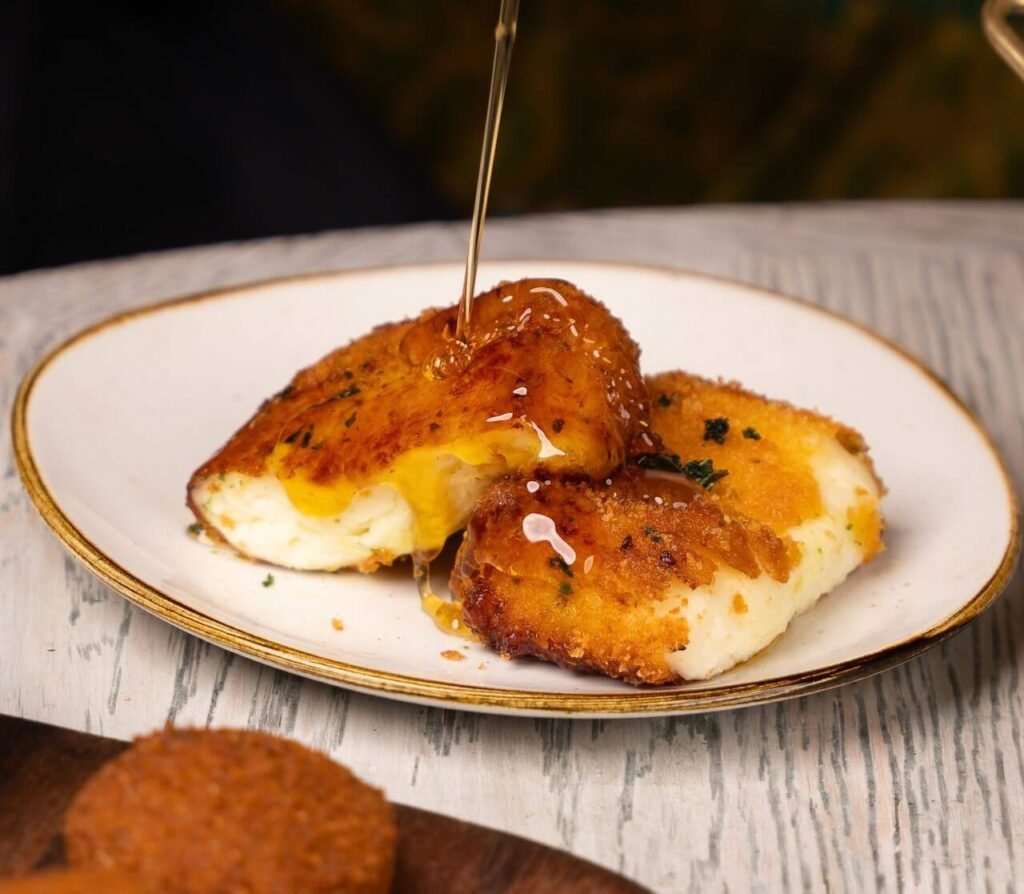
Some Czech dishes are high in calories, particularly those involving fried meat, cream, or generous portions of dumplings. Eating them every day could make maintaining a balanced diet more difficult. But Czech cuisine also includes plenty of vegetables, legumes, potatoes, and homemade broths.
Lentil soup, vegetable soup, boiled potatoes, sauerkraut, and dishes made with seasonal produce have long been part of Czech home cooking.
The way a meal is prepared makes a difference, too. A homemade chicken dish with potatoes and vegetables has a different nutritional profile from a large portion of fried cheese with French fries and tartar sauce.
Like many national cuisines, Czech food offers both indulgent comfort dishes and simpler everyday options.
4. Czechs Never Eat Fish
We’re a landlocked country, but fish has been part of Czech food culture for centuries. The most famous example is Christmas carp, traditionally served fried with potato salad on Christmas Eve. Families often buy fresh carp shortly before Christmas, and fish sellers set up temporary stalls in towns across the country.
I’ll admit that carp is an acquired taste, especially because of its small bones. Some families prefer schnitzel for Christmas dinner.
Trout, pike, and other freshwater fish are also eaten in Czechia, particularly in regions with a long tradition of fish farming and recreational fishing.
South Bohemia is especially famous for its ponds and carp production.
5. Czech Cuisine Is All About Meat and Dumplings
Meat and dumplings are certainly important, but there are plenty of traditional Czech dishes worth trying beyond them.
One of my favorites is bramboráky, crispy potato pancakes made with garlic and marjoram. Then there’s kulajda, a creamy soup with mushrooms, potatoes, dill, and often a poached egg.
Other examples include čočka na kyselo (sweet-and-sour lentils), ovocné knedlíky (fruit-filled dumplings), and buchty, soft baked buns filled with jam, poppy seeds, or sweetened quark.
Czech cuisine also has a strong tradition of baking, from Christmas cookies to fruit cakes and pastries.
If you’ve only tried goulash and pork with dumplings, you’ve missed some of our best food.
6. Czech Soups Are Just Starters
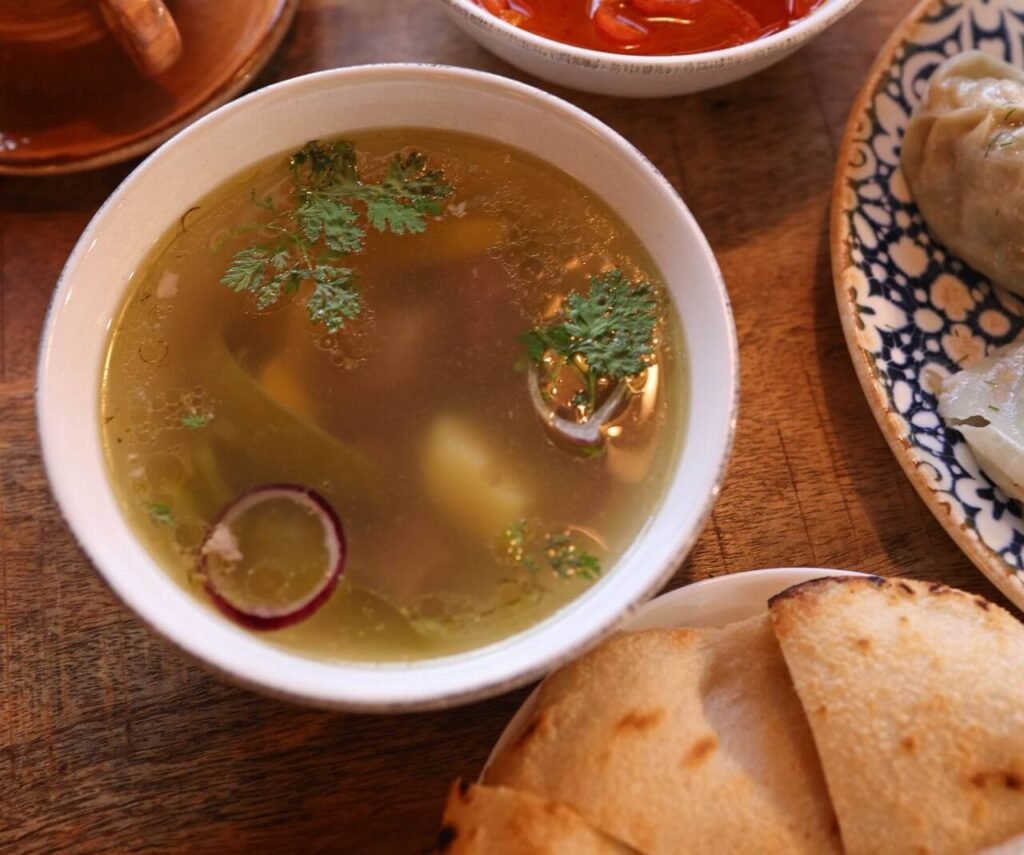
Soup has a special place in Czech households. Many families traditionally serve it before the main course, but a substantial bowl can also make a satisfying lunch or dinner.
Popular examples include bramboračka (potato and mushroom soup), česnečka (garlic soup), lentil soup, and beef broth with noodles.
Garlic soup is particularly famous as a traditional hangover remedy. Whether it actually helps is another question, but plenty of Czechs swear by a hot bowl after a night of drinking.
And if you grew up with Czech grandparents, you’ve probably heard that homemade broth is the answer to almost every illness.
7. Czech Restaurants Serve Terrible Food
Tourist restaurants can be hit or miss, especially in central Prague. Some serve oversized portions of traditional dishes at inflated prices, knowing that many visitors will never return.
A disappointing meal in one of these restaurants can easily shape someone’s opinion of the entire cuisine.
For a more representative experience, try a neighborhood hospoda, a traditional restaurant outside the busiest tourist streets, or a place offering a daily lunch menu known as polední menu.
You might find homemade soup, roast meat with potatoes, or a seasonal Czech dish at a much more reasonable price.
Is Czech Food Worth Trying?
Absolutely. Czech cuisine has delicious dishes, disappointing dishes, and plenty of recipes that depend heavily on the person cooking them.
I’d recommend starting with a good svíčková, crispy bramboráky, homemade kulajda, or fruit-filled dumplings. Each offers something different from the stereotypical plate of meat and cabbage.
And if you visit Czechia, try eating where locals eat. A small family-run restaurant or a homemade meal can introduce you to a side of Czech cuisine that many tourists never experience.
More About Czech Culture
- Patience Brings Roses: The Meaning of This Czech Proverb
- 7 Beautiful Czech Words That Have No Exact English Translation
- 15 Mistakes Tourists Make in the Czech Republic (and How To Avoid Them)
- The Czech Origin of the Word Robot: From Forced Labor to Modern Technology
- What Does “Škoda” Mean? The Funny Czech Meaning Behind the Car Brand