


Golf is often described as a physical game, but anyone who has spent time on a course knows that its real challenge is frequently mental. A technically sound swing can fall apart when frustration takes over, while a calm and focused player can often recover from mistakes that would unsettle someone else.
That is why golf practice can be more than a way to improve distance, accuracy or consistency. It can also become a form of moving meditation, a quiet ritual that encourages patience, self-awareness and emotional control.
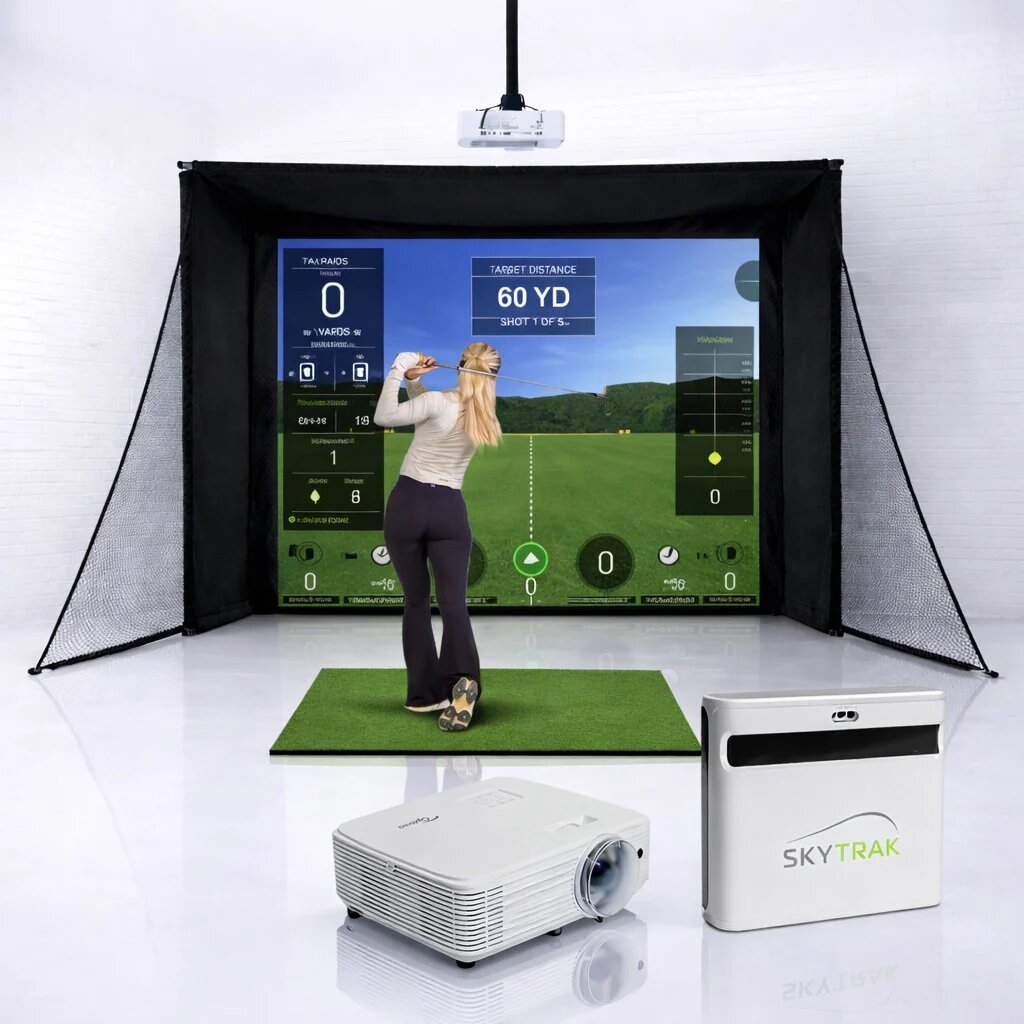
For golfers who want to practise regularly without depending on weather, daylight or travel, home golf simulators can create a private environment where technical improvement and mental calm develop together. With the right approach, an indoor golf space can become more than a training room. It can become a place to reset, focus and reconnect with a slower rhythm.
Repetition as a Form of Grounding
Many calming practices are built around repetition. Breathing exercises, walking meditations, mantras and rhythmic movement all use repeated actions to quiet mental noise.
Golf practice can work in a similar way.
The process of placing the ball, settling into the stance, taking a breath and beginning the swing creates a natural sequence. When repeated with intention, this routine can help the mind move away from everyday distractions and into the present moment.
The goal is not to hit hundreds of balls as quickly as possible. In fact, rushed practice often leads to tension, careless movement and frustration. A more mindful session gives each shot its own space.
Before swinging, the player can notice the position of the feet, the pressure in the hands and the pace of the breath. After the shot, they can observe the result without immediately judging it as good or bad.
This style of practice encourages awareness rather than reaction.
Creating a Calm Indoor Environment
The atmosphere of a practice space has a significant influence on how it feels to use. A cluttered, harshly lit or poorly organised room can make a session feel rushed and uncomfortable. A well-planned room can have the opposite effect.
Soft lighting, clean flooring and an uncluttered hitting area help create a sense of order. Neutral colours can make the room feel calmer, while warm lighting outside the projected image area can reduce the feeling of being in a purely technical space.
Some golfers may also choose to include natural textures, indoor plants or simple decorative elements that help the room feel more personal. The aim is not to turn the space into a themed meditation studio, but to create an environment where concentration feels easy.
Sound matters as well. A quiet room can be ideal for focused practice, while low-volume instrumental music may help some players settle into a consistent rhythm. The best environment is the one that encourages the golfer to slow down rather than rush through the session.
The Screen as a Point of Focus
In an indoor setup, the screen becomes the visual centre of the room. It displays the course, target or practice range, but it also gives the player a clear point on which to focus.
Purpose-built golf impact screens are designed to handle repeated shots while providing a suitable projection surface. Beyond their practical role, they can help create a more immersive practice experience by removing outside visual distractions.
When the room is properly enclosed and the image is clear, the player’s attention is drawn toward the target. This can make it easier to practise concentration and visualisation.
Before each shot, a golfer might picture the intended ball flight, choose a precise target and imagine the swing required to produce it. This brief mental rehearsal can support both technical consistency and emotional control.
The screen also provides immediate feedback. Instead of guessing what happened, the player can observe the virtual shot and respond thoughtfully. Over time, this can encourage a healthier relationship with mistakes.
Learning to Observe Without Judgement
One of the most useful mental skills in golf is the ability to observe a poor shot without allowing it to affect the next one.
This sounds simple, but it is one of the hardest habits to develop. Golfers often attach emotion to each result. A slice creates irritation, a mishit creates embarrassment and a good shot creates excitement that can lead to unrealistic expectations.
Mindful practice offers a different approach.
Rather than saying, “That was terrible,” the golfer can identify what actually occurred. Perhaps the strike was low on the face, the club path moved too far across the ball or the tempo became too quick.
This turns criticism into information.
A launch monitor and simulator can support this process by providing measurable feedback. Ball speed, launch direction, carry distance and spin can help the golfer understand the shot without relying entirely on emotion.
The numbers do not need to become another source of pressure. They are simply observations. Used calmly, they help replace frustration with curiosity.
Developing a Pre-Shot Ritual
Rituals create consistency. In golf, a pre-shot routine can act as a bridge between thought and action.
A simple routine might include choosing the target, visualising the shot, taking one rehearsal movement, breathing out and stepping into the stance. Repeating this process before every ball can help reduce tension and prevent overthinking.
The routine should be brief enough to feel natural but consistent enough to create familiarity. Over time, it can become a mental signal that tells the body it is ready to swing.
Indoor practice is an ideal place to develop this habit because the environment is controlled. There are no groups waiting behind, sudden weather changes or difficult lies. The golfer can repeat the same sequence until it feels automatic.
Once established, the routine can be carried onto the course, where it becomes especially useful during stressful moments.
Using Practice to Manage Frustration

Golf has a way of revealing impatience. The ball does not always respond as expected, even when the swing feels correct.
A calm practice session provides an opportunity to notice frustration as it appears. Tight shoulders, faster breathing, stronger grip pressure and rushed preparation are all signs that emotion is beginning to influence technique.
Instead of continuing to hit balls, the golfer can pause.
One slow breath, a step away from the hitting area and a short reset may be enough to break the cycle. This small habit can be surprisingly powerful. It teaches the player that they do not have to carry the emotion of one shot into the next.
The same lesson can extend beyond golf. The ability to pause before reacting is useful in work, relationships and everyday decision-making.
A Personal Practice Rather Than a Performance
A private simulator space allows golfers to practise without feeling watched. There is no need to compare swings with the person in the next bay or worry about how a poor shot looks.
This can make practice feel more honest.
The player can spend time on weaknesses, repeat difficult shots and experiment with new movements without embarrassment. They can also choose the pace of the session and stop when concentration begins to fade.
Not every session needs to produce a breakthrough. Some may simply help maintain rhythm, release tension or provide a quiet break from a busy day.
When practice is viewed this way, improvement becomes less about forcing results and more about building a consistent relationship with the game.
Conclusion
Indoor golf practice can offer more than technical feedback. It can become a calm, repetitive ritual that encourages focus, patience and emotional awareness.
By creating a comfortable space, slowing down the pace of each session and treating mistakes as information, golfers can work on both the swing and the mind behind it.
The most valuable change may not always appear in club speed or carry distance. Sometimes it is the ability to breathe, reset and approach the next shot with a clear mind.