



In May 2007, Czech police rescued an eight-year-old boy who had been tied up and locked inside a house in Kuřim, a town near Brno. The investigation exposed months of child abuse and led to an extraordinary revelation: a 33-year-old woman named Barbora Skrlová had been living with the family, pretending to be a little girl called Anička.
I’m from the Czech Republic, and I remember how completely this case took over the news. For months, the newspapers and evening broadcasts followed every development. Just as people were trying to understand what had happened to the children, another detail emerged about Skrlová and her false identities. Even today, the names Anička and Barbora Skrlová are familiar to many Czechs who followed the case in 2007.
Key Facts About the Kuřim Case
- Barbora Skrlová posed as a young girl named Anička and later as a 13-year-old boy named Adam.
- She was convicted for her involvement in the abuse of Ondřej Mauer, whom she had pretended was her younger brother.
- She received a five-year prison sentence and was released in November 2011.
- Her current name and whereabouts have remained outside verified public reporting.
The Baby Monitor That Exposed the Abuse
On May 7, 2007, a man named Eduard was checking a baby monitor in Kuřim. Instead of seeing his own child, he picked up a video signal from a nearby house. The screen showed a young boy lying naked on a concrete floor, with his hands and feet restrained.
Eduard contacted the police, who traced the images to the home of Klára Mauerová. The boy was her eight-year-old son, Ondřej.
Firefighters arrived to open the locked room where he was being held. According to accounts of the rescue, Ondřej was found on the floor with his hands bound behind his back and his legs restrained. He had been deprived of proper food and access to a toilet.
Klára initially tried to prevent the authorities from entering. She claimed that her daughter Anička was the child inside, but the sounds coming from the locked room raised further concerns. Klára and her sister Kateřina attempted to stop the firefighters from opening the door.
The rescue exposed what had been happening inside the house, but investigators were only beginning to uncover the extent of the abuse.
What Happened to Ondřej and Jakub?
The investigation revealed that Ondřej and his brother Jakub had suffered serious physical and psychological abuse.
Court proceedings described beatings, confinement, humiliation, and other forms of cruelty. Ondřej had been kept in a cage, restrained, burned with cigarettes, and subjected to repeated violence. His treatment involved several adults, among them his mother and aunt.
People who knew the family later described troubling behavior they had witnessed before the police intervention. Yet the full extent of the abuse became known only after the children were removed from the house.
On May 10, Ondřej, Jakub, and the girl known as Anička were placed in a children’s home. Klára was taken into custody the following day.
That same evening, Anička disappeared from the children’s home. Her disappearance brought a completely new question into the investigation: who was this girl, and why had she run away?
Who Was Anička Really?
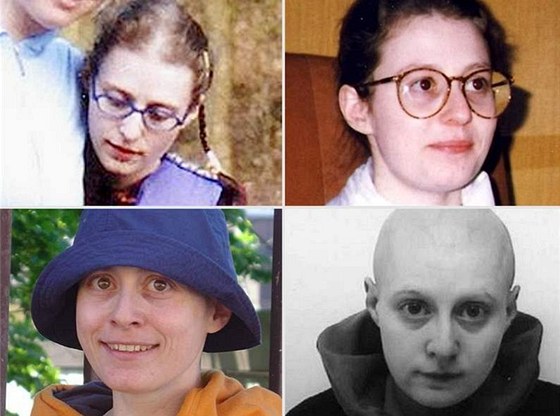
Initially, Anička was presented as Klára Mauerová’s daughter. She looked young enough to pass for a child, and people around the family had accepted her identity.
As police searched for her, questions arose about her actual age. A family acquaintance eventually identified her as Barbora Skrlová, a 33-year-old woman.
Skrlová had been living with the Mauer family under the name Anička, presenting herself as a child and taking on the role of Ondřej and Jakub’s sister. Her involvement in the household became a major part of the criminal investigation.
After leaving the children’s home, she traveled abroad. She later contacted the Czech embassy in Denmark and acknowledged that she had been posing as Anička, but disappeared again before authorities could bring her back.
In January 2008, police located her in Norway. This time, she was living under another false identity: Adam, a 13-year-old boy.
The Norwegian discovery brought Skrlová back into the headlines. For months, Czech audiences had been following the search for a missing girl, only to learn that the same adult woman had managed to pass herself off as a boy in another country.
The Trial and Prison Sentences
Skrlová was extradited to the Czech Republic in early 2008. During the investigation, she presented herself as someone who had also suffered abuse in the Mauer household.
Investigators and prosecutors, however, concluded that she had participated in the crimes against the boys.
The trial began in Brno in June 2008. The court heard evidence about the treatment of Ondřej and Jakub, the roles of the adults involved, and Skrlová’s unusual position within the family.
In October 2008, the court handed down prison sentences to several defendants. The three women most closely associated with the case received the following terms:
- Klára Mauerová: nine years in prison.
- Kateřina Mauerová: ten years in prison.
- Barbora Skrlová: five years in prison.
The proceedings established that the boys had suffered prolonged abuse at the hands of adults who were supposed to care for them.
Where Is Barbora Skrlová Today?
Barbora Skrlová was released from prison in November 2011. Reports published after her release indicated that she had changed her name and withdrawn from public life.
Her current residence has not been reliably established in public reporting. There have been claims that she settled somewhere in the Czech Republic or another European country, but these accounts remain unconfirmed.
Since her release, she has largely stayed away from the media. Her whereabouts and the name she uses today remain private.
Why the Kuřim Case Is Still Remembered
The abuse of Ondřej and Jakub was already a serious criminal case. Skrlová’s involvement made the investigation even more difficult for the public to comprehend. A woman in her thirties had been accepted into a family as a young girl, disappeared from a children’s home, and later lived in Norway as a teenage boy.
I remember seeing updates about the case on Czech television throughout 2007 and 2008. People discussed the arrests, the missing girl, and the discovery in Norway because each development raised more questions about how the abuse had continued for so long.
Nearly two decades later, the Kuřim case remains part of Czech criminal history. Behind the extraordinary details of Skrlová’s disguises were two boys who suffered prolonged cruelty inside their own home. Their treatment, and the failure to protect them sooner, is the most important part of this story.