

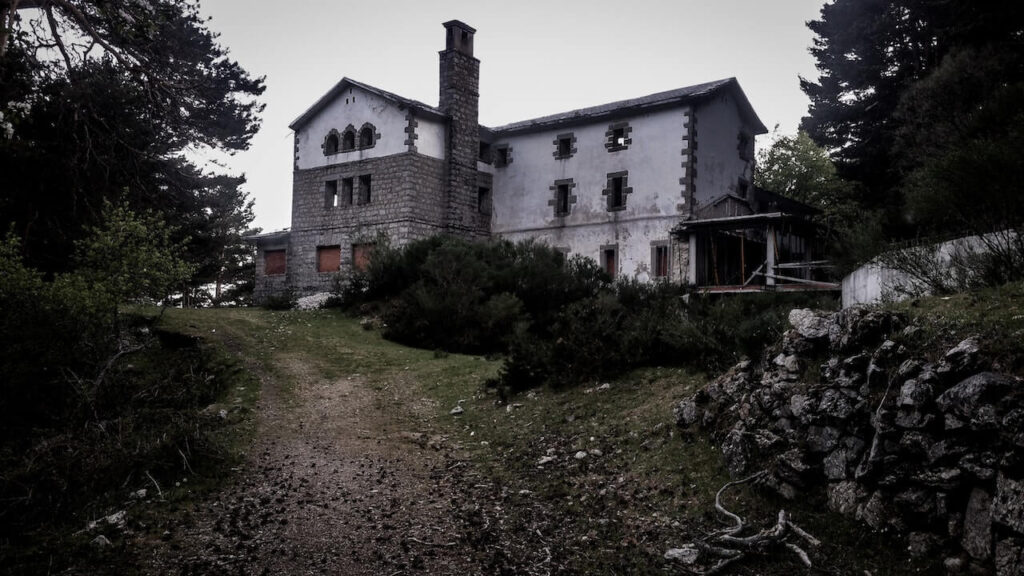
In Feng Shui, buying a house where someone died is not automatically bad luck, but the circumstances of the death, the condition of the property, and what remains from the previous occupants can influence how the home is viewed.
A peaceful death from old age is traditionally regarded very differently from a violent or traumatic death. Feng Shui also pays attention to whether the house has remained empty, neglected, dark, or filled with belongings from the person who died.
If you are considering such a property, the death itself is only one part of what you should look at.
How the Circumstances of the Death Affect the Home
A natural death at home is generally viewed very differently from a violent or traumatic one. Someone reaching old age and dying peacefully leaves a different energetic association than a murder, suicide, accident, or other sudden death.
In Feng Shui, violent and traumatic deaths are associated with heavier yin energy and a stronger disturbance of chi. A recent death may receive more attention as well, especially when the room remains untouched and the deceased person’s belongings are still inside.
A house with this history may need a thorough cleaning, removal of personal belongings, fresh air and sunlight, repairs, repainting, and rearrangement before new occupants move in. Following a violent death, some people also perform a spiritual cleansing or have the home blessed before living there.
Find Out What Happened
If you know that someone died in the house, learn whatever information is legally available before buying.
Was it a natural death? Was the person elderly or seriously ill? Did the death happen recently? Was there violence involved? Did the house remain empty afterward?
The answers may influence your decision, particularly if you already know that living in a house associated with a traumatic death would bother you.
Feng Shui cannot make you forget the property’s history. If you would think about the death every time you entered the room where it happened, that association would become part of your experience of the house regardless of any cleansing ritual.
Pay Attention to the Room Where the Death Occurred
The room itself deserves closer attention, especially when the death happened recently.
If possible, avoid simply moving your own bed or furniture into exactly the same arrangement. Clean the room thoroughly, open the windows, repaint it, and change its layout before using it.
Replacing old mattresses, bedding, curtains, and other highly personal items also creates a clearer separation between the former occupant’s life and yours.
For a traumatic death, some people choose to give the room an entirely different purpose instead of immediately using it as a bedroom.
Remove Belongings Left Behind
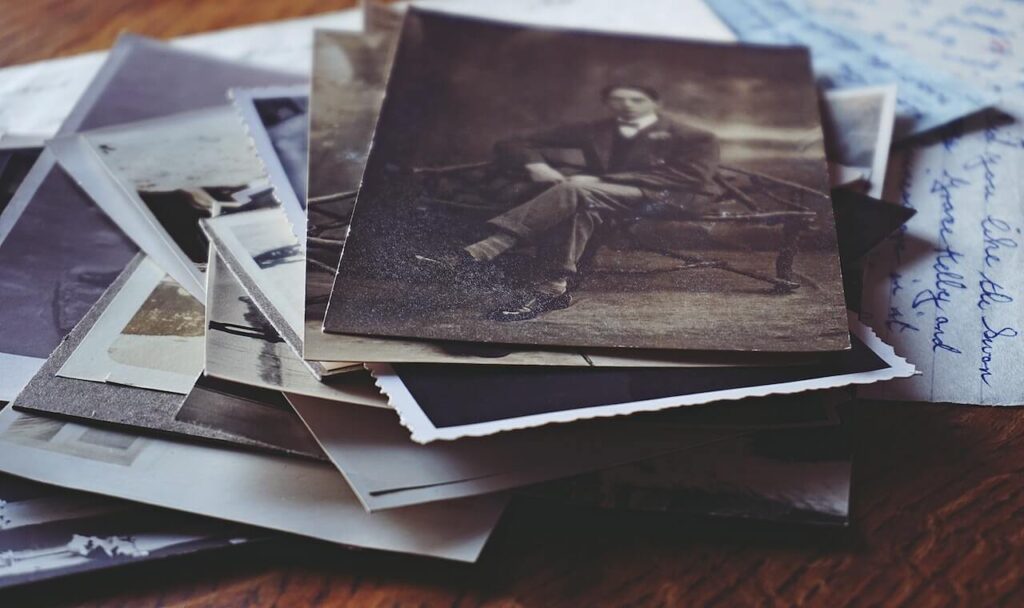
Personal belongings can keep the previous occupant visually present long after they are gone. Clothing, photographs, toiletries, bedding, shoes, medications, and other everyday objects should be removed unless you have a specific reason to preserve them.
Furniture is different. A table, cabinet, antique clock, or other useful piece does not automatically carry bad Feng Shui because its owner died.
If you keep inherited or included furniture, clean it thoroughly, repair any damage, and place it according to your own layout instead of preserving the previous arrangement.
Clean the House Before Moving In

Before bringing in your furniture, give the house a thorough physical cleaning. Open windows and interior doors, wash floors and surfaces, remove dust and cobwebs, clean neglected corners, and let sunlight into rooms that have remained closed. Repair broken lights, dripping taps, damaged doors, stopped clocks, and anything else that has been left deteriorating.
An empty house can accumulate stagnant yin energy even without a death having occurred there. Darkness, dampness, clutter, disrepair, and lack of activity all contribute to that association.
Cleansing the House Before You Move In
After the house has been physically cleaned, clear the old energy before bringing in your belongings. Open every window and interior door to move stale chi out of closed rooms, then walk through the house with incense, bells, or a singing bowl. Salt can also be placed in rooms associated with the deceased and removed afterward.
After a violent or traumatic death, the cleansing may be more extensive. The home can be blessed, the room where the death occurred repainted, and the furniture arrangement changed completely so the space no longer preserves the previous occupant’s setup.
Then bring activity back into the house. Open the curtains each morning, use every room, cook in the kitchen, play music, and invite people over. A house that has been empty or associated with death carries strong yin energy, so light, sound, movement, and regular human activity help restore yang energy.
Should You Buy the House?
From a Feng Shui perspective, a natural death alone is not a reason to reject an otherwise suitable house. A traumatic death receives more caution, especially when it happened recently or the property has remained untouched since then.
Also consider your own reaction to the history. A house can be cleaned, renovated, repainted, and rearranged, but you will still know what happened there. If that knowledge would constantly disturb you, the property may never become a comfortable home for you.
If the history does not trouble you, clearing out the previous occupant’s belongings, cleaning thoroughly, repairing neglected areas, changing the layout, and bringing regular activity back into the rooms can give the house a distinct new beginning.
More Feng Shui Tips for Moving Home
- Feng Shui and Pet Ashes: The Do’s and Don’ts
- Why It’s Bad Luck to Keep Ashes in the House (Let Alone Open Them)
- Feng Shui Money Corner: How to Find It & Attract Wealth
- The Feng Shui Wallet: Color, Shape, and Money Habits
- When a Picture Falls Off the Wall: Spiritual Meaning & Superstitions