


In Feng Shui, belongings from a deceased person can remain in your home, although preserving everything exactly as they left it is discouraged. Personal objects retain the energy and associations of their owner, and rooms filled with untouched clothing, furniture, bedding, and everyday possessions can leave the home energetically tied to the past.
You do not have to throw away everything they owned. Feng Shui favors choosing meaningful keepsakes, donating useful possessions, removing damaged or unwanted items, and giving anything you keep a clear place in the home.
Why Their Belongings Affect the Home
Objects used every day become closely connected with a person’s routines and presence. Clothing carries their scent and shape. Their shoes remain where they took them off. Glasses, hairbrushes, bedding, and favorite chairs can make a room look as though its owner could return at any moment.
In Feng Shui, leaving an entire room untouched after someone dies can create stagnant chi. The space remains arranged for a life that is no longer taking place there.
Changing the room, opening it up, and deciding which possessions will stay allows the home to become active again without erasing the person who lived there.
Should You Keep Their Clothes?
Keeping a few meaningful pieces is very different from leaving an entire wardrobe untouched.
A favorite coat, scarf, piece of jewelry, or other item with a strong personal connection can become a keepsake. Clothes that nobody intends to wear are better donated, passed to relatives, or stored away from the main living areas.
Unwashed clothing deserves particular attention because scent creates such a strong connection with physical presence. If you plan to keep clothing, washing it before storing or wearing it gives the item a new place in your own life instead of preserving it exactly as the deceased person left it.
Bedding and Other Personal Items
Sheets, pillows, mattresses, toiletries, hairbrushes, and similar objects are closely connected with the body and daily routine.
Feng Shui generally favors replacing or removing these items instead of preserving them indefinitely. This is especially relevant when a bedroom remains arranged exactly as it was before the death.
Jewelry, books, artwork, furniture, watches, or handmade objects are easier to incorporate into the home because they can take on a new purpose. An inherited chair that you use becomes part of your home. A room full of untouched possessions remains connected with its former occupant.
Photos of Deceased Loved Ones
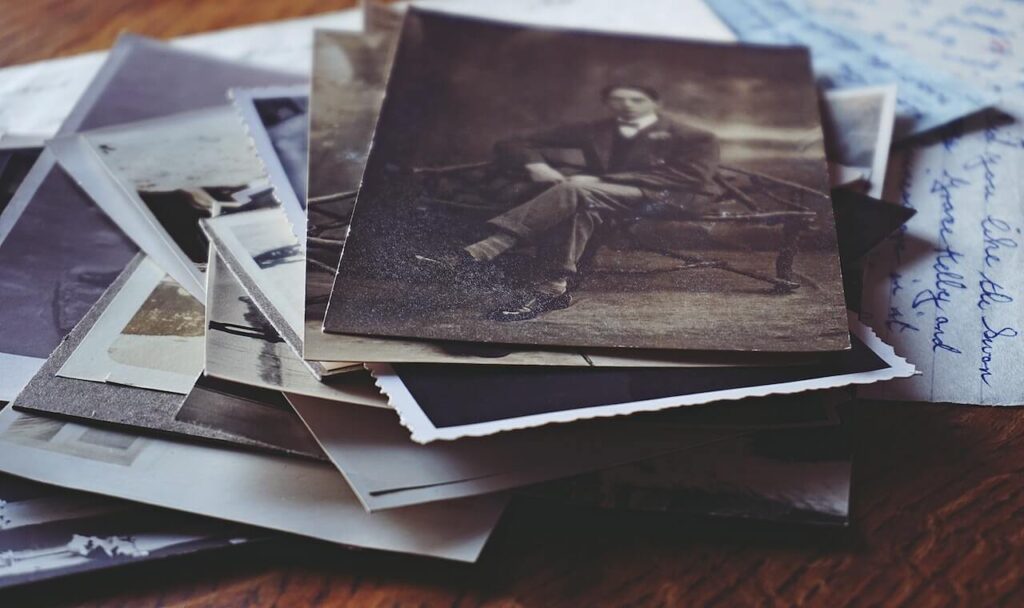
Photos do not need to disappear after someone dies. They can be displayed as part of family history and remembrance.
Choose photographs connected with happy memories and place them somewhere intentional, such as a family area, hallway, bookshelf, or dedicated memorial space.
The bedroom is usually less suitable for a large collection of deceased relatives’ photographs, particularly around the bed. Feng Shui treats the bedroom as a space for sleep, intimacy, and the people currently using it.
A few family photographs elsewhere in the home create a very different atmosphere from walls covered entirely with images of people who have died.
Mirrors and a Deceased Person’s Room
Mirrors receive special attention in Feng Shui because they reflect and redirect chi. A mirror from the deceased person’s home does not automatically bring bad luck, and there is no need to discard a beautiful antique simply because its owner died.
If the mirror came from a bedroom or stood close to the person’s bed, cleaning it before placing it elsewhere can mark its transition into a new home or purpose.
Broken, cracked, or badly damaged mirrors are better removed instead of kept as memorial objects.
What About Inherited Furniture?
Inherited furniture can stay, especially when you genuinely like and use it. A table, cabinet, clock, chair, or chest does not need to be removed simply because it belonged to someone who died.
Clean it, repair any damage, and decide where you want it rather than recreating its previous location exactly. Moving an inherited object into a new position helps integrate it into the current household.
If you keep something solely because you feel guilty about getting rid of it, passing it to another relative or donating it may be a better choice.

Clearing the Room After a Death
Once belongings have been sorted, Feng Shui favors bringing air, light, movement, and activity back into the room.
Open the windows, wash bedding and curtains, dust furniture, clean the floor, and move objects that have remained untouched. Rearranging furniture can help change the room from a preserved space into one that has a purpose again.
Incense, bells, singing bowls, or other cleansing rituals can be added if they are part of your practice, but basic cleaning and movement already change the chi considerably.
Keep the Memory, Choose the Objects
You do not need every possession to maintain a connection with someone who died. A watch you actually wear, a photograph you love, a handwritten letter, or a piece of furniture used by the family gives the person a place in the home without preserving everything they owned.
Feng Shui favors keeping selected belongings with purpose instead of keeping an entire life untouched. Use what can become part of your home, preserve a few personal keepsakes, pass useful objects to others, and release possessions that have no place in your life now.
More Feng Shui for the Home
- Unlucky House Numbers According to Feng Shui and Numerology
- Feng Shui for Your Dog’s Bed: Placement, Colors, and Comfort
- Mirror Facing Bed: Superstitions, Paranormal Beliefs, and Feng Shui
- Grandfather Clock in Feng Shui: Placement Rules & Symbolism
- Feng Shui Tips for Buying a House Where Someone Died