

Moving into a new apartment is exciting, but it can also feel oddly unsettling at first. You’re surrounded by boxes, half-unpacked rooms, and that strange sense of not quite belonging yet. The space is new, but your body hasn’t caught up.
This is where Feng Shui can help. Not as a strict system or a list of rules, but as a way to help the apartment settle around you instead of feeling temporary or disconnected.
Start With the Entrance
The entrance sets the tone every single time you come home. It’s the first thing you see when you’re tired, overstimulated, or just done with the day.
Try to keep this area as clear as possible, even if the rest of the apartment is still chaos. Shoes, bags, and boxes piling up right at the door create a sense of friction before you’ve even stepped inside.
Good lighting makes a big difference here. A small lamp, a clean mat, or one simple plant can make the entrance feel calm and intentional instead of rushed.
Unpack in Stages, Not All at Once
Clutter is unavoidable when you move. Feng Shui doesn’t expect everything to be perfect immediately, but it does respond to long-term limbo.
Start with the essentials: clothes, kitchen items, bathroom basics. Getting these settled helps your nervous system relax. The apartment starts to feel usable instead of unfinished.
This is especially helpful if you’re preparing to buy or sell property, since clutter tends to keep a space stuck in transition.
Place Furniture Where It Feels Supportive
In new apartments, furniture often ends up pushed against walls just to make space. The result can feel empty or oddly uncomfortable.
Beds and sofas feel best when they’re placed so you can see the door without being directly in line with it. This creates a sense of ease and stability, especially in bedrooms and living rooms.
Pay attention to how your body reacts in each room. If a space makes you restless or tense, adjust the layout. Small shifts can change the entire feel of a room.
Let Natural Light Move Freely
Light changes everything. Even a small apartment feels more open when light can move without obstacles.
Heavy curtains and dark corners tend to make a space feel closed in. Lighter fabrics, open blinds during the day, and reflective surfaces help brighten the energy naturally.
Color also plays a role. Soft tones create calm. Warmer shades bring comfort. You don’t need to repaint or redesign. Pillows, throws, artwork, and even books can subtly shift the mood.
Bring in Living Energy
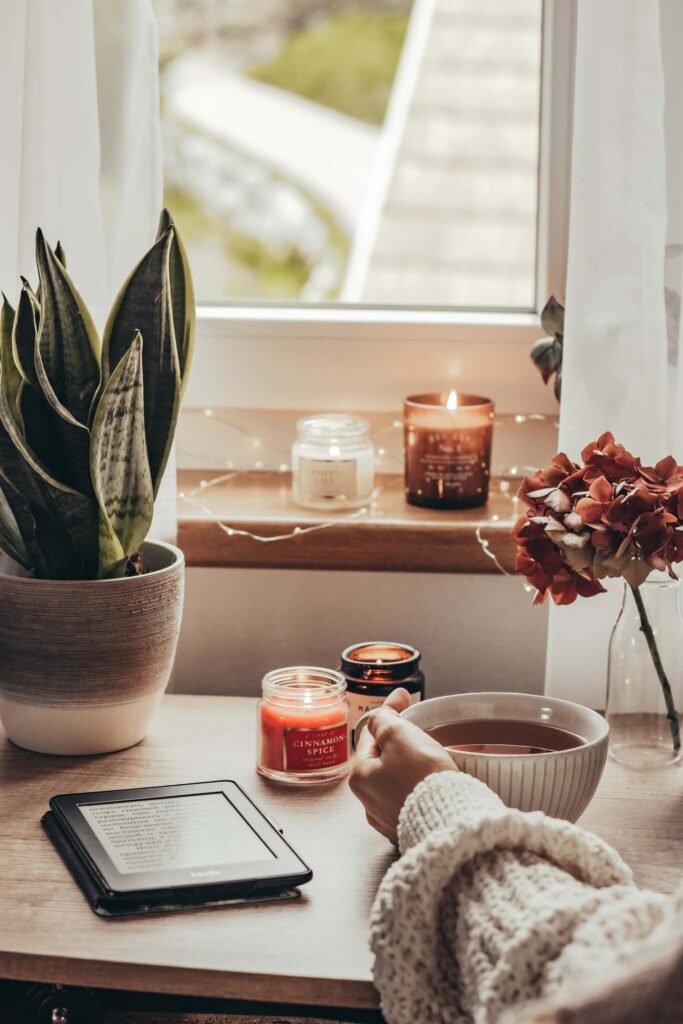
Plants add life to a space in a very direct way. They introduce movement, growth, and freshness without trying too hard.
One healthy plant is better than several struggling ones. Choose something easy to care for so it stays vibrant rather than becoming another obligation.
Natural materials help as well. Wood, ceramics, stone, linen, and cotton ground the apartment and make it feel less temporary, especially in rentals.
Keep the Space Clean, Not Perfect
A clean apartment feels lighter, but Feng Shui doesn’t push for sterility. It supports care.
Opening windows regularly, refreshing the air, and keeping surfaces reasonably clear helps prevent energy from feeling stale. You don’t need a strict routine. Consistency is enough.
Variety helps too. Some quiet corners, some active ones. Soft textures balanced with structure. Too much of one thing can make a space feel flat.
Let the Apartment Become Yours
The most important part of Feng Shui is personal response. If something technically “works” but feels wrong, change it. If something feels right even though it breaks a guideline, keep it.
Your apartment should support how you live, rest, and recharge. Feng Shui simply helps remove resistance so that support becomes easier.
Give the space time. Adjust as you go. When the apartment starts to feel natural instead of temporary, that’s when everything clicks.