

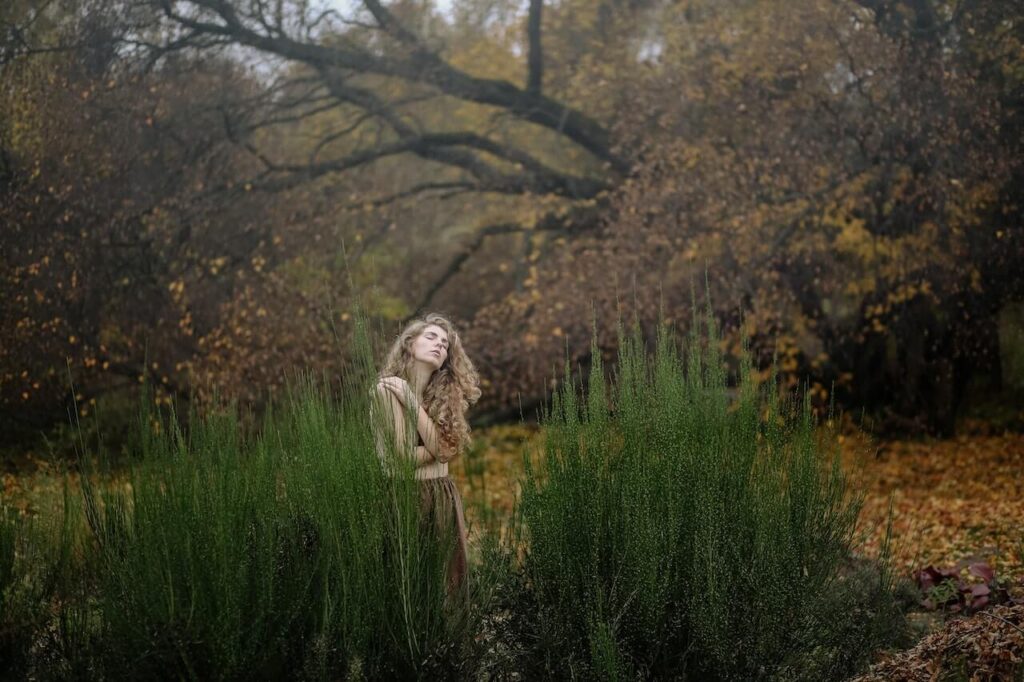
Until recently, I genuinely believed I might be one of the biggest nature lovers out there. I walk to the forest every single day. I touch trees. I talk to plants. I pick up stones, hold them, feel them. Being outside isn’t a hobby for me, it’s something I need.
Then I learned about ecosexuality. And suddenly, everything I thought was a little odd about myself felt very tame by comparison.
The word ecosexuality tends to stop people mid-scroll. Not because it sounds poetic or intriguing, but because it immediately raises questions no one was planning to ask. Is it metaphor? Is it performance art? Is it supposed to be taken literally?
We live in a time where new labels appear nonstop, so shock isn’t really the point anymore. Confusion is. Ecosexuality exists in a strange overlap of admiration, symbolism, sexuality, and spectacle, and that’s where things start to feel messy.
What follows are my personal views. You may agree with them. You may not. Either way, the topic deserves a more honest and grounded conversation than it usually gets.
What Is Ecosexuality
Ecosexuality describes a form of sexuality in which a person feels an emotional and sexual connection to nature itself. For those who identify this way, nature isn’t only something to enjoy or protect. It becomes part of their intimate life.
The concept gained visibility in the early 2000s through performance art and environmental activism. Its creators framed the Earth as a partner rather than a resource, using symbolic acts like marrying trees or bodies of water to challenge how humans relate to the natural world.
As symbolic gestures, these acts may spark discussion. Taken literally, they begin to feel detached from everyday reality. People have married objects, machines, and fictional beings before, so this behavior isn’t entirely unprecedented. That doesn’t make it any easier to relate to.
It’s Not Just About Nature’s Beauty
Ecosexuality isn’t about enjoying landscapes or feeling calm outdoors. Supporters often describe nature as a lover or a source of sexual pleasure.
This can involve hugging trees, rolling in grass, or having sex in natural settings. These actions are framed as expressions of love toward the Earth rather than private behavior placed in public space.
From my perspective, it’s difficult to see how these acts show respect for nature. Planting trees, protecting animals, cleaning rivers, or supporting conservation efforts feels far more meaningful than turning forests and gardens into stages for personal expression.

Environmental Activism
Many ecosexuals connect their identity to environmental activism. They believe that treating the Earth as a partner strengthens emotional responsibility toward the planet.
Some refer to themselves as Earth lovers or Earth activists. The intention may be sincere, but the logic doesn’t fully hold up. Being naked in a field or engaging in sexual behavior outdoors doesn’t restore ecosystems or prevent environmental damage. Activism usually involves actions that lead to visible results, not symbolism alone.
There’s a Very Thin Line Between Illusion and Reality
When I started reading real accounts from people who identify as ecosexual, one thing became clear: the term doesn’t mean the same thing to everyone.
For some, it functions as a metaphor. A deep attachment to nature similar to loving animals, landscapes, or specific environments. That version is easy to understand.
For others, the connection is described as literal and sexual. That’s where, in my view, things drift away from shared reality. Sitting under a tree, enjoying a drink, listening to birds, or feeling present in nature is normal human behavior. Stripping naked in a vegetable patch and treating it as sexual expression crosses into something else entirely.
At that point, it stops being about connection and starts becoming performative.
When Appreciation Turns Into Performance
Maybe the real issue isn’t nature at all, but our need to label and sexualize every form of affection.
Nature doesn’t ask to be part of human identity debates. It doesn’t need ceremonies, performances, or provocation to be respected. It needs care, protection, and responsibility.
Instead of crawling through flower beds or licking leaves, wouldn’t it make more sense to plant trees, provide food and water for wildlife, and protect habitats that are disappearing?
Nature doesn’t need to be sexualized to be loved.