

How mermaids would reproduce has been a point of curiosity for centuries. As half human and half fish, they don’t fit neatly into any biological category, which is exactly why the question keeps resurfacing.
Do mermaids lay eggs like fish? Do they give birth like humans or marine mammals? Do mermen exist at all? Or is reproduction not even part of their story?
Because mermaids live in myth, the answers live in imagination too. Over time, folklore, fantasy, and modern storytelling have offered several ideas about how mermaids might bring new life into the world.
The Mythological Origins of Mermaids
Mermaids appear in myths that go back thousands of years and across many cultures. Some of the earliest depictions come from ancient Mesopotamia, where sea deities were shown as part human and part fish and connected to fertility and creation.
In Assyrian mythology, the goddess Atargatis transformed into a mermaid after tragedy. Greek and Roman myths later introduced sea figures like Amphitrite and Salacia, often linked to gods of the ocean.
Then there are the sirens of Greek mythology, sometimes confused with mermaids. They were dangerous, alluring beings whose songs drew sailors toward rocky shores. Over time, these stories blended together, shaping the mermaid image we recognize today: beautiful, otherworldly, and slightly dangerous.
With origins rooted in symbolism rather than biology, it’s no surprise their reproduction remains a mystery.
Theory 1: Asexual Reproduction
One popular idea is that mermaids don’t need partners to reproduce at all.
Some believe mermaids reproduce through parthenogenesis, a process where offspring develop from unfertilized eggs. This happens in certain reptiles, insects, and fish, so it’s not completely outside the realm of nature.
If this were true, it could explain why mermaids are so often depicted alone, without visible male counterparts. It would also remove the need for mermen entirely, allowing mermaids to sustain their population independently.
For a mythical species, this theory fits surprisingly well.
Theory 2: Laying Eggs Like Fish
Another theory suggests that mermaids reproduce more like fish, laying eggs in the ocean.
In this version, eggs might be laid in hidden underwater caves, coral structures, or deep-sea shelters. Fertilization could happen externally, and the eggs would develop safely away from predators.
Some imagine the eggs drifting with ocean currents, almost invisible, until they hatch into tiny merlings already shaped with both human and fish features.
It’s a simple explanation that aligns with their aquatic environment.
Theory 3: Live Birth Like Marine Mammals
Some people believe mermaids would give birth more like whales or dolphins.
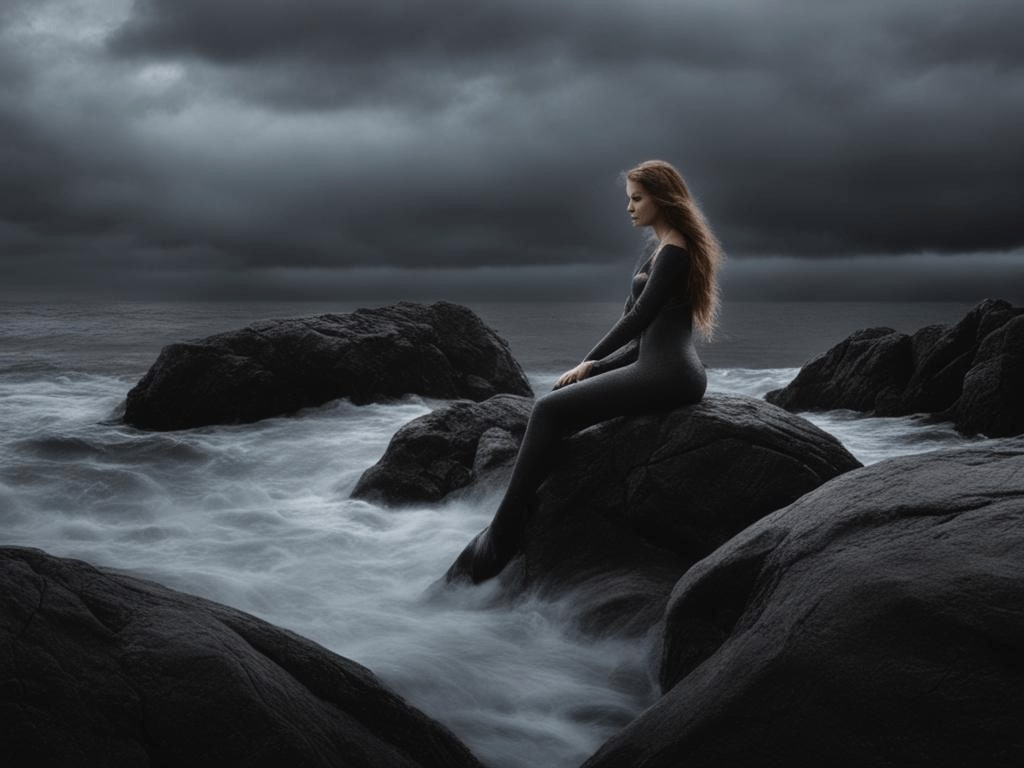
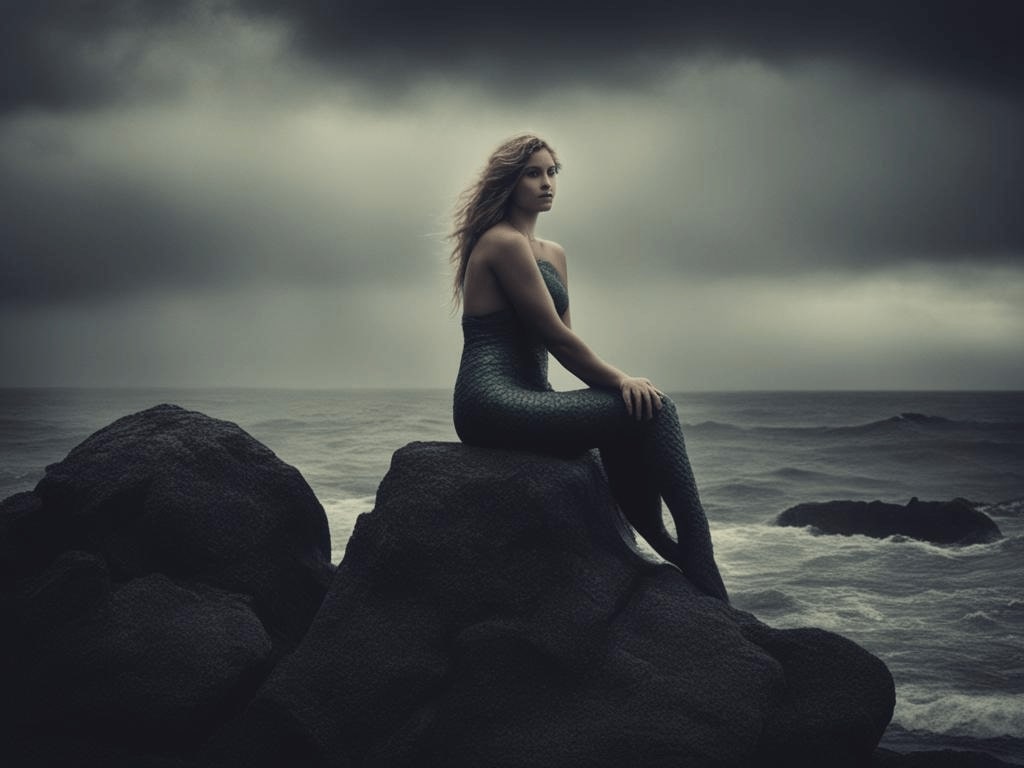
Because mermaids have tails rather than legs, this theory imagines them surfacing to give birth and then returning the newborn to the water. The baby might be born tail-first, already adapted to swimming.
This idea often appears in modern fantasy art and storytelling, especially in darker or more realistic interpretations of mermaid life.
It also makes sense visually, even if it leans more cinematic than mythological.
Theory 4: A Mystical or Non-Biological Process
The most flexible theory is that mermaids don’t reproduce biologically at all.
In folklore, they might form from sea foam, storms, drowned souls, or the ocean itself. Some stories suggest mermaids appear only when certain conditions are met, rather than being born.
This would explain why mermaid children are rarely mentioned in legends. It could also explain why no one ever seems to witness mermaid families.
If mermaids are manifestations of the sea rather than a species, reproduction may not apply in the usual sense.
Why There’s No Single Answer
Mermaids aren’t meant to follow biological rules. They exist in the space between symbolism and imagination.
Some stories need them to be dangerous. Others need them to be nurturing. Some treat them as ancient beings. Others as creatures closer to humans. How they reproduce depends entirely on which version of the myth you’re telling.
Why It’s Fun to Think About Anyway
Stories hinted at their bodies, their voices, their danger, but skipped over the practical parts on purpose. That gap leaves room for imagination to step in.
Mermaids mirror the ocean itself. Beautiful from a distance, unsettling up close, capable of giving life and taking it away just as easily. The lack of clear answers isn’t a flaw in the myth. It’s what keeps it flexible.
Whether you imagine them laying eggs, giving birth, reproducing alone, or forming from the sea itself, none of it needs to be settled. The uncertainty is what allows mermaids to keep changing shape across cultures and centuries.
And maybe that’s why they’re still here, swimming between story and imagination instead of being pinned down by rules.
By the way, have you ever wondered if you were a mermaid in a past life? Here are some signs: 8 Signs You Might Have Been a Mermaid in a Past Life