


You’re texting someone, everything feels normal, and then they reply with just one word: “bsn.” No explanation, no punctuation, maybe an emoji if you’re lucky.
If you’re not used to newer slang, it can feel confusing or even slightly rude. Is it an insult? A joke? Are they mad?
BSN is one of those abbreviations that only really makes sense once you’ve seen it used in context. Here is a clear explanation of what BSN means in texting, how people actually use it, and when it makes sense to use it yourself.
What Does BSN Mean in Texting?
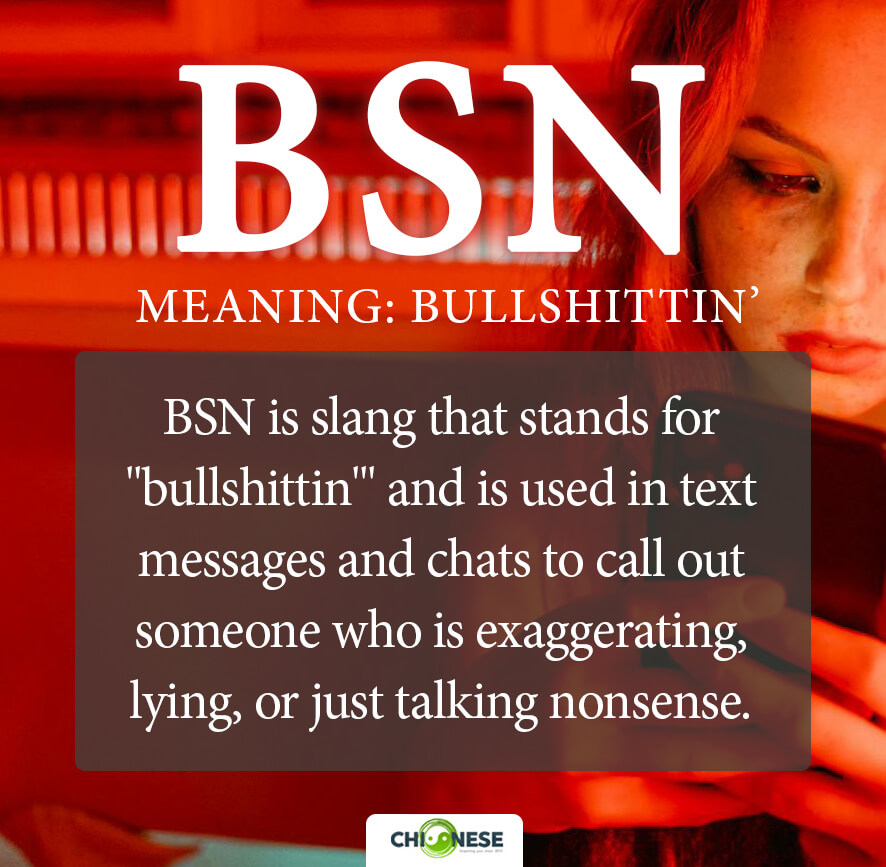
In texting and casual online conversations, BSN stands for “bullshittin’.”
It’s used when someone:
- doesn’t believe what the other person is saying
- thinks a story is exaggerated
- feels like someone is joking or making things up
- wants to call out nonsense in a casual way
Most of the time, BSN is not meant seriously. It’s closer to playful disbelief than an actual accusation.
Simple example:
“You finished that whole project in one night? BSN.”
What People Mean When They Say BSN
When someone uses BSN, they’re usually saying one of these things:
- “I don’t believe you.”
- “That sounds fake.”
- “You’re exaggerating.”
- “You’re joking, right?”
It’s a shortcut for skepticism. Instead of explaining why something sounds unrealistic, BSN gets the point across instantly.
Is BSN Always Negative?
Not necessarily.
BSN can sound harsh on paper, but in practice, tone and context matter a lot. Between friends, it’s often used jokingly and doesn’t carry much weight. In those cases, it’s closer to teasing than calling someone a liar.
However, if used with someone you don’t know well, BSN can come across as dismissive or disrespectful. It’s not a neutral word, so it works best in casual conversations where humor is already established.
Common Ways You’ll See BSN Used
BSN shows up in a few different forms. You might see it written as:
- “BSN.”
- “bsn.”
- “You BSN.”
- “Quit BSN.”
- “I was just BSN.”
- “That’s straight BSN.”
Capitalization doesn’t change the meaning. People usually type it however it feels natural in the moment.
How to Use BSN in Texting
If you want to use BSN yourself, it helps to understand how people naturally drop it into conversations.
Calling out an exaggeration
“You ran five miles without stopping on your first day back? BSN.”
Responding to an unbelievable claim
“Private jet to Miami tomorrow? Yeah… BSN.”
Admitting you were joking
“Okay, I’m BSN. I didn’t actually meet him.”
Keeping it playful
“I totally cleaned my whole apartment in ten minutes. Big BSN.”
Emoji like 😅😜🤨 are often added to make sure the tone stays light.
BSN Example Sentences in Everyday Language
Here are realistic examples of how BSN shows up in normal conversations:
- “He always BSN when he tells stories.”
- “I believed you for a second, then I realized you were BSN.”
- “Don’t BSN me, I saw what really happened.”
- “She said she doesn’t care, but that’s BSN.”
- “I was tired and just BSN my way through that excuse.”
- “You’re BSN if you think that’s free.”
These sound casual because that’s where BSN belongs.
Where BSN Is Most Commonly Used
You’re most likely to see BSN in:
- text messages
- group chats
- TikTok comments
- casual social media replies
It’s very uncommon in:
- professional settings
- formal writing
- serious discussions
If the conversation already feels relaxed, BSN fits. If not, it probably doesn’t.
Why Slang Like BSN Exists
Slang terms like BSN stick around because they’re fast and expressive. Instead of writing a full sentence like “I don’t think that’s true,” BSN delivers the same message instantly.
It also adds personality to conversations. Using slang can signal familiarity, shared humor, or insider language between friends.
Should You Use BSN?
That depends on who you’re talking to.
If it’s someone who understands your tone and sense of humor, BSN can be harmless and even funny. If it’s someone more sensitive or unfamiliar with slang, it can sound blunt.
When in doubt, it’s usually safer to skip it.
How BSN Fits Into Everyday Texting
BSN is one of those slang terms that only works in the right setting. It’s casual, a little blunt, and usually meant to keep conversations light rather than start an argument. When it shows up in a text, it’s rarely about calling someone out in a serious way. Most of the time, it’s just shorthand for playful disbelief or joking skepticism.
Once you’ve seen it used a few times, BSN becomes easy to recognize. It’s less about the word itself and more about the tone behind it.