


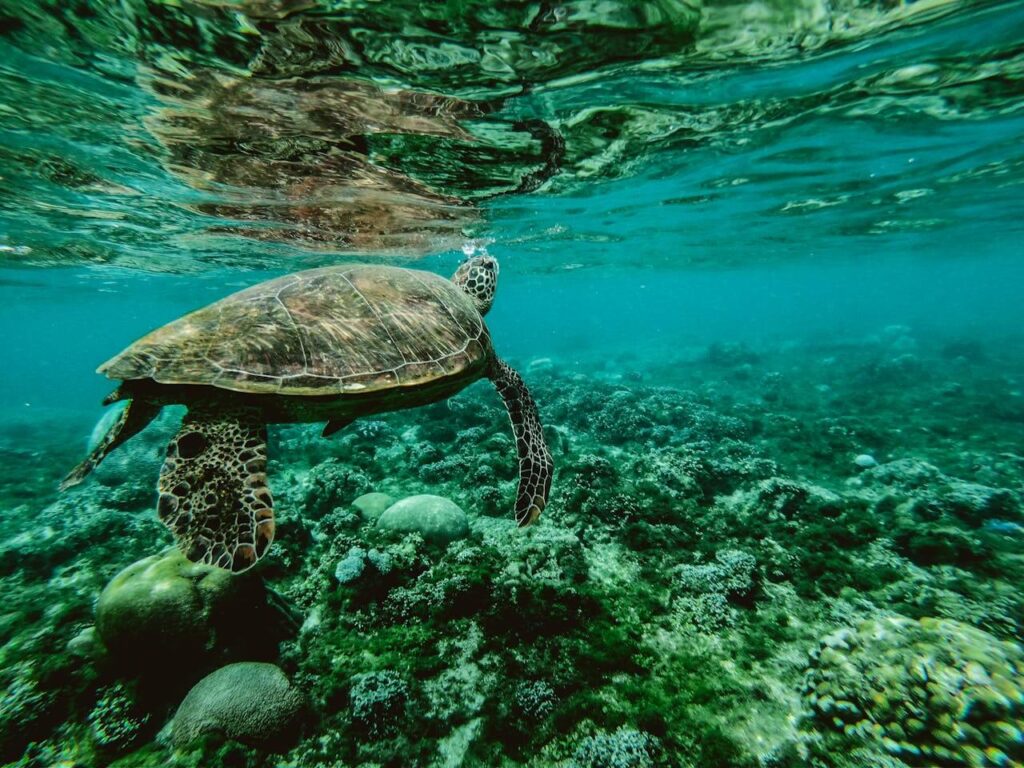
Our oceans cover over 70% of the Earth’s surface. They are the lifeblood of our planet, nurturing a rich tapestry of ecosystems that sustain life in all its forms. From the sun-drenched coral reefs of the tropics to the icy depths of the polar seas, marine environments harbor an astonishing array of biodiversity, rivaling even the most biodiverse terrestrial habitats. Within these watery realms, an intricate dance of life unfolds, where every species, from the tiniest plankton to the largest whales, plays an important role in maintaining the beautiful harmony of the ocean ecosystem.
However, despite their vastness and seemingly boundless abundance, our oceans are facing unprecedented threats from human activities. Overfishing, habitat destruction, climate change, and pollution are wreaking havoc on marine ecosystems, pushing them to the brink of collapse. The consequences of this ecological unraveling are far-reaching, with implications for human well-being, food security, economic prosperity, and the health of the planet as a whole.
Biodiversity Hotspots
One of the primary reasons for conserving ocean ecosystems is to protect the incredible biodiversity they support, including marine conservation efforts. Coral reefs, mangroves, seagrass beds, and deep-sea vents are just a few examples of marine habitats that are home to a vast array of species, from microscopic plankton to majestic whales. These ecosystems, crucial for marine conservation, provide vital breeding grounds, nurseries, and habitats for countless marine organisms, supporting complex food webs and ecological processes. Moreover, many species found in these habitats have yet to be discovered or fully understood, holding potential benefits for medicine, biotechnology, and other fields.
Climate Regulation
Ocean ecosystems play a crucial role in regulating the Earth’s climate. Marine plants, such as phytoplankton and seaweeds, absorb carbon dioxide from the air as they grow. This helps remove some of the carbon dioxide from the atmosphere, so they act like “carbon sinks” which can slow global warming. Additionally, ocean currents and circulation patterns redistribute heat around the globe, influencing regional climates and weather patterns. Coral reefs and mangroves also serve as natural barriers against storms and coastal erosion, protecting coastal communities from the impacts of climate-related disasters.
Economic Importance
The health of ocean ecosystems is closely linked to the global economy. Fisheries and aquaculture industries rely on healthy marine ecosystems to sustainably harvest fish, shellfish, and other seafood products. Additionally, industries such as tourism, recreation, and coastal development depend on intact marine habitats to attract visitors and generate revenue. Healthy coral reefs, for example, are a major tourist attraction, supporting millions of jobs and billions of dollars in revenue each year. By conserving ocean ecosystems, we can safeguard these economic benefits for current and future generations.
Food Security
Ocean ecosystems are a vital source of food for millions of people around the world, particularly in coastal communities and developing countries. Fish and other marine resources provide protein, essential nutrients, and livelihoods for billions of people, especially in regions where alternative food sources are limited. However, overfishing, habitat destruction and pollution are threatening the productivity and resilience of marine ecosystems, jeopardizing food security for vulnerable populations. If we take care of our oceans and use ocean resources carefully, people in the future will still be able to get lots of healthy fish and seafood from the ocean. Making sure we don’t use too much too fast will help make sure our kids and grandkids can still enjoy everything the ocean has to offer.
Cultural and Recreational Value
The oceans hold immense cultural and recreational value for communities around the world. Coastal cultures have deep-rooted connections to the sea, with traditions, customs, and livelihoods intertwined with marine ecosystems. Fishing, boating, surfing, and diving are just a few examples of recreational activities that rely on healthy oceans. Furthermore, marine biodiversity and natural landscapes inspire awe and wonder, providing opportunities for education, inspiration, and spiritual enrichment. By conserving ocean ecosystems, we can preserve these cultural heritage and recreational opportunities for future generations to enjoy.
Threats and Challenges
Despite their importance, ocean ecosystems face numerous threats and challenges that require urgent attention and action. Overfishing, illegal fishing, habitat destruction, pollution, climate change, and ocean acidification are among the most pressing issues affecting marine environments worldwide. Human activities on land, such as deforestation, urbanization, and agricultural runoff, are also harming marine ecosystems. Addressing these threats will require collaboration and cooperation at local, national, and international levels, as well as innovative solutions that balance environmental conservation with economic development and social equity.
In conclusion, the conservation of ocean ecosystems is essential for the well-being of our planet and future generations. These diverse and interconnected habitats provide a wide range of ecological, economic, cultural, and recreational benefits that enrich our lives in countless ways. By recognizing the importance of ocean conservation and taking concrete actions to protect and restore marine environments, we can ensure a sustainable future for ourselves and the myriad of species that call the oceans home. Let us strive to be responsible stewards of the seas, preserving their beauty, diversity, and vitality for generations to come.