

Those little gnome statues tucked between flowers or guarding strawberry patches may look harmless, even silly, but their history goes back much further than most people realize. Today they’re seen as cheerful garden decorations, yet their roots are tied to European folklore, alchemy, and old beliefs about nature spirits. That mix is exactly why some people still wonder whether gnomes are connected to witchcraft or darker forces.
Growing up in the Czech Republic, I always found gnomes strangely fascinating. Every time we crossed the border into Germany, Austria, or Poland, there were shops overflowing with them. Shelves packed, windows crowded, entire storefronts dedicated to nothing but gnomes. At home, we had just one small gnome in our garden, quietly standing watch. The contrast made me curious long before I ever knew their history.
The Old Folklore Behind Gnomes
Gnomes didn’t start as cute lawn ornaments. Their earliest appearances come from European folklore and Renaissance-era alchemy. They were described as earth spirits, beings believed to live underground and guard natural treasures like minerals, roots, and fertile soil.
One of the first people to clearly define gnomes was the Swiss alchemist Paracelsus. He classified them as elemental beings connected to earth, alongside spirits of air, fire, and water. In this worldview, gnomes weren’t mischievous or threatening. They were quiet caretakers of the natural world, tied to land, growth, and stability.
This is where their underground association comes from. Not because they were sinister, but because they were believed to move easily through soil and stone.
From Nature Spirits to Storybook Characters
As folklore evolved, gnomes slowly drifted away from alchemy and into storytelling. Over time, they appeared in fairy tales and regional legends, often portrayed as small, bearded figures who lived close to nature and occasionally interacted with humans.
Collections of European folklore helped soften their image. Gnomes became less mysterious and more approachable, eventually blending into children’s stories and fantasy worlds. By the time they reached popular culture, their darker or more serious symbolism had mostly faded.
How Gnomes Ended Up in Gardens
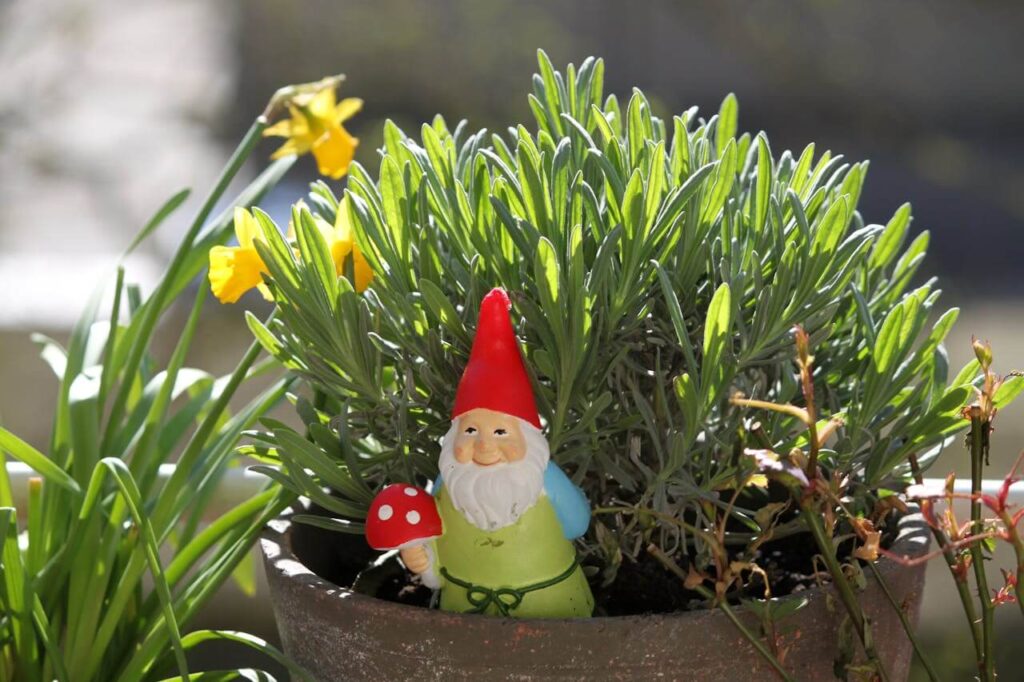
By the 19th century, gnomes had found a new role. Germany popularized them as garden decorations, presenting them as friendly protectors of plants and harvests. From there, garden gnomes spread across Europe and eventually the rest of the world.
In many households, gnomes weren’t just decoration. They were treated almost like guardians. In my family, there was a quiet belief that the gnome needed to stay upright to do its job properly. If it fell over during a storm, my grandmother would rush outside to stand it back up, convinced that a fallen gnome meant unprotected plants. A gnome on its side was seen as a sleeping watcher, not doing harm, just not doing much of anything at all.

Are Gnomes Connected to Witchcraft or Demons?
Gnomes are not demonic, and historically, they were never linked to witchcraft in a negative or threatening way. In traditional European folklore, they were nature spirits, nothing more. Their role was tied to earth, soil, and growth, not curses, rituals, or dark practices.
The confusion often comes from modern interpretations. Some contemporary spiritual paths that focus on nature symbolism include gnomes as representations of earth energy. This doesn’t mean gnomes themselves are part of witchcraft. It simply means they’re used symbolically, much like herbs, stones, or animal imagery.
Over time, fantasy media and social aesthetics blurred these lines even further. Gnomes sometimes appear in witchy decor, books, or social media themes because they look mystical and old-world, not because they carry hidden power.
Why the Misunderstanding Still Exists
Anything with ancient roots and vague symbolism tends to attract suspicion. Gnomes fall into that category. They’re old, they come from folklore, and they aren’t tied to a single clear origin story. That makes them easy to misunderstand.
But historically speaking, gnomes were never about spellcasting or evil forces. They were watchers, guardians, and symbols of the natural balance between humans and the land they depended on.
What Gnomes Actually Represent Today
Today, gnomes are mostly about tradition, nostalgia, and a bit of humor. They remind people of old gardens, childhood memories, and folk beliefs that didn’t take themselves too seriously.
For some, they symbolize protection or good luck. For others, they’re simply cheerful decorations. Either way, their presence is far removed from anything dark or dangerous.
Why Gnomes Still Stick Around
Gnomes survived because they adapted. From folklore to fairy tales to flower beds, they changed with culture. They’re familiar without being boring, old without feeling outdated.
If you want a gnome in your garden, you’re not inviting anything strange into your life. You’re placing a small piece of European folklore among your plants. And if you catch yourself checking whether it’s still standing after a storm, you’re participating in a tradition that’s been quietly passed down for generations.
Sometimes, that’s all the magic there is.