

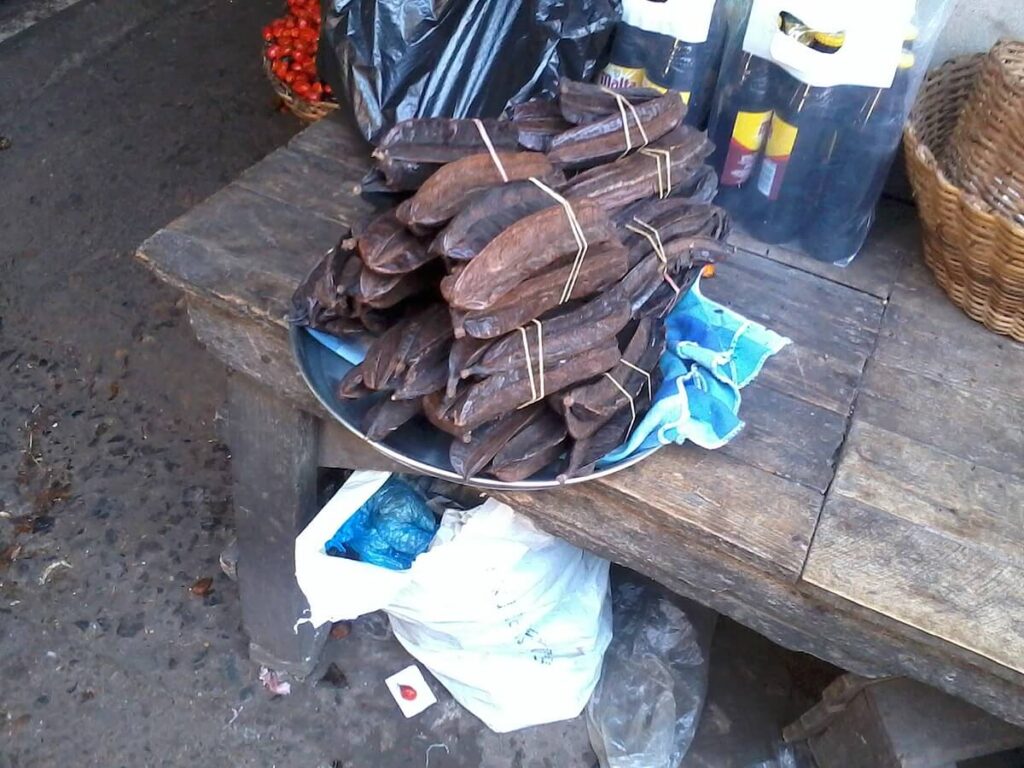
Prekese, also known as Aidan fruit, comes from West Africa and has been part of everyday life there for generations. It’s used in cooking, traditional medicine, and spiritual practices, especially among the Akan people of Ghana. For them, prekese isn’t just a spice or a plant. It carries meaning, intention, and purpose.
Prekese is often used with intention rather than casually. People turn to it when something feels off in their environment or routine, when a space needs resetting, or when they want to reinforce a sense of order and stability. Its use is usually deliberate and situational, not decorative or habitual. Below are the most commonly mentioned ways prekese is used and why it continues to hold practical and cultural relevance today.
Cleansing and Purification
One of the most well-known spiritual uses of prekese is cleansing. It’s often burned, boiled, or placed in water during rituals meant to clear heavy or stagnant energy from a person or space.
When prekese is burned, the scent is strong and earthy. Many believe the smoke helps reset the atmosphere in a room, especially after conflict, illness, or long periods of emotional stress. In spiritual baths, prekese is used to wash away what no longer belongs, whether that’s lingering negativity, exhaustion, or emotional residue picked up from others.
In ancestral traditions, cleansing isn’t about perfection. It’s about restoring balance. Prekese is used when things feel off and need to be brought back into alignment.
Spiritual Protection
Prekese is also commonly associated with protection. Some people keep dried pods in their home, near entrances, or in personal spaces as a way of creating a boundary against unwanted influence.
The belief is simple. Prekese helps maintain a stable environment. It’s not about fear or paranoia. It’s about keeping your space feeling solid and undisturbed. In this sense, protection isn’t dramatic. It’s preventative.
That’s why prekese often shows up in rituals meant to guard against jealousy, ill intentions, or spiritual interference. It’s used quietly, consistently, and with intention.
Abundance and Prosperity

Prekese is sometimes used in rituals connected to abundance, work, and long-term stability. This isn’t about sudden wealth or luck. It’s about steady growth.
Because prekese comes from the earth and is tied to nourishment and survival, it’s often seen as a symbol of provision. In spiritual work, it’s used to support goals related to finances, career progress, or maintaining stability during uncertain periods.
People may place prekese on an altar, carry a piece with them, or include it in rituals focused on sustainability rather than excess. The emphasis is usually on enough, not more than necessary.
Healing and Restoration
In many African spiritual systems, physical health and spiritual balance are closely linked. When someone feels unwell, overwhelmed, or drained, prekese may be used as part of a broader healing approach.
Spiritually, prekese is believed to support restoration. Not instant fixes, but gradual return to balance. It’s often used alongside rest, reflection, and care rather than as a standalone solution.
This makes prekese less about curing and more about supporting the body and mind as they recover.
Strengthening Ancestral Connection
Prekese is deeply tied to ancestral practices. It’s commonly used in offerings, libations, and rituals meant to honor those who came before.
In many traditions, ancestors are seen as active presences rather than distant figures. Prekese is included as a sign of respect and acknowledgment. It represents continuity, memory, and gratitude.
Using prekese in ancestral rituals isn’t about asking for miracles. It’s about maintaining a relationship. Remembering where you come from and recognizing that guidance doesn’t always come from the present moment alone.
How People Traditionally Use Prekese
There’s no single correct way to work with prekese, but these are some of the most common approaches.
Some people place dried prekese pods in their home, especially near doorways or sleeping areas, to support protection and stability.
Others burn small pieces as incense when they want to reset the atmosphere in a space or after emotionally intense periods.
Prekese is also boiled and added to spiritual baths, often combined with other plants, to support cleansing and emotional reset.
For abundance-related intentions, it may be placed on an altar or kept with personal items associated with work or finances.
In ancestral practices, prekese is offered alongside water, food, or other symbolic items during prayers or remembrance rituals.
Why Prekese Isn’t a Trend Item
Prekese isn’t something people picked up because it was fashionable or symbolic. It comes from everyday practices that were passed down, tested, and kept because they served a purpose. Treating it like a shortcut or aesthetic object strips it of what made it useful in the first place.
What matters isn’t copying a ritual step by step, but understanding why prekese was used and when. Its meaning comes from context, repetition, and intention over time. Without that, it’s just another object. With it, it becomes part of a practice that’s meant to be approached thoughtfully, not casually.