

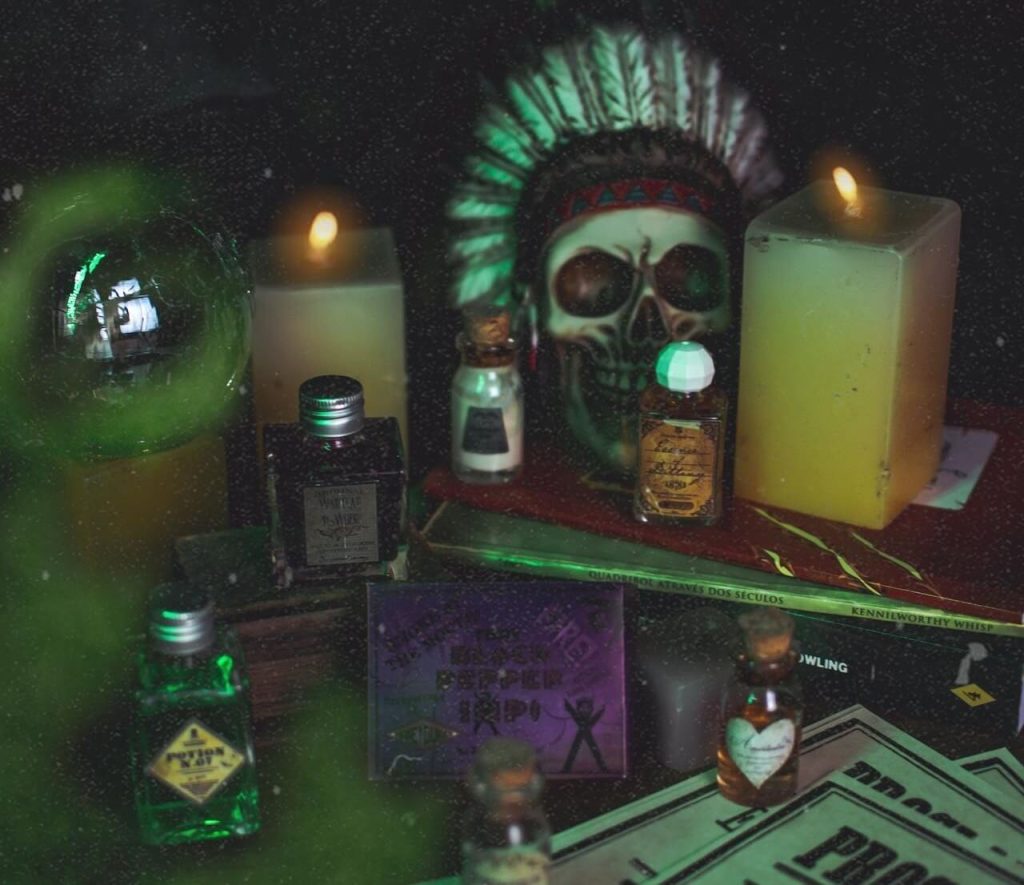
Alcohol is called spirits because distilled alcohol was historically associated with the “spirit” or essence extracted from a liquid during distillation. When fermented liquid is heated, alcohol evaporates into vapor and is then condensed back into a stronger liquid. The rising vapor helped connect distilled alcohol with older meanings of spirit as breath, essence, or an invisible force.
The name also has a spiritual side. Alcohol has been used in rituals and offerings for centuries, and its ability to alter consciousness gave it associations with souls, spirits, and the unseen world. This is why the word spirits has such an unusual double meaning today: it refers both to distilled alcohol and to nonphysical beings.
Spirit Originally Meant Breath
The word spirit comes from the Latin spiritus, meaning breath, breathing, or spirit. Breath was closely connected with life itself. A living body breathed; at death, that breath disappeared.
Over time, spirit became a word for the invisible essence believed to animate a person. This older meaning existed long before spirits became a familiar name for whiskey, vodka, rum, gin, brandy, and other distilled drinks. The connection becomes clearer once distillation enters the story.
Distillation and the Spirit of the Liquid
During distillation, a fermented liquid is heated until alcohol turns into vapor. That vapor rises, travels through the still, cools, and becomes liquid again.
To early distillers and alchemists, this process resembled extracting the essence from a substance. An invisible vapor rose from the original liquid and returned in a concentrated form.
Alchemy also used spirit for volatile substances produced through distillation. Terms such as spirit of wine were used for alcohol, helping establish the language that eventually gave distilled alcoholic drinks their familiar name.
This also explains why spirits refers specifically to distilled alcohol, rather than alcohol in general.
Alcohol and Altered Consciousness
Alcohol has another connection with the word spirit: it changes consciousness. Drinking can alter perception, emotions, inhibitions, memory, and behavior. Someone may become more talkative, emotional, affectionate, angry, impulsive, or completely unlike their sober self.
Long before the effects of alcohol on the brain were understood scientifically, such changes could easily take on spiritual significance. A substance capable of changing someone’s consciousness could be associated with forces beyond ordinary physical experience.
Alcohol also became part of religious ceremonies, offerings, celebrations, funerary customs, and rituals. Wine has an important role in Christianity, sake is used ceremonially in Shinto, and alcoholic drinks have been offered to ancestors and deities in different cultures.

Does Alcohol Open the Door to Spirits?
Alcohol is believed to lower a person’s energetic defenses, leaving them more vulnerable to spirits, entities, and negative energy. As intoxication increases, awareness and self-control weaken, which is why heavy drinking has long been connected with the idea of becoming spiritually unprotected.
This is also associated with cases where someone becomes almost unrecognizable after drinking, with a different expression, voice, mood, or personality. From a paranormal viewpoint, extreme intoxication can leave someone more open to an outside presence or energy influencing them.
Alcohol also directly affects the brain, perception, memory, emotions, and behavior. Changes during intoxication can therefore have a physical cause without involving spirits at all.
Why We Still Call Alcohol Spirits
Today, spirits is the standard name for distilled alcoholic drinks, including whiskey, vodka, rum, gin, tequila, and brandy. Yet the word still carries its much older associations with breath, vapor, essence, consciousness, and the unseen.
Distillation turns liquid into invisible vapor before collecting it again in concentrated form. Alcohol changes the person who consumes it. And throughout history, alcoholic drinks have shared space with ceremonies, offerings, ancestors, and spiritual practices.
A bottle of spirits carries a name that connects what rises from the still with something humans have spent thousands of years trying to understand: the invisible essence inside the physical form.
More Spiritual Origins and Meanings
- Dream About a Drunk Person: Spiritual Meaning & Symbolism
- Spilling Water or Drinks? Spiritual Meaning, Luck & Superstitions
- Hearing Wind Chimes When There Are None: Spiritual Meaning & Spirit Communication
- The Spiritual Meaning of “Black Hole Sun” by Soundgarden