

There are moments in life when everything feels like too much, not because of one major problem, but because several smaller pressures overlap. Deadlines stack up. Expectations are unclear. Communication inside teams starts breaking down. You spend more energy managing situations than actually doing the work.
Burnout does not happen overnight. It often shows up as reduced patience, ongoing fatigue, or the feeling that familiar tasks now require more effort. Stress usually comes from several sources at once. Work, home responsibilities, and limited personal time begin to overlap, keeping the mind alert even during rest.
Talking things through with friends can help, but it is not always what restores balance. Sometimes what works better is distance. Being able to get away from it all can help, especially when that time is spent with one of the following five hobbies that offer release, along with some private time, if the mood is right, with a male stroker toy.
Journaling as a Way to Untangle Thoughts
Journaling turns mental noise into something concrete. Writing thoughts down interrupts repetition and makes patterns easier to spot. What feels overwhelming internally often becomes manageable once it is on paper.
There is no required format. Some people write daily entries, others jot down fragments or lists. The value comes from honesty and privacy, not structure.
Photography and the Value of Being Present
Photography no longer belongs only to professionals. With accessible cameras and phones, it has become a practical solo hobby. Landscape photography, in particular, supports time alone. It pulls attention outside and gives it a single focus.
Spending time alone with a camera shifts attention outward. Light, distance, texture, and framing start to matter more than internal noise. Editing and composition add structure without pressure, making the process absorbing rather than demandin
Cooking Alone as a Form of Control and Care
When the house is empty, the kitchen can become a surprisingly calming space. Cooking alone removes the pressure of pleasing others. It allows experimentation without commentary or time constraints.
Trying new cuisines or techniques builds confidence and practical skill. Over time, it also changes your relationship with food. Preparing meals becomes less about obligation and more about curiosity. It can even foster appreciation for the unseen labor that often happens in shared households.
Cooking solo engages the senses and requires presence. Measuring, tasting, adjusting, and timing pull attention away from stress and into the moment. The result is tangible, nourishing, and often satisfying on multiple levels.
Reading and Personal Projects as Mental Refuge
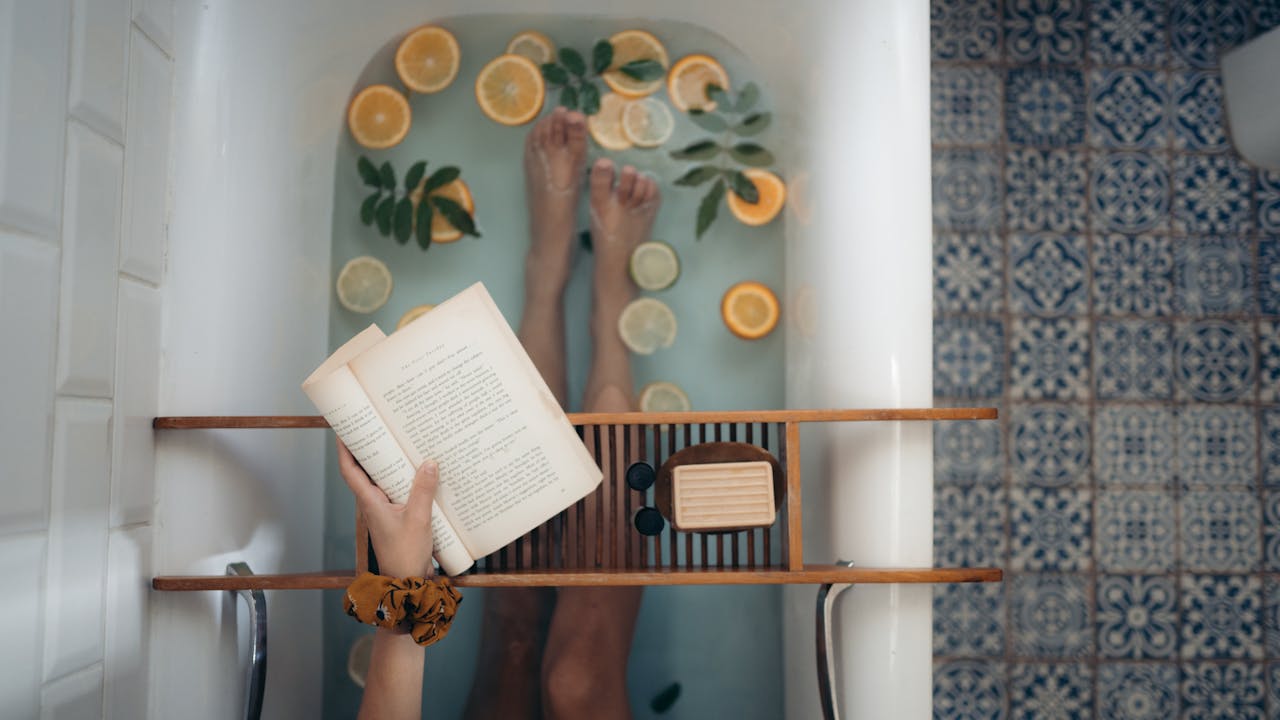
Reading offers a structured escape. It places your focus inside another narrative while giving your mind a break from decision-making. Whether fiction or non-fiction, reading alone allows absorption without interruption.
Similarly, personal projects provide purpose without external pressure. Writing, organizing, researching, or building something at your own pace restores a sense of agency. These activities can be done indoors or outdoors, depending on what feels restorative.
Engaging with projects alone often improves focus and patience. It also strengthens empathy by exposing you to different perspectives or ideas, even in silence.
Creative Expression Through Drawing and Painting
Art does not require talent to be therapeutic. Drawing and painting offer emotional release precisely because they bypass verbal language. When words feel insufficient, visuals step in.
Some people prefer sketching simple objects. Others explore digital tools, which reduce fear of mistakes through easy edits and undo options. Either approach allows experimentation without consequence.
Creative hobbies are a simple way to support mental health and well-being by offering time spent doing something absorbing and personal, without an audience or expectations.
Private Time and Physical Release
For some, solo time also includes private physical relaxation. When approached without shame or urgency, this can be another way to reconnect with the body and release tension. Spending quiet time alone, whether through rest, touch, or exploration, can support emotional balance when done consciously.
The key is intention. Solitude becomes healthy when it restores rather than isolates. Choosing how to spend that time makes the difference.
Choosing Solitude Without Guilt
Time alone is maintenance, not withdrawal. Solo hobbies create space for attention to reset.
When stress builds, stepping back is not weakness. It is awareness. Finding a space to reset, whether through creativity, focus, or quiet enjoyment, supports mental clarity and emotional stability.
Solitude, when chosen intentionally, strengthens rather than disconnects. It allows the mind to breathe and return more grounded, balanced, and present.