


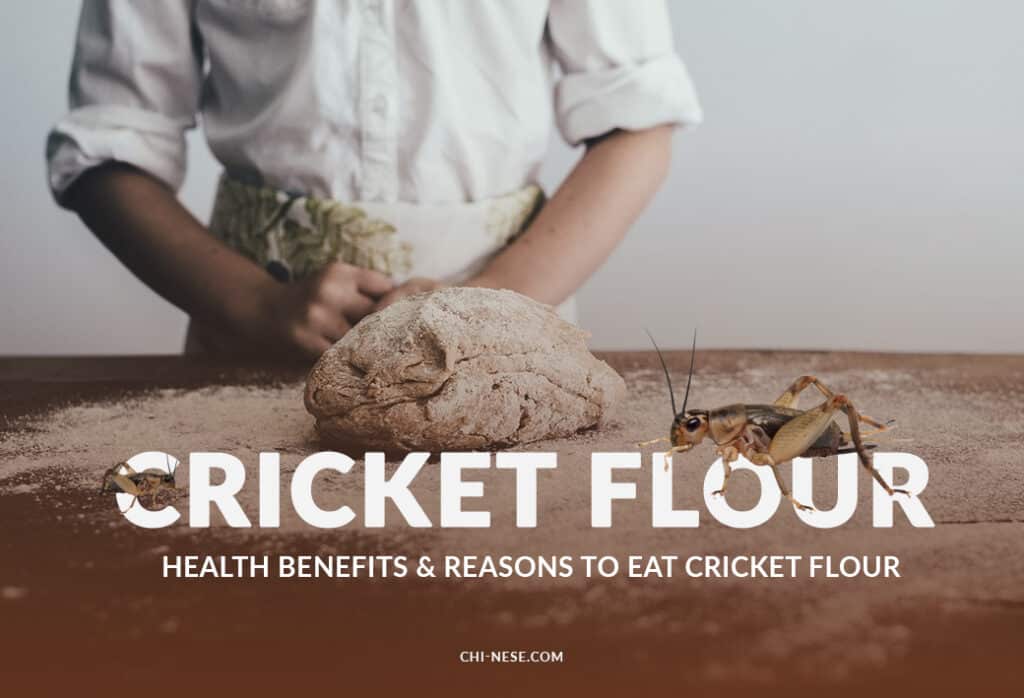
Cricket flour still sounds unusual to a lot of people, especially in Western countries. In other parts of the world, insects have been used as food for centuries, mainly because they’re nutrient-dense, efficient to produce, and surprisingly versatile.
Cricket flour and cricket powder are simply ground, dried crickets. No additives, no processing tricks. What makes them interesting isn’t novelty, but nutrition. Once you look past the initial hesitation, cricket flour turns out to be one of the most concentrated whole-food protein sources available.
Here’s why people use cricket flour, what it offers nutritionally, and how it actually works in everyday food.
1. High Protein Content
Cricket flour is exceptionally high in protein. On average, it contains around 60–70% protein, which puts it well above most traditional animal proteins by weight.
It’s also a complete protein, meaning it contains all nine essential amino acids your body can’t produce on its own. These amino acids are necessary for muscle repair, tissue maintenance, hormone production, and immune function.
For people who:
- train regularly
- want to maintain muscle mass
- need higher protein intake without large portions
cricket flour makes it easier to hit those numbers without relying on protein isolates or heavily processed supplements.
2. Iron and Vitamin B12
Two nutrients that many people struggle to get enough of are iron and vitamin B12, and cricket flour provides both in meaningful amounts.
Iron is essential for oxygen transport in the blood. Low iron levels often show up as fatigue, weakness, or poor concentration. Cricket flour contains significantly more iron than most plant foods, and it’s in a form the body can absorb efficiently.
Vitamin B12 supports nerve function, brain health, and red blood cell production. It’s naturally found almost exclusively in animal products. Cricket flour is a strong source of B12, which makes it especially useful for people reducing red meat intake but still needing reliable B12 sources.
3. Gut Health and Chitin

Cricket flour contains chitin, a type of fiber found in insect exoskeletons. Chitin acts as a prebiotic, meaning it feeds beneficial gut bacteria rather than being digested directly.
A healthier gut microbiome is linked to:
- better digestion
- improved immune response
- more stable energy levels
Some studies also suggest chitin may help reduce certain types of gut inflammation, which is why cricket flour is sometimes explored by people managing digestive sensitivity.
4. Taste: What It’s Actually Like
This is usually the biggest concern. But cricket flour does not taste like insects. Most people describe it as mildly nutty or earthy, similar to almond flour or whole-grain flour. In small amounts, the flavor is barely noticeable.
If you didn’t know what it was, you’d likely assume you were eating something made with nuts or seeds.
That neutral taste is exactly why chefs and food developers use it. It adds nutrition without overpowering the dish.
5. How to Use Cricket Flour
Cricket flour works best when mixed with other flours rather than used alone.
Common uses include:
- pancakes or waffles
- muffins and quick breads
- protein bars
- cookies or brownies
- smoothies (in powder form)
You can replace about 10–25% of regular flour with cricket flour to increase protein and mineral content without changing texture too much.
It’s flexible, forgiving, and easy to experiment with.
Frequently Asked Questions About Cricket Flour

What is cricket flour used for?
Cricket flour is mainly used to boost protein and micronutrients in everyday foods. Because the taste is mild, it blends well into both sweet and savory recipes without standing out.
Is cricket flour a complete protein?
Yes. Cricket flour contains all nine essential amino acids. Around 100 grams typically provides:
- ~70g protein
- ~20g fat
- ~9–10g fiber
- negligible carbohydrates
- high levels of iron and vitamin B12
Why choose cricket flour over meat?
From a nutrition standpoint, cricket flour delivers similar benefits to meat in a much smaller portion. From a production standpoint, it requires far less water, feed, and land than beef or pork.
For people who care about sustainability but still want animal-based nutrition, cricket flour sits in a unique middle ground.
How many carbohydrates are in cricket flour?
Very few. Roughly 0.5g of carbohydrates per 100g, making it suitable for low-carb and high-protein diets.
Do vegans eat cricket flour?
No. Crickets are animals, so cricket flour is not vegan. It may be used by people who follow flexitarian, paleo, or high-protein diets.
When Cricket Flour Is a Good Choice
Cricket flour isn’t meant to replace everything you eat. It works best as a supplement to an already balanced diet.
If you’re looking for:
- a concentrated protein source
- iron and B12 without relying on red meat
- a versatile ingredient that doesn’t dominate flavor
cricket flour is worth considering. It’s not about trends. It’s about efficiency, nutrition, and flexibility in how you fuel your body.