

You fall asleep thinking about nothing in particular, and then suddenly you’re holding something that doesn’t belong to your waking life at all. A mangalsutra. Maybe you’re wearing it. Maybe you’re just looking at it in your hands. Either way, the image sticks, because it feels loaded in a way dreams usually aren’t.
If you’re unmarried, this kind of dream can feel confusing, maybe even intrusive. You wake up wondering why your mind went there, especially if marriage isn’t something you’re actively thinking about.
Dreams don’t care whether something is “relevant” to your current plans. They care about symbols. And the mangalsutra is a heavy one.
What the Mangalsutra Represents in Dreams
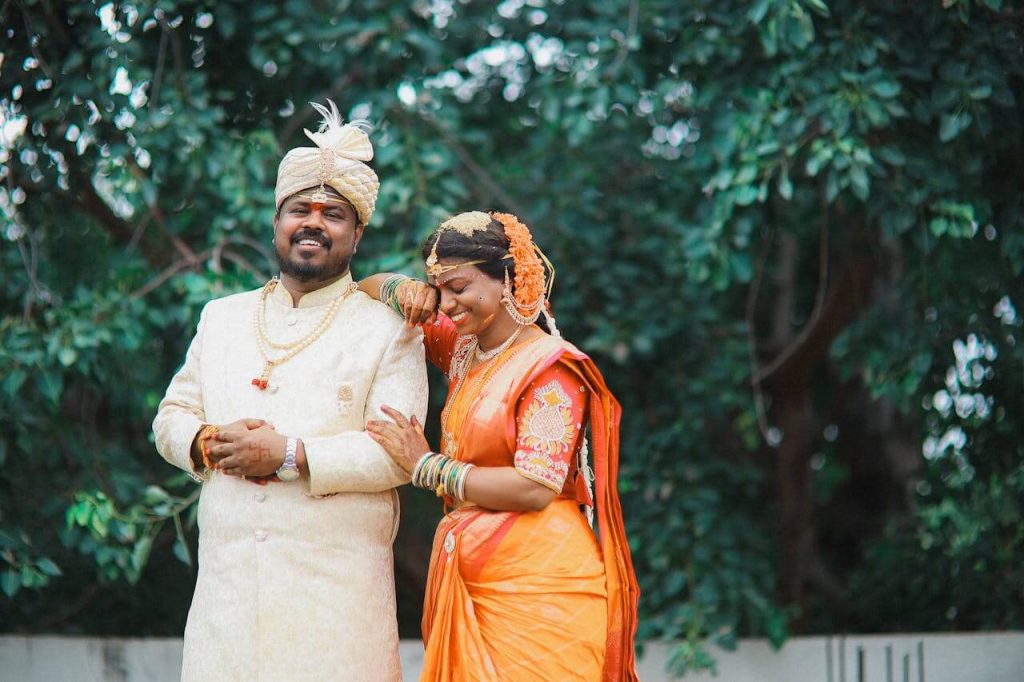
Culturally, the mangalsutra is tied to marriage, commitment, and lifelong partnership. It carries ideas of devotion, protection, responsibility, and belonging. For many women, it marks a shift in identity as much as a change in relationship status. It signals crossing a line from individual independence into shared life, shared roles, and shared expectations.
Because of that weight, when a mangalsutra appears in a dream, it rarely shows up as just jewelry. It carries emotional gravity. It represents bond, permanence, and emotional anchoring. It can also carry pressure, responsibility, and the feeling of being seen or defined through a role rather than choice.
For an unmarried girl, dreaming of a mangalsutra often points to inner negotiation. Between freedom and commitment. Between personal timing and outside expectations. Between curiosity about partnership and resistance to being placed into a role too soon. The dream reflects how you currently relate to intimacy, long-term attachment, and the social or family narratives surrounding marriage, even if you don’t consciously think about them during the day..
Thoughts About the Future and Social Expectations
Sometimes the meaning is simple. If marriage has been coming up around you, maybe family conversations, social pressure, friends getting engaged, your mind may be processing all of that through a familiar cultural image.
In this case, the mangalsutra acts as a container for thoughts you haven’t fully sorted yet. Hopes, doubts, curiosity, resistance. All of it gets folded into one object because it’s easier for the mind to work with a symbol than a thousand half-formed emotions.
Emotional Security and the Need for Stability
Not every mangalsutra dream is about marriage itself. Often, it’s about the kind of connection the symbol stands for.
Dreaming of a mangalsutra can point to a desire for emotional safety. Being chosen. Feeling held in a relationship where loyalty and care are mutual. Even if you don’t want marriage right now, the longing for depth and stability can still exist.

When Pressure Shows Up in the Dream
If the dream left you uncomfortable, tense, or trapped, that feeling is important.
For many unmarried women, the mangalsutra carries expectations. Family timelines. Social comparisons. The sense that something should already be decided. When those pressures aren’t fully acknowledged during the day, they often surface at night.
In this version of the dream, the mangalsutra reflects the weight of expectation rather than desire. It shows the tension between independence and tradition, between personal timing and outside voices.
Positive Emotional Tone in the Dream
Not every mangalsutra dream carries stress. Some feel warm. Reassuring. Even comforting. In those cases, the symbol can reflect openness rather than pressure. A sense that love, partnership, or stability feels possible at some point, without urgency attached. There’s no demand for timing. Just the feeling that connection belongs somewhere in your life story.
The Feeling Matters More Than the Symbol
The object itself doesn’t hold the answer. The emotional tone does.
If you felt calm, hopeful, or grounded, the dream likely connects to readiness or curiosity.
If you felt anxious or resistant, it points to pressure or conflict around expectations.
If you felt detached, it may simply be your mind exploring an idea without emotional charge.
What This Dream Is Really Asking You
Dreaming of a mangalsutra as an unmarried girl reflects your current relationship with commitment, tradition, intimacy, and personal choice. It brings forward emotions that often stay unspoken during the day, especially those shaped by expectations, timing, and inner readiness.
This kind of dream isn’t pointing toward a fixed outcome or future event. It highlights an inner state. A moment where values, desires, and pressure intersect.
Sitting with that feeling, rather than trying to interpret it as a sign, tends to reveal more than the symbol itself ever could.