



In Feng Shui and Chinese tradition, a groundbreaking ceremony marks the first disturbance of the land before construction begins. The ceremony acknowledges the land, asks for a safe construction process, and chooses an auspicious moment for the building of the new home to begin.
The ritual can be elaborate or simple. The important parts are choosing the date, preparing the site, making offerings, and ceremonially breaking the ground before ordinary construction starts.
Choosing an Auspicious Date
Date selection is one of the most important parts of a traditional groundbreaking ceremony. A Chinese almanac, commonly called the Tong Shu or Tong Sheng, identifies dates considered favorable or unfavorable for activities such as construction, renovation, moving, and breaking earth.
The homeowner’s Chinese zodiac sign may also be considered. A date that directly clashes with the owner’s animal sign is traditionally avoided.
For a personalized date, a Feng Shui practitioner may consider the birth details of the homeowners, the orientation of the property, and the type of work being started.
Construction is also traditionally avoided during certain dates associated with unfavorable earth-moving energy. Some families avoid beginning major construction during Hungry Ghost Month as well.
Preparing the Land
Before the first soil is removed, clear rubbish, dead vegetation, broken materials, and anything left behind by previous occupants or structures.
The history of the property can also influence how much preparation is done. Land containing an abandoned building, ruins, graves, or associations with traumatic events may receive a more extensive cleansing before construction.
Some ceremonies include walking around the property with incense or sprinkling salt and rice around the site. Customs vary between families, regions, and Feng Shui traditions.
Offerings Before Breaking Ground

An offering table may be set up on the property before digging begins. Traditional offerings can include incense, tea, fruit, rice, cakes, wine, and other foods.
These offerings acknowledge the Earth and the spiritual beings traditionally associated with the land. Depending on the family’s religious and cultural background, prayers may be directed toward the Earth God or other deities and ancestors.
The homeowner can also state the purpose of the ceremony: building a safe home, protecting the people working on the property, and wishing prosperity and peace for those who will eventually live there.
Breaking the Ground
After the offerings and prayers, the ceremonial first dig takes place. The homeowner, developer, builder, or another person chosen for the ceremony uses a shovel to remove the first soil. In larger ceremonies, several people may participate, each turning a small amount of earth.
The exact location of the first dig can be selected according to Feng Shui calculations. This becomes especially important when traditional date selection considers both time and direction, since certain sectors may be avoided on a particular day.
Once the ceremonial digging has been completed, regular excavation and construction can begin.
Red and Gold at the Ceremony
Red is commonly used during Chinese ceremonies because of its association with good fortune, celebration, and protection. Red ribbons may be tied around shovels, machinery, or ceremonial objects.
Gold is associated with wealth and prosperity, so red and gold decorations are common choices when the groundbreaking is treated as a larger family event.
There is no requirement to buy a red or gold shovel. A clean ceremonial shovel decorated with ribbon is enough if you want to incorporate these colors.
Coins and Other Auspicious Objects
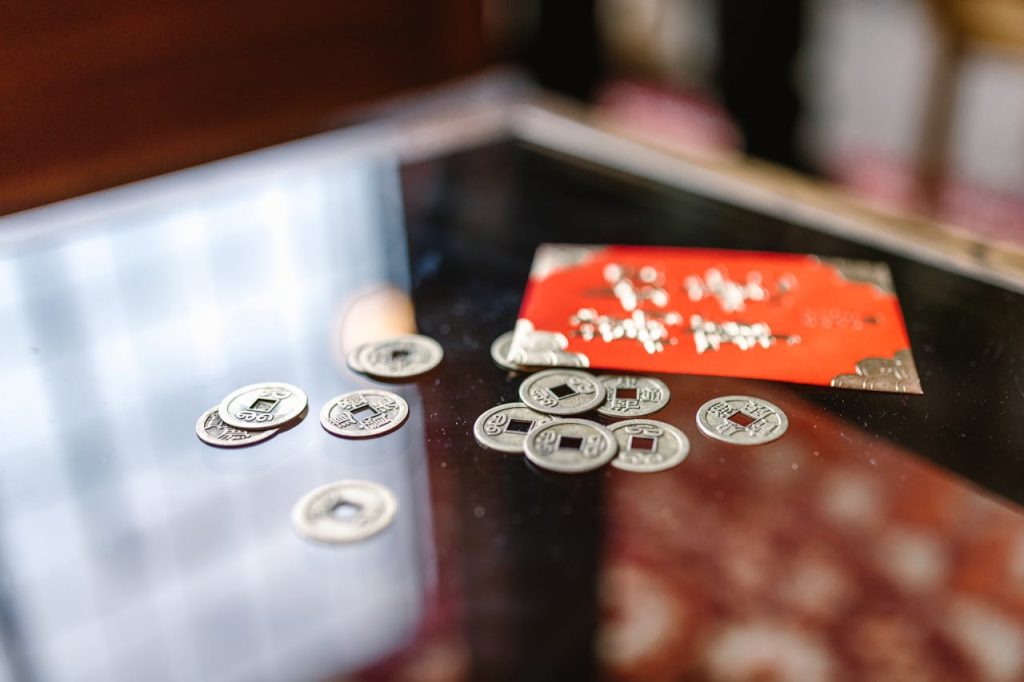
Some homeowners place auspicious objects beneath the building or incorporate them into the property during construction.
Five Emperor Coins are one Feng Shui object associated with protection and prosperity. Coins, written blessings, or other culturally significant objects may also be used according to family tradition.
Anything placed beneath flooring, inside walls, or near the foundation should be discussed with the builder first. Objects should never interfere with waterproofing, structural work, utilities, or building regulations.
After the First Dig
Food may be shared after the ceremony with family members, builders, and other participants. In Chinese tradition, sharing a meal accompanies many important beginnings and turns the groundbreaking into a celebration as well as a ritual.
The offerings can then be removed according to the custom being followed, and construction proceeds normally.
Before Construction Begins
A groundbreaking ceremony is only one part of Feng Shui planning for a new house. The orientation of the building, front-door direction, surrounding landforms, floor plan, bedroom positions, kitchen, stairs, and movement of chi through the property all become relevant as the design develops.
If you want to perform a simple ceremony, choose an auspicious date, clean the site, prepare offerings, burn incense or say a prayer, and ceremonially remove the first soil before excavation begins. The ritual marks a clear beginning: the empty plot becomes the site of your future home.
More Feng Shui Tips for a New Home
- Why a Bed in the Corner Is Bad Feng Shui (and How It Affects You)
- Feng Shui Fertility Symbols: Creating a Home That Supports Conception
- Feng Shui and Deceased Belongings: Should You Keep Them?
- Unlucky House Numbers According to Feng Shui and Numerology
- Best Days of the Week to Buy a Car According to Feng Shui