


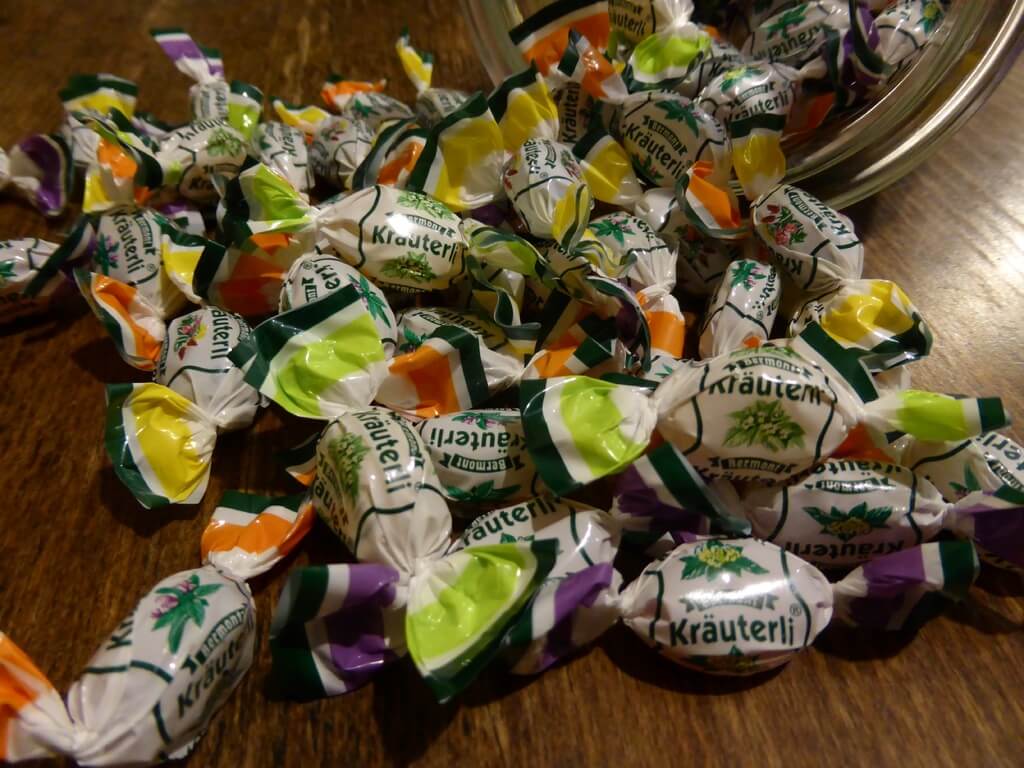
Cough drops have a habit of sticking around. You buy a bag during flu season, use a few, and the rest disappear into a drawer or medicine cabinet. Months or even years later, you find them again and wonder whether they’re still okay to use.
Expired cough drops are usually safe to consume, but that doesn’t mean they’re still useful. Safety and effectiveness are two different things, and this is where most confusion comes from.
This article explains what expiration dates on cough drops actually mean, what changes over time, and when it’s better to throw them away rather than rely on them.
Is It Safe to Eat Expired Cough Drops?
In most cases, yes. Eating expired cough drops is unlikely to cause harm. They don’t suddenly become toxic once the expiration date passes, and serious side effects from expired lozenges are extremely rare.
The real issue is loss of effectiveness, not safety. Over time, the active ingredients that soothe your throat or suppress coughing gradually break down. That means expired cough drops may taste fine but do very little to relieve symptoms.
That’s why they’re generally not recommended after expiration. Not because they’re dangerous, but because they may not work.
That said, there are situations where you should not use them at all. If a cough drop looks melted, unusually sticky, discolored, or smells off, it’s best to discard it. Texture and smell changes are stronger indicators than the printed date.
If you have allergies, asthma, diabetes, or other chronic conditions, it’s also smart to check with a healthcare professional before using expired products, even mild ones.
What Cough Drops Are Made Of
Cough drops are over-the-counter products meant to ease irritation, not treat the underlying cause of a cough. Their role is simple: reduce discomfort in the throat and suppress the urge to cough for short periods.
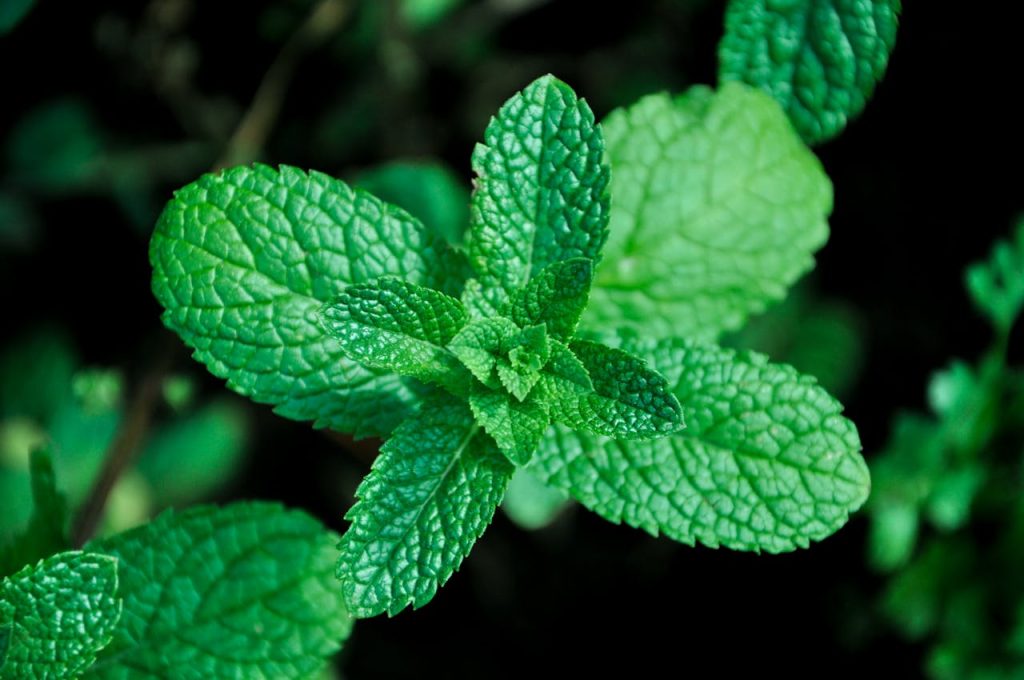
Most cough drops rely on menthol for its cooling effect, along with sweet bases like honey or sugar syrups that coat the throat. Many also use herbal elements such as eucalyptus or peppermint to enhance the soothing sensation.
These components are generally stable and safe, which is why cough drops don’t spoil in the same way food does. That stability, however, doesn’t mean they remain equally effective forever.
Do Cough Drops Really Expire?
Yes, cough drops do expire, but the expiration date does not mean they become unsafe overnight.
The date printed on the packaging indicates how long the manufacturer guarantees full potency and quality. After that point, they can no longer ensure the same level of relief.
In practice, many cough drops remain usable beyond their expiration date, especially if they were stored properly. Still, potency slowly declines, and there’s no reliable way to know how much effectiveness is left.
What Affects Shelf Life?
Several factors influence how long cough drops remain effective.
Storage matters. Heat, humidity, and sunlight speed up ingredient breakdown. Cough drops kept in a cool, dry place last longer than those left in a car or bathroom.
Packaging matters. Individually wrapped lozenges or airtight containers protect against moisture and air exposure. Loose bags break down faster.
Ingredients matter. Products with natural ingredients, honey, or herbal extracts may lose effectiveness sooner than fully synthetic formulas.
Manufacturing quality matters. Established brands with consistent quality control tend to maintain potency longer than cheaper alternatives.
Will Expired Cough Drops Still Work?
Sometimes, but not reliably.
Expired cough drops may still provide mild soothing for a short period, especially if they’re only slightly past the expiration date. However, the longer they sit, the weaker the effect becomes.
If you’re dealing with persistent coughing, sore throat pain, or illness, relying on expired drops is usually frustrating. Fresh ones simply work better.
Natural Alternatives That Still Help

If you’d rather skip expired products altogether, these natural options can provide real relief.
- Honey coats the throat and reduces irritation. It’s one of the most effective natural remedies for coughs.
- Ginger supports immune response and helps reduce throat inflammation when steeped in hot water.
- Peppermint contains natural menthol and can ease congestion through tea or steam inhalation.
- Marshmallow root forms a protective layer over irritated tissue, reducing dryness and discomfort.
- Garlic has antibacterial properties and is often combined with honey for throat support.
Expired Doesn’t Always Mean Unsafe
Expired cough drops from brands like Halls or Ricola are generally safe to eat, but they often lose the ability to provide meaningful relief. If they look normal and smell fine, they’re unlikely to cause harm, but they may not help much either.
For best results, use cough drops before their expiration date and store them properly. If symptoms persist or worsen, fresh remedies or professional medical advice are always the better option.
Expired cough drops can get you through a pinch, but they shouldn’t be your first choice when relief really matters.