


For a long time, wellness was fairly straightforward. Most people stuck to the basics: vitamins, minerals, maybe a few herbal supplements. Over the past few years, that has started to shift. More people are paying attention to how products are made, where ingredients come from, and whether what they’re taking is actually what the label says it is.
This change didn’t happen overnight. It developed gradually, as people started paying closer attention to what they were actually buying and using. Questions around sourcing, ingredient quality, and label accuracy became more common, and expectations started to shift. Instead of relying only on brand claims, people are looking for clear, verifiable details.
Quality Is No Longer Optional
One of the biggest shifts in the supplement space is the emphasis on quality. It’s no longer enough for a product to list an ingredient. People want to know how pure it is, whether it has been tested, and how consistent it is from one batch to another.
Third-party lab testing has become especially important. When a product is independently verified, it gives a level of reassurance that marketing alone cannot provide. Many higher-quality products are supported by batch testing and certificates of analysis (COA), which confirm purity, identity, and consistency. In some cases, this also includes detailed purity testing to ensure the compound meets defined standards.
The same goes for manufacturing standards. Products made in controlled, registered facilities, such as those following GMP (Good Manufacturing Practice), tend to carry more credibility, particularly among informed consumers.
This focus on quality is not limited to traditional supplements. It now applies to a wider range of compounds, including those that were not originally designed with mainstream wellness use in mind.
Curiosity Is Driving New Trends
There’s also growing interest in compounds that most people hadn’t even heard of a few years ago. Some come from scientific or veterinary use, which makes them unfamiliar and sometimes difficult to place.
That doesn’t mean they’re widely accepted or fully understood. In many cases, people are simply trying to figure them out. Reading, comparing, and looking for clarity. That curiosity reflects a broader shift, as people want to understand what they’re putting into their bodies.
Fenbendazole is one example of a compound that has started to attract attention. Not as something mainstream, but as something people are trying to understand, especially when it comes to sourcing and quality.
The Importance of Clear Positioning

When a product exists outside standard supplement categories, the way it is presented matters a lot. Clear positioning helps avoid confusion and sets the right expectations.
Responsible companies tend to avoid exaggerated claims. Instead, they focus on what can actually be verified, such as purity levels, lab testing, and manufacturing conditions. This approach allows people to make decisions based on facts rather than marketing promises.
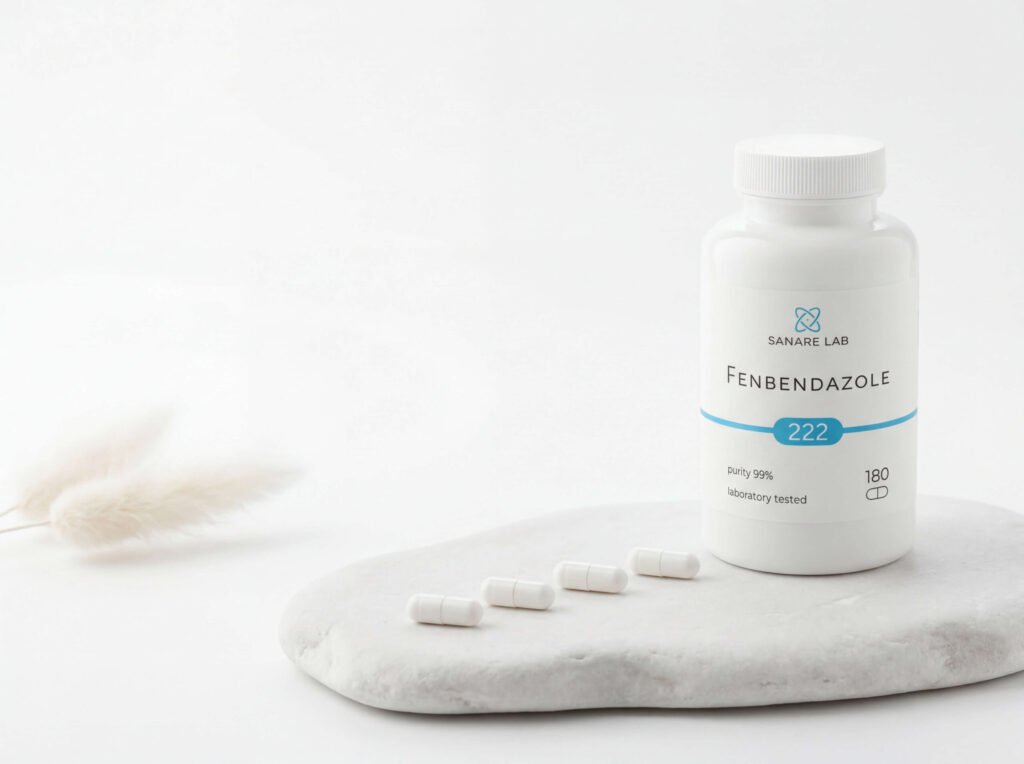
For example, some products are offered in capsule form with a strong emphasis on high purity and independent testing. In those cases, the conversation is less about what the product does and more about how it is made. You can see this approach in products like fenbendazole 222 mg, where quality standards take priority over bold health claims.
Knowing Where the Line Is
There’s an important line that shouldn’t get blurred when talking about compounds like this. Not everything fits into standard supplement categories, and that changes how it should be presented.
With fenbendazole, the focus stays on quality. Purity, consistency, and how the product is manufactured and tested carry more weight than anything else.
That’s why transparency carries real weight. When a product is backed by clear lab testing and defined production standards, it gives people something real to evaluate instead of relying on assumptions.
A more responsible approach sticks to what can be verified, how the product is made, how it’s tested, and how openly that information is provided.
Higher Expectations from Buyers
What’s changed most is how closely people look at the details. It’s no longer enough for a product to exist, it has to hold up to closer scrutiny.
Questions around purity, batch consistency, and testing are becoming standard. People want clear answers, not vague descriptions. They look for specifics, where the product is made, how it’s tested, and whether those standards stay consistent over time.
This shift has raised the bar across the board. Products that can clearly show their quality stand out. Those that can’t are easier to overlook.
A More Informed Approach to Wellness
What we’re seeing now is a more informed and selective approach to wellness. People are less likely to accept vague claims and more likely to look for specific details.
This doesn’t mean every new compound is worth exploring, but it does mean that the criteria for evaluating products have become stricter. Purity, transparency, and consistency are no longer optional.
What Defines Quality Now
The supplement space is changing, and expectations are rising with it. Clear information, higher standards, and more careful choices are becoming the baseline.
Fenbendazole sits within that shift. It exists outside traditional categories, where attention moves toward sourcing, purity, and how the product is handled from start to finish.
What stands out now is clear: people want clarity. They want to know what they’re getting and how it’s made. That focus on transparency and consistent quality is shaping what comes next in wellness.