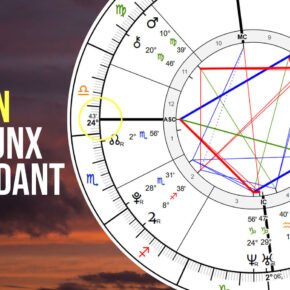



Jupiter square Pluto in synastry creates a powerful connection marked by strong opinions, ambition, attraction, and occasional power struggles. The Jupiter person may challenge the Pluto person’s need for control, and the Pluto person may question Jupiter’s ambitions, values, or worldview.
This aspect can bring disagreements about religion, money, personal freedom, and future plans. Both people may want to influence each other’s decisions, particularly if they have very different ideas about success or how a relationship should work.
Jupiter represents expansion, optimism, education, and personal beliefs, whereas Pluto rules power, control, obsession, and transformation. A square is a 90-degree aspect that creates friction between these planetary influences.
Jupiter and Pluto: The Dynamic Between Two Partners
In Jupiter square Pluto synastry, the Jupiter person usually encourages growth, exploration, and taking chances. They might want to travel, study abroad, start a business, or pursue an ambitious career.
The Pluto person may question these plans, examine the risks, or become concerned about losing control over their shared circumstances.
For example, Jupiter might want to move abroad for a promising job opportunity, but Pluto could resist leaving behind their family, career, or financial security. Jupiter may see Pluto as controlling or pessimistic, and Pluto may consider Jupiter irresponsible or overly optimistic.
These differences can create arguments, particularly if either partner tries to make decisions for both people.
Power Struggles and Different Beliefs
Power struggles are a major theme of this square. Both partners may have strong convictions and want the other person to agree with them.
Jupiter rules philosophy, religion, higher education, and personal beliefs. Pluto is associated with influence, control, and deeply held convictions. Their square can create disagreements about subjects that each person considers important.
For example, the Jupiter person might have strong religious beliefs, and Pluto may constantly question them. Or Jupiter might believe that financial success comes from taking risks, and Pluto may insist on controlling every financial decision.
The Pluto person can become overly critical of Jupiter’s opinions, and Jupiter may respond by defending their views even more strongly.
Arguments can turn into competitions over who knows more, who has better judgment, or who should have the final say.

Attraction, Obsession, and Jealousy
Jupiter square Pluto can create fascination between two people, particularly if other synastry aspects support romantic or sexual attraction.
The Jupiter person may admire Pluto’s confidence, determination, or mysterious personality. Pluto may be attracted to Jupiter’s optimism, intelligence, or adventurous nature.
The connection can become intense because each person challenges something important in the other. Jupiter may encourage Pluto to take risks, and Pluto may introduce Jupiter to subjects or experiences they’ve never considered.
However, Pluto’s association with obsession and possessiveness can complicate the relationship. The Pluto person might become jealous of Jupiter’s social life, friendships, or desire for independence. Jupiter may resist restrictions and become increasingly determined to maintain their freedom.
Money, Ambition, and Financial Control
Jupiter and Pluto are both associated with wealth and power, but they approach money a bit differently. Jupiter rules prosperity, expansion, and financial opportunities, whereas Pluto is connected to investments, shared resources, debts, and control.
In Jupiter square Pluto synastry, money can become a source of arguments, particularly if the partners have different attitudes toward financial risks. The Jupiter person might want to invest in a business, buy an expensive property, or borrow money to fund an ambitious project. Pluto may question the decision, demand control over the finances, or become suspicious of Jupiter’s spending habits.
Both partners may also become obsessed with achieving financial success, pushing each other to earn more, invest more, or pursue increasingly ambitious goals. This can benefit a couple running a business together, but it can also lead to debts, risky investments, or arguments over who controls the money.
Long-Term Relationship Potential
Jupiter square Pluto can work in a long-term relationship, particularly if the couple has supportive Moon, Venus, Saturn, or Sun aspects elsewhere in their synastry.
This square can motivate both partners to pursue ambitious goals together, such as building a business, moving abroad, or investing in property. However, disagreements may arise if the Jupiter person wants more freedom and the Pluto person tries to control important decisions.
Keep in mind, though, that Pluto is a generational planet, meaning people born within several years of each other have Pluto in approximately the same position. If your Jupiter squares Pluto in synastry, you may share this aspect with many people from your partner’s generation. Its influence becomes more personal if Pluto also aspects your Sun, Moon, Venus, Mars, or Ascendant.
The houses involved are important, too. A square across the 2nd and 8th houses may bring arguments about money, whereas the 3rd and 9th houses can indicate disagreements about religion, education, or living abroad.
Jupiter square Pluto alone says very little about whether a couple will stay together. The rest of the synastry chart, particularly the personal planets and Saturn aspects, gives a clearer picture of compatibility and long-term commitment.
More Synastry Aspects
- Neptune Sextile Pluto Synastry: The Deep-Rooted Connection
- Saturn Conjunct Pluto Synastry: Power, Pressure, and Transformation
- Uranus Sextile Pluto Synastry: Change Without Collapse
- Mars Square Pluto: Power, Pressure, and the Strength to Transform