


A few days after my birthday, I went to a park and sat on a bench. The afternoon carried the kind of weather that makes people linger outside a little longer than they intended. Children raced across the grass, cyclists drifted along the paths, and a few dogs conducted their daily investigations of every tree and lamppost in sight.
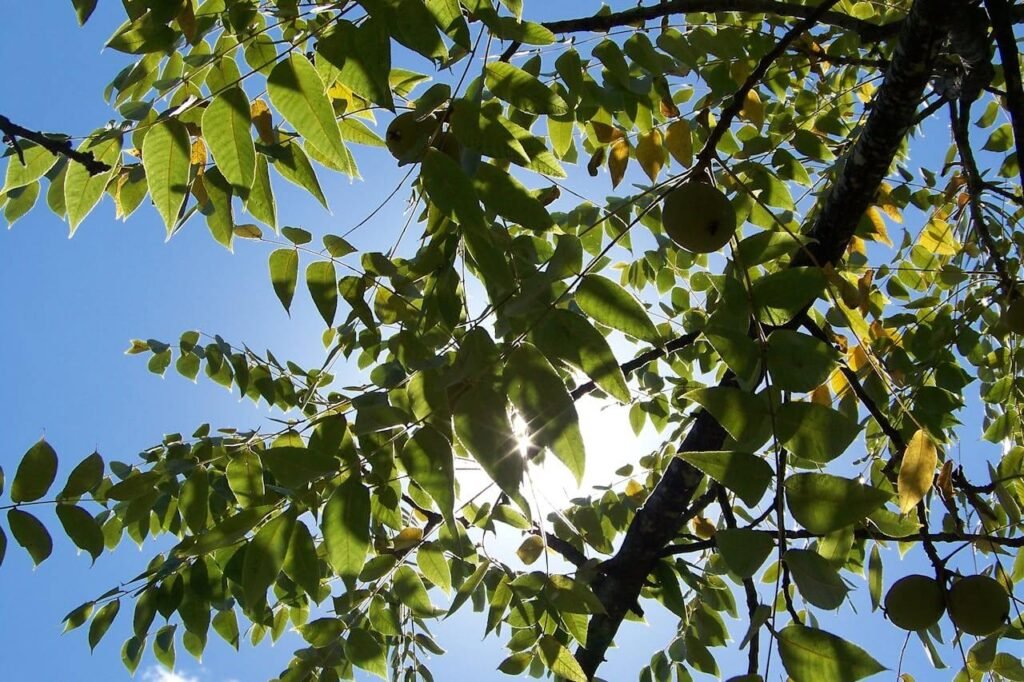
As I sat there, I found myself paying attention to details that usually pass unnoticed. The shadows stretched farther across the ground with each passing minute. A breeze moved through the leaves in uneven waves. Conversations floated through the air and disappeared again before I could make out more than a few words.
The longer I sat, the more I noticed the people around me. Many of them were older. They occupied benches throughout the park, facing ponds, pathways, flower beds, or simply the open space in front of them. Some watched people pass by. Others seemed content to follow the slow rhythm of the afternoon itself.
For most of my life, I looked at scenes like that and assumed those benches served as a place to rest for a while before moving on to something else. Sitting there that day, a different interpretation came to mind.

Why Old People Sit Outside Just to Sit Outside
I think old people sit outside just to sit outside because they have developed a relationship with time that younger people almost never possess.
When you’re younger, time feels abundant. Hours arrive with the expectation that they should be filled, shaped, improved, organized, or transformed into something useful. A free afternoon often becomes an opportunity for errands, plans, goals, projects, or preparation for whatever comes next.
As the years pass, the texture of time changes. An afternoon becomes more than an empty space between appointments. It becomes something worth experiencing for its own sake.
Watching the people around me, I found myself wondering about the lives behind those park benches. How many summers they could remember. How many homes they had lived in. How many friendships had lasted decades. How many people they had loved and missed. How many chapters of life they had already moved through.
After enough years, perhaps an ordinary afternoon begins to feel different. A patch of sunlight, a familiar park, and an hour with nowhere particular to be may carry a value that younger people never notice while their attention is fixed on what comes next.
From Constant Motion to Appreciation
Much of early adulthood revolves around movement. Education leads to work. Work leads to new ambitions. One goal opens the door to another. Life gains momentum, and momentum has a way of carrying us forward whether we consciously choose it or not. There is excitement in that phase of life. Curiosity thrives there. Growth thrives there too.
Yet somewhere along the way, another skill begins to emerge. Instead of focusing exclusively on what comes next, you become more aware of what is already here. A pleasant afternoon, a familiar street, a conversation with a friend, or an hour spent outdoors starts carrying a different kind of value.
Obviously, turning 30 hasn’t transformed me into a philosopher sitting on a park bench every day. It has, however, made me more aware of how quickly years accumulate. Twenty-five feels recent. So does twenty-seven. Events that once seemed distant now sit surprisingly close together in memory. That awareness changes the way you spend your attention.
What Older People Already Know
Watching those older people in the park, I realized they may have discovered something that takes decades to fully appreciate.
Life contains countless experiences that ask for effort, planning, problem-solving, and persistence. Careers require it. Families require it. Moving through the world requires it. An afternoon in the sun asks for something entirely different. It asks for participation.
The people sitting on those benches weren’t extracting value from the moment. They were enjoying the value that already existed within it. The warmth of the air, the movement of people through the park, the changing light, and the simple pleasure of being present for another ordinary day seemed entirely sufficient. There is something remarkably elegant about that.
The Gift Hidden in an Ordinary Afternoon
I’ve spent much of my adult life collecting experiences. I’ve traveled solo to nearly 50 countries, lived abroad, learned languages, and pursued goals that once felt impossibly distant. Every one of those experiences shaped me in meaningful ways.
Yet one of the moments that has stayed with me most recently involved a park bench and a couple of unremarkable hours on an ordinary day. That realization caught me by surprise.
For years, I viewed life primarily through the lens of accumulation. More places visited. More skills learned. More projects completed. More stories collected.
Sitting in that park introduced another possibility. Some of life’s richest moments arrive exactly as they are, without requiring improvement, documentation, or achievement.
The Lesson I’m Keeping
Now, when I see older people sitting outside, I see something different than I did before.
I see people who understand the value of an afternoon, who recognize that a pleasant day deserves attention, who have spent enough years moving through life to appreciate the simple experience of inhabiting it.
As I step into my thirties, that’s the lesson I hope to carry with me. I still want adventures, goals, new countries, and new experiences. Curiosity remains one of my favorite ways to move through the world.
At the same time, I want more afternoons like the one that inspired this article. More time spent outdoors without checking the clock. More moments where I can simply watch people pass by, notice the changing light, and enjoy being exactly where I am. Because sometimes an afternoon doesn’t need a purpose beyond being fully lived.
More Stories Like This
- Why I Love Animals More Than Humans (And I’m Not Sorry About It)
- Has Social Media Ruined Dating? Here’s What I Think
- Why Wearing Your Shirt Inside Out Is Considered Good Luck
- Why Buying Yourself an Evil Eye Is Not Bad Luck or Karma