

If you’ve recently started learning astrology, you’ve probably found out your Sun sign first. It’s the zodiac sign based on your birth date and the one you’ll see in daily horoscopes, on Pinterest, or on TikTok, often reduced to stereotypes and oversimplified personality traits. But your Sun sign is only one piece of your birth chart.
To understand your personality more accurately, we astrologers start by looking at your Big Three: your Sun sign, Moon sign, and Rising sign (Ascendant). Together, these three placements describe your identity, emotional nature, and the way other people experience you.
Once you understand your Big Three, the rest of your natal chart becomes much easier to interpret.
The Big Three at a Glance
Your Big Three are the three most important placements in your birth chart: your Sun sign, Moon sign, and Rising sign. Each one reveals a different part of your personality, and together they create the foundation of your natal chart.
One of the easiest ways to understand how they work together is to picture your birth chart as a house.
- Your Rising sign is the front door. It’s the first part of you other people experience.
- Your Sun sign is the main living space. It reflects your identity and the qualities you’re here to develop.
- Your Moon sign is the room where you can completely relax. It represents your emotional world, instincts, and the things that make you feel safe.
Each serves a different purpose, and together they create a much fuller picture of who you are.
Sun Sign: Your Identity and Life Direction
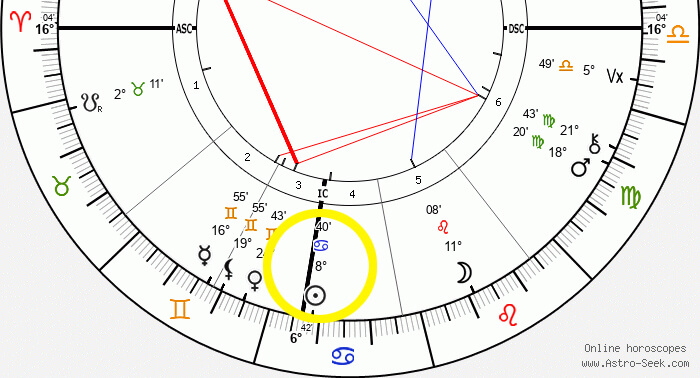
Your Sun is the center of your birth chart. It represents your identity, confidence, life force, and the qualities you’re developing throughout your lifetime. When someone says, “I’m a Virgo,” they’re talking about their Sun sign.
Although it’s the most well-known placement in astrology, it doesn’t describe your entire personality. It just shows the traits that help you become your most authentic self.
For example:
- Leo Sun people usually feel most alive when they’re creating, leading, entertaining, or expressing themselves openly. They naturally bring energy into a room and often inspire others simply by being themselves.
- Taurus Sun people usually build their lives step by step. They value stability, comfort, loyalty, and things that stand the test of time.
- Scorpio Sun people aren’t simply “mysterious.” They’re interested in understanding what lies beneath the surface. They often grow through intense experiences that completely change their perspective.
The Sun also represents vitality, ambition, personal purpose and, in traditional astrology, father figures or masculine influences.
Most importantly, your Sun sign shows who you’re becoming as you grow into your own identity.
In predictive astrology, transits to your Sun can also reflect your physical vitality. Challenging aspects from Saturn, Pluto, Neptune, or Uranus often coincide with lower energy or increased physical strain. The sign your Sun occupies can point to the parts of the body that deserve extra attention.
For example, Saturn square a Gemini Sun may coincide with increased sensitivity involving the lungs, nervous system, shoulders, or arms. Jupiter opposite a Virgo Sun can sometimes amplify digestive issues or stomach-related concerns.
Moon Sign: Your Emotional Nature
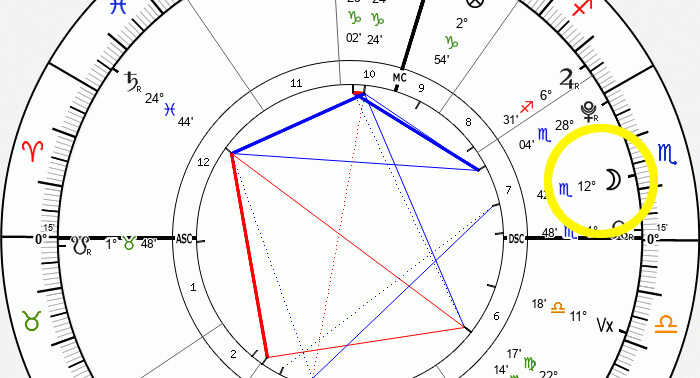
If your Sun describes who you are, your Moon describes how you feel.
Your Moon sign rules your emotional reactions, instincts, habits, and the things that help you feel emotionally secure. It’s often the side of yourself that only close friends, family members, or partners get to know.
Different Moon signs need different things to feel balanced.
For example:
- Cancer Moon people usually need emotional closeness, familiar surroundings, and meaningful relationships. They’re highly responsive to the feelings of the people they care about.
- Aquarius Moon people often process emotions through logic first. They usually need independence and room to think before opening up emotionally.
- Pisces Moon people tend to absorb the atmosphere around them. Many recharge through creativity, music, spirituality, or time alone.
Your Moon sign also describes your nurturing style, childhood emotional patterns, and what brings you comfort after a stressful day. It is also associated with motherhood, feminine energy, memory, and natural cycles.
In predictive astrology, the Moon is one of the most sensitive points in the birth chart. Challenging transits to the Moon often show up emotionally before anything else. Depending on the planet involved, they can coincide with sadness, anxiety, emotional exhaustion, mood swings, loneliness, or feeling disconnected from yourself or the people around you. The Moon responds quickly to planetary influences, which is why even short transits can be felt surprisingly strongly.
Rising Sign: The First Impression You Give
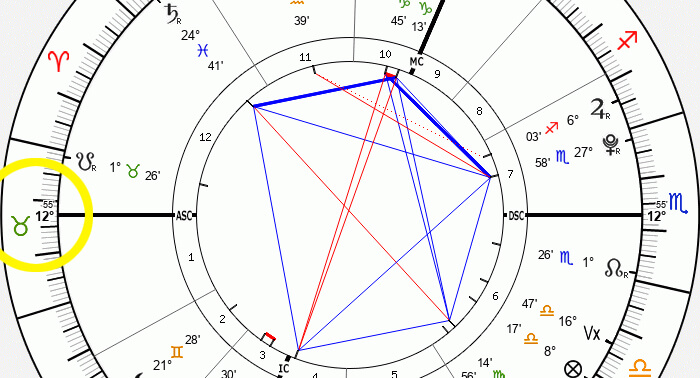
Your Rising sign, also called your Ascendant, is one of the most important parts of your birth chart. It describes how you approach life and how other people experience you during first meetings.
Many people mistakenly think the Rising sign is a mask or a fake personality. It isn’t. It’s the energy that naturally comes across before people get to know your Sun and Moon.
For example, imagine someone with:
- Gemini Sun
- Taurus Moon
- Pisces Rising
Their Gemini curiosity and Taurus reliability may become obvious later, but the first thing many people notice is the soft, compassionate, and slightly dreamy presence often associated with Pisces Rising.
Physically, Pisces Rising is linked to expressive or striking eyes, fluid body language, and a relaxed, almost gliding way of walking, as Pisces traditionally rules the feet. Many people with this Ascendant also have a naturally approachable presence that makes others feel comfortable opening up to them.
This is why people are often surprised when someone doesn’t “act like their Sun sign.” More often than not, it’s the Rising sign people notice first.
Why Your Exact Birth Time Changes Everything
Unlike the Sun, which changes signs about once a month, the Rising sign changes roughly every two hours.
That’s why your exact birth time is essential when calculating a birth chart.
Without it, you usually can’t determine:
- your Rising sign
- your twelve astrological houses
- your chart ruler
If your birth time is unknown, your Sun and Moon can often still be calculated, but your chart won’t be complete. In some cases, your Moon sign may also be uncertain because the Moon moves relatively quickly through the zodiac. If you were born close to the moment it changed signs, even a difference of a few hours could place your Moon in a different sign, such as late Aries instead of early Taurus.
Your Rising Sign Chooses the Most Important Planet in Your Chart
Your Rising sign doesn’t just describe your appearance or first impression. It also determines your chart ruler, the planet we often pay the closest attention to when interpreting a natal chart or forecasting future transits.
The chart ruler acts like the main guide for your birth chart. Its zodiac sign, house placement, aspects, and transits reveal how your Rising sign expresses itself throughout your life.
For example:
- Libra Rising → Venus
- Aries Rising → Mars
- Scorpio Rising → Pluto (modern) or Mars (traditional)
- Aquarius Rising → Uranus (modern) or Saturn (traditional)
Imagine two people with Libra Rising. One has Venus in Leo in the 10th house, while the other has Venus in Capricorn in the 6th. Even though they share the same Rising sign, they’ll express it very differently because their chart rulers tell completely different stories.
When we forecast important life events, the chart ruler is usually one of the first planets they examine. A major transit to your chart ruler can coincide with changes involving relationships, career, health, identity, or the direction your life is taking.
Can Your Sun, Moon, and Rising All Be the Same Sign?
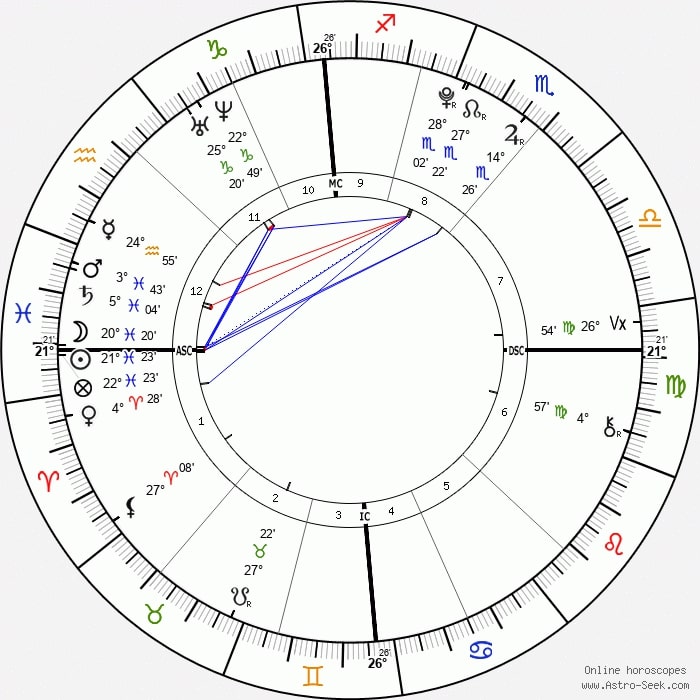
Yes, it’s possible, although you won’t come across it very often.
When someone’s Sun, Moon, and Rising all occupy the same zodiac sign, that sign becomes incredibly difficult to miss. It isn’t just part of their personality. It shapes the way they move through life, react emotionally, and come across the moment they walk into a room. There’s a consistency between who they are inside and what everyone else immediately sees.
After more than two decades of reading birth charts, I’ve only met a handful of people with all three in the same sign.
One client had Pisces Rising, a Pisces Sun in the 1st house, and a Pisces Moon in the 12th house. I hadn’t even looked at her chart when we first met, yet the Piscean energy was unmistakable. She spoke softly, absorbed every emotion in the room, and had that familiar distant look in her eyes, as though part of her attention was always somewhere beyond the physical world. Once I opened her chart, seeing all three placements in Pisces made perfect sense.
The Big Three Are Just the Beginning
Your Sun sign may be the placement everyone asks about, but it only tells part of the story. Your Moon explains how you experience emotions. Your Rising sign shows how you meet the world. Together, these three placements create the foundation of your natal chart.
If you’re just starting your astrology journey, learning your Big Three is one of the best places to begin. Once you understand how these three signs work together, the rest of your birth chart starts making much more sense.
Go Beyond the Big Three
- The Astrology of Looking Young: Planetary Clues in the Birth Chart
- Mars in Cancer: Driven by Feelings, Loyal for Life
- How Saturn Returns Karma to Others in Astrology
- Saturn Conjunct MC (Transit, Natal, Synastry): Career, Reputation, Karmic Timing