

The Hindu goddess Kali is often misunderstood. Her imagery is intense and unsettling to many outsiders, yet she is deeply revered by millions of devotees as a protective, maternal, and liberating force. This contrast between fearsome appearance and nurturing symbolism is one of the reasons Kali attracts both devotion and controversy.
The dangers of Kali worship arise mainly when her symbolism is taken literally, practiced without proper guidance, or approached through extreme or misinterpreted ritual frameworks. Here’s why.
Kali Worship and Tantra
Kali is associated with time, transformation, and the destruction of illusion. In Hindu traditions, she represents the force that dissolves ego and ignorance rather than violence for its own sake. However, some forms of Kali worship intersect with Tantric practices, which are complex and often misunderstood.
Tantra itself is not inherently dangerous. The risk comes from incomplete knowledge, unqualified teachers, or literal interpretations of symbolic practices.
Ritual Extremes and Misinterpretation

Blood Sacrifice
Historically, some sects practiced animal sacrifice in Kali worship. Today, this is largely limited to fringe groups. Most modern devotees offer symbolic sacrifices such as flowers, incense, food, or mantra recitation. Literal blood sacrifice is neither required nor encouraged in mainstream Hindu practice and can be harmful when misused.
Tantric Practices
Tantric rituals connected to Kali are highly symbolic and demand discipline, grounding, and ethical restraint. Without proper understanding, practices involving altered states of consciousness can lead to psychological distress rather than spiritual clarity.
This is why traditional systems emphasize long preparation, moral discipline, and guidance from a qualified teacher.
Right-Hand and Left-Hand Paths
Kali worship is commonly divided into two approaches. The right-hand path focuses on meditation, prayer, devotion, and inner transformation. This is the most widely practiced and culturally accepted form.
The left-hand path incorporates transgressive symbolism meant to break attachment and fear. When approached without maturity or guidance, this path carries higher psychological and ethical risk. Exploitation by self-proclaimed gurus is one of the real dangers associated with it.
Origins and Symbolism
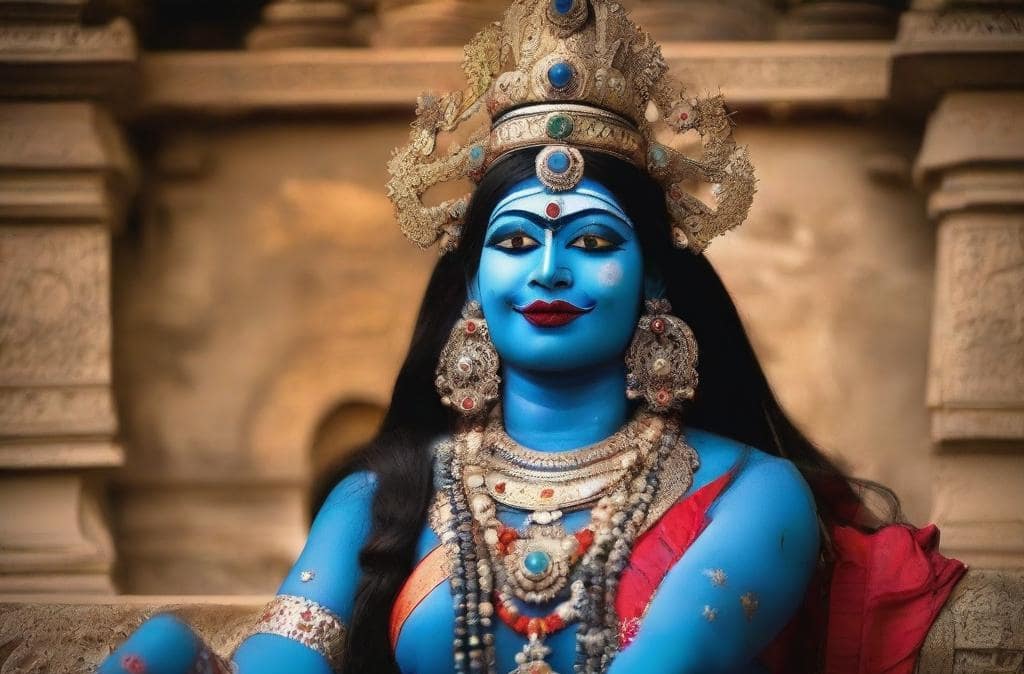
Kali’s imagery comes from mythological narratives where she emerges as a force that ends chaos when all other methods fail. Her necklace of heads, exposed tongue, and weapons symbolize the destruction of ego, ignorance, and illusion, not encouragement of violence.
Misreading these symbols as literal instructions rather than metaphors is where misunderstanding begins.
Modern Interpretations of Kali
Today, most Kali devotees emphasize her role as a protector, liberator, and embodiment of truth. She is often viewed as a mother figure who confronts fear directly rather than avoiding it.
That said, groups that isolate her imagery from broader Hindu philosophy sometimes emphasize power, dominance, or destruction in unhealthy ways. This selective focus is where spiritual imbalance can develop.
Why Kali Worship Can Be Risky
Kali worship can become problematic when it lacks balance, grounding, or ethical structure.

Psychological Strain
Practices centered on intense imagery, altered states, or ego dissolution can destabilize individuals who are not prepared. Spiritual exploration without emotional stability can amplify anxiety rather than resolve it.
Obsession with Power
Some people are drawn to Kali for the idea of strength and control. When that focus replaces humility and compassion, spiritual practice can turn into fixation rather than growth.
Loss of Personal Anchors
Symbolic ego dissolution is meant to increase awareness, not erase personal responsibility. Without grounding, individuals may struggle with identity, relationships, or everyday functioning.
Rare but Serious Consequences
In extreme cases, distorted interpretations of Kali’s symbolism have been linked to harmful behavior. These cases are rare, but they illustrate why discernment and context matter.
A Path That Requires Context and Respect
Kali is not a deity to fear, but she is not one to approach casually either. Her symbolism is meant to challenge illusion, not invite chaos. When worship is grounded in tradition, ethics, and guidance, it is not inherently dangerous.
Problems arise when symbolism is stripped of context and intensity replaces understanding.
Approaching Kali with humility, education, and balance is essential for anyone drawn to her path.
*The images in this article are for illustration purposes only.