

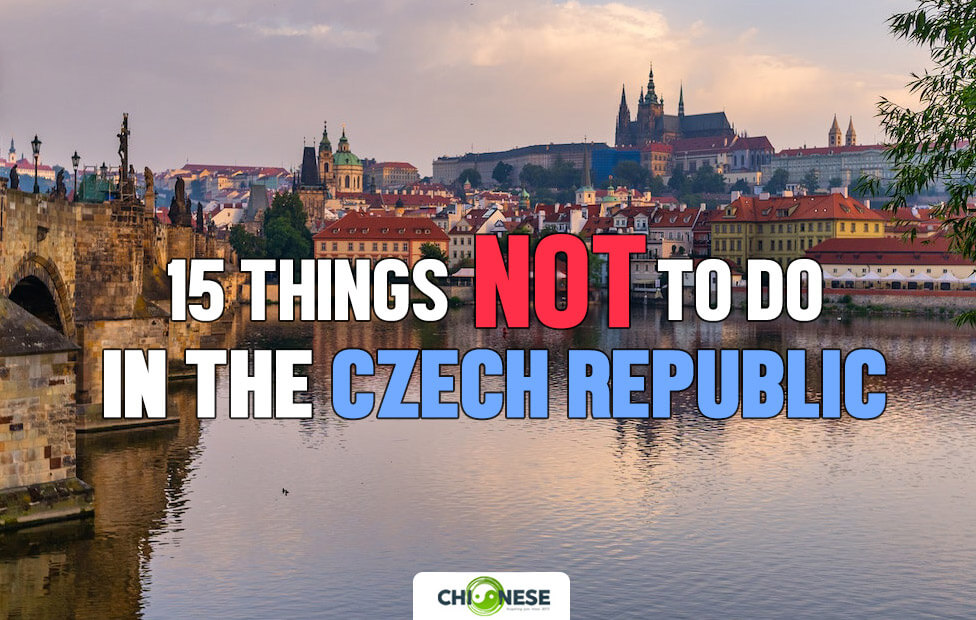
The Czech Republic is one of the safest and easiest countries to travel around in Europe, yet tourists still make the same mistakes again and again. Some are harmless and mildly embarrassing. Others can cost you money, annoy locals, or completely change how you experience the country.
A lot of visitors arrive expecting Prague to work exactly like Paris, London, or New York. It doesn’t. Czech culture is more reserved, less service-oriented, and much less performative than what many Americans are used to. People generally leave each other alone, respect personal space, and do not exaggerate friendliness with strangers.
That does not mean Czechs are rude. Quite the opposite. Once you understand the local habits, the country becomes much easier to navigate.
Here are some of the biggest mistakes tourists make in the Czech Republic and what you should avoid instead.
Don’t Assume Everyone Speaks English
Younger Czechs usually speak decent English, especially in Prague and larger cities. Outside tourist areas, the situation changes quickly.
Older generations grew up under communism, where Russian and German were taught more commonly than English. In smaller towns and villages, you may run into people who speak very little English or none at all.
Learning a few basic Czech phrases goes a long way:
- Prosím = Please
- Děkuji = Thank you
- Promiňte = Excuse me / Sorry
- Dobrý den = Good day
Even terrible pronunciation or badly used Czech swear words will usually get a better reaction than acting irritated that somebody does not speak fluent English.
Don’t Expect Everything To Stay Open Late
The Czech Republic is not as strict about Sunday closures as Germany or Austria. In bigger towns and cities, supermarkets, shopping centers, cafés, restaurants, and many tourist places are often open on Sundays.
The real difference is location and season. Prague, Brno, Český Krumlov, Karlovy Vary, and other tourist areas are easy. Smaller villages are different. A local pub may open only for lunch or evening drinks. A small museum, castle, bakery, or family-run restaurant may close earlier, open only on certain days, or change hours outside the main season.
Prague has long opening hours and a constant tourist flow, while smaller towns and villages follow a slower rhythm. If you plan to visit castles, local museums, nature areas, wineries, or family-owned restaurants outside major cities, checking opening hours in advance can save a lot of frustration.
Don’t Rely Only on Card Payments
The Czech Republic is very modern and card payments are accepted almost everywhere, including public transport, cafés, restaurants, supermarkets, and even many small convenience stores. Still, carrying some Czech cash is a good idea.
Farmers’ markets, village pubs, wine festivals in Moravia, seasonal stands, smaller castles, local bakeries, and public toilets may accept cash only. Outside larger cities, some local taxi drivers also prefer cash payments.
The local currency is the Czech koruna (CZK), not the euro.
Don’t Treat Czech Beer Like Light Beer
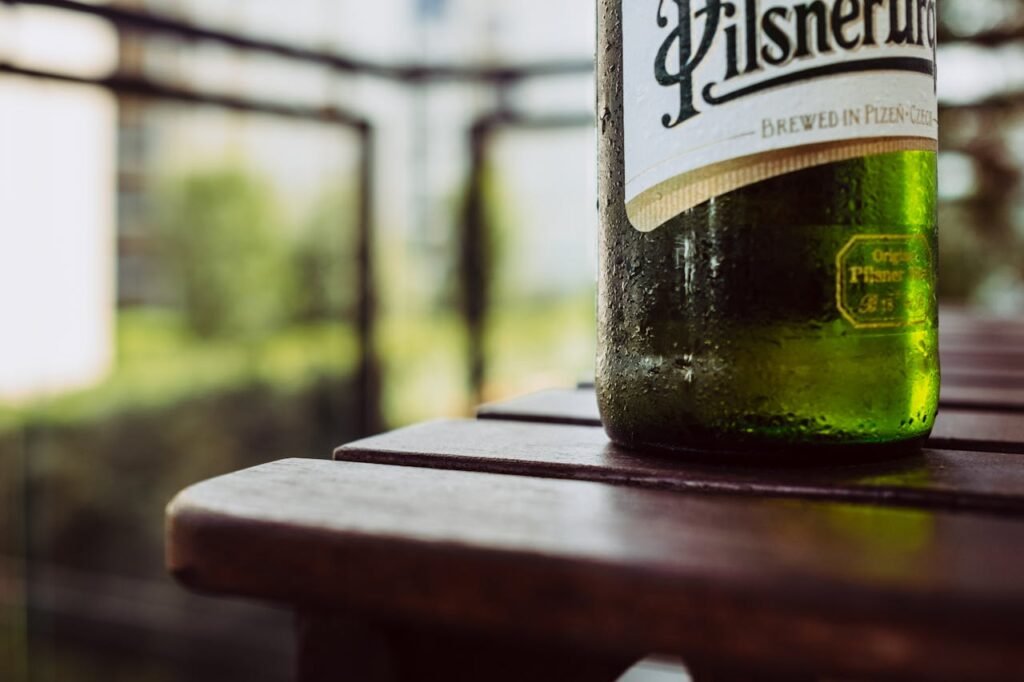
Czech beer has its reputation for a reason. It is excellent, cheap, and available almost everywhere. And yes, in some places, beer really can cost less than bottled water.
Tourists sometimes underestimate Czech beer because the drinking culture looks calmer and less chaotic than in party destinations focused on nightlife. Then suddenly they realize they drank five half-liter beers in two hours.
Pilsner Urquell, Budvar, Kozel, and unfiltered tank beer can hit harder than expected, especially on an empty stomach.
Beer culture in the Czech Republic is social and slow. People sit for hours talking, eating, and drinking casually. Loud drunken behavior in the middle of the day usually gets more eye rolls than admiration.
Pro tip: paying 200 CZK for a beer in Prague’s tourist center does not automatically mean you are drinking something more premium than a supermarket beer for 2 euros. In many cases, the quality is exactly the same, sometimes even better outside the tourist hotspots.
Don’t Jaywalk Carelessly
Czechs are generally more relaxed about crossing empty streets, especially when no cars are coming, but tourists should still pay attention to traffic laws and tram lines.
Police can fine pedestrians for crossing on a red light, particularly in busy city centers. Prague trams also move faster and more quietly than many visitors expect, which is why tourists constantly end up stepping into their path while looking at their phones or taking photos.
The same applies to driving. The Czech Republic has strict drunk-driving laws with zero alcohol tolerance behind the wheel. Speed cameras are common, roads are monitored regularly, and traffic fines can happen on the spot.
Don’t Tip Like You’re in America
Tipping exists in the Czech Republic, but the expectations are much lower than in the United States.
In restaurants, most people simply round up the bill or leave around 5–10% for good service. Nobody expects a 20% tip, and nobody will judge you for leaving little or nothing.
One thing many tourists do not realize is that tips are usually said out loud while paying.
For example, if the bill is 472 CZK, you can simply say “500” before the payment goes through or while handing over cash.
Leaving coins dramatically on the table like in American movies looks unusual here.
Don’t Fly a Drone Everywhere
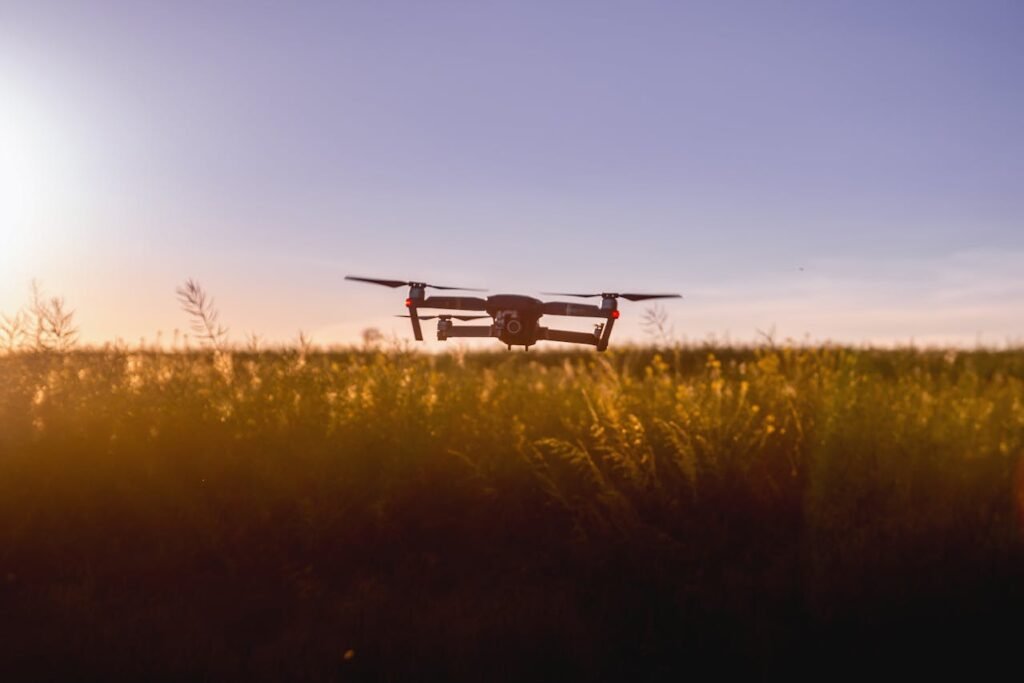
The Czech Republic has strict drone restrictions around historical landmarks, airports, protected nature areas, and crowded tourist zones.
Tourists constantly try filming Charles Bridge, Prague Castle, or Old Town Square with drones without checking regulations first. Fines can get expensive very quickly.
Always check local drone laws and restricted zones before flying.
Don’t Spend the Entire Trip Only in Prague
Prague is beautiful, yes, but it is only a small part of what the Czech Republic offers.
A lot of tourists spend their entire trip in Prague and leave thinking the whole country looks like Old Town souvenir shops, crowded streets, and bachelor parties. Meanwhile, some of the most interesting places are outside the capital completely.
Mikulov, Český Krumlov, Karlovy Vary, Telč, Olomouc, Kutná Hora, the Krkonoše mountains, Šumava, and the wine regions of South Moravia all have completely different atmospheres, architecture, food, and history.
The Czech Republic is small enough that traveling around is easy. You can comfortably use trains, buses, or rent a car. Within a few hours, the scenery can change from spa towns to vineyards, mountains, castles, medieval cities, or national parks.
Don’t Ignore Czech Restaurant Culture
Restaurant culture in the Czech Republic is slower and less customer-obsessed than in countries like the US.
Servers usually leave people alone unless called over. They are not constantly checking the table every five minutes asking whether everything tastes amazing.
Waving aggressively, snapping fingers, or treating staff like personal assistants will get negative reactions quickly.
Also, separate checks for large groups are unpopular in many traditional restaurants. Czech dining culture assumes people split things more casually.
Don’t Disrespect Historical Sites
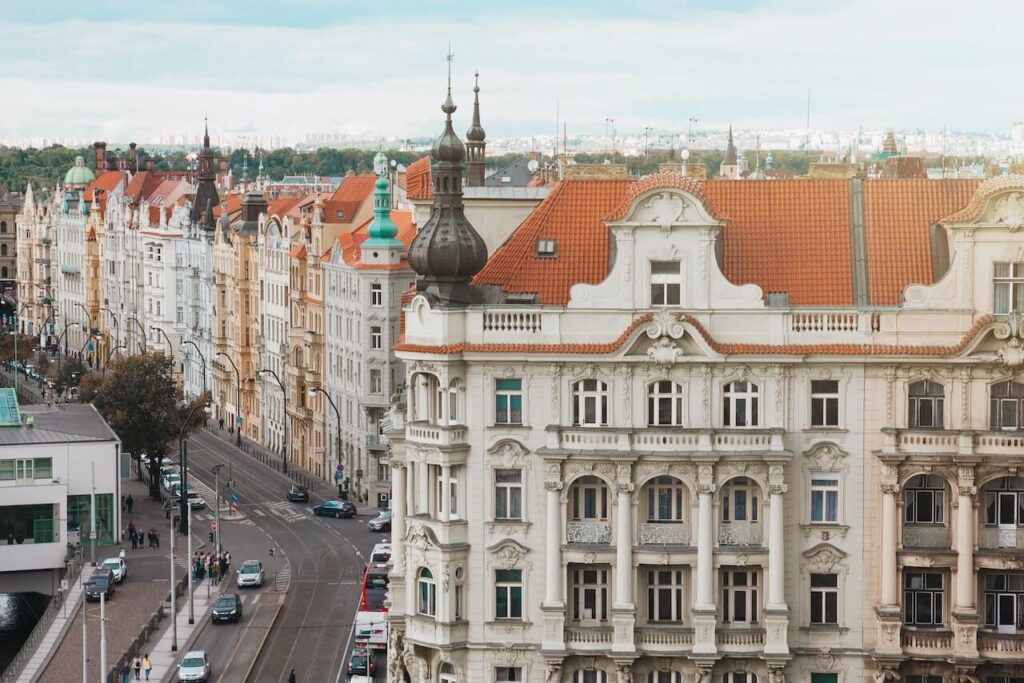
The country is full of castles, churches, memorials, cemeteries, and historical buildings that survived wars, occupations, communism, and political upheaval.
Climbing statues, carving names into buildings, leaving graffiti, or behaving recklessly around historical sites will not go over well.
Places like Prague Castle, Charles Bridge, Sedlec Ossuary, and old Jewish cemeteries carry real historical weight for locals.
Don’t Call It Czechoslovakia
Czechoslovakia stopped existing in 1993 after the peaceful split into the Czech Republic and Slovakia. Most tourists who still say “Czechoslovakia” are not trying to offend anyone, but the name sounds outdated today, especially to younger generations born after the separation.
The correct names are:
- Czech Republic
- Czechia
Pro tip: a lot of Czechs still dislike the word “Czechia,” myself included. After hearing and using “Czech Republic” for decades, “Czechia” still sounds strange to many locals, even though both names are officially correct.
Don’t Confuse Czechia With Chechnya
This mix-up happens more often than Czechs would like. Chechnya is part of Russia in the North Caucasus, while the Czech Republic is a country in Central Europe.
Even though “Czechia” and “Chechnya” sound somewhat similar in English, they are completely unrelated places. Mixing them up usually leads to awkward conversations very quickly.
And honestly, this is another reason why many locals still prefer using “Czech Republic” instead of “Czechia.”
Don’t Call the Czech Republic Eastern Europe
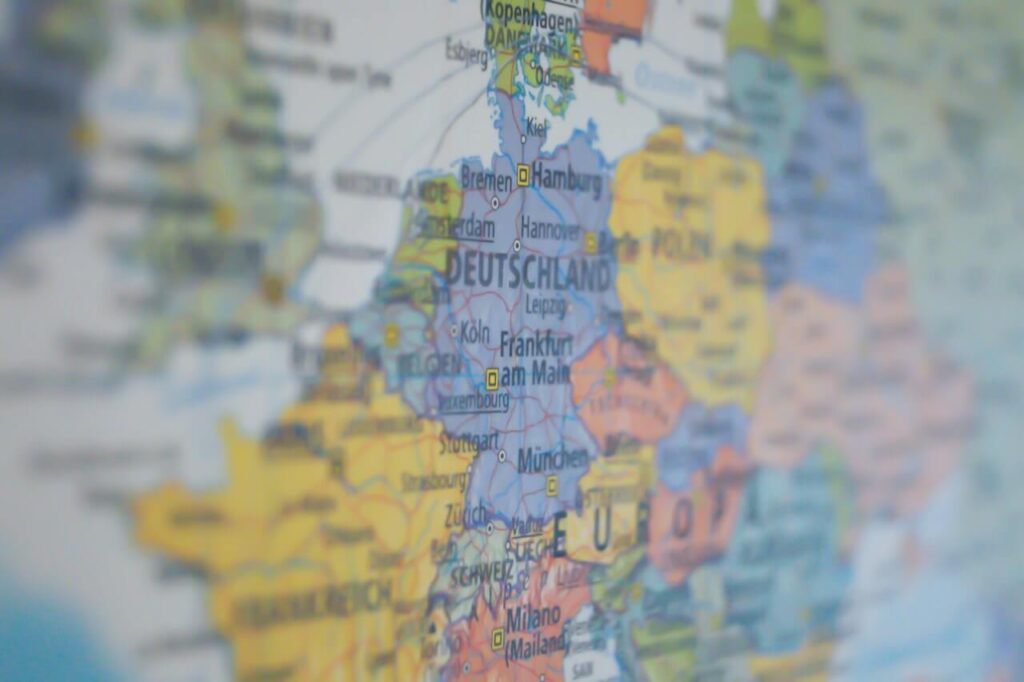
A lot of Czechs dislike hearing their country described as Eastern Europe.
The Czech Republic is located in Central Europe, and many locals connect the “Eastern Europe” label with the Soviet era, communism, and the decades when the country was under strong Eastern Bloc influence.
Calling the Czech Republic a Central European country usually lands much better with locals.
Don’t Push Religion on Strangers
The Czech Republic is one of the least religious countries in the world.
Most people do not care what religion somebody follows privately, but public preaching, aggressive religious debates, or handing out pamphlets to strangers usually makes locals uncomfortable very quickly.
At the same time, the country is full of churches, chapels, crosses, and religious monuments connected to Czech history and architecture. Religion simply stays more private here and is not something strangers commonly discuss loudly in public.

Don’t Get Recklessly Drunk
Cheap beer sometimes gives tourists false confidence.
Prague especially attracts people who arrive treating the city like a giant bachelor-party destination. Locals are deeply tired of this behavior.
Public drunkenness, screaming in the streets at night, fighting, climbing monuments, or vomiting outside trams is one of the fastest ways to look disrespectful and ignorant as a visitor.
Enjoy the beer culture. Just do not become the tourist everyone complains about afterward.
Small Things That Improve the Trip
The Czech Republic is easy to travel around, extremely safe, and full of beautiful places far beyond Prague. Most tourists have a great experience here without problems.
At the same time, Prague can sometimes create a distorted impression of the country. The city deals with massive tourism year-round, and many locals are simply tired of drunken tourism, overcrowded streets, loud bachelor parties, and disrespectful behavior from visitors. Because of that, interactions in Prague can occasionally feel colder or less welcoming than tourists expect.
Once you travel outside the capital, the atmosphere usually changes completely. Smaller towns, villages, wine regions, mountain areas, and local communities offer a much calmer and more personal side of the Czech Republic.
The best experiences usually happen once visitors stop comparing everything to home and start adapting to the local rhythm, habits, and culture instead.
- Enjoy Czech beer, but know your limits. Half-liter beers add up faster than many tourists expect.
- Carry some Czech cash with you, especially outside Prague or in smaller towns and villages.
- Do not assume everybody speaks fluent English, particularly older generations.
- Tipping is appreciated, but nobody expects American-style 20% tips everywhere you go.
- Explore places outside Prague if you can. Some of the best parts of the Czech Republic are far from the tourist center.
- Respect local customs, historical places, and public transport rules, especially around trams and traffic.
And honestly, once you understand the local rhythm a little better, traveling around the Czech Republic becomes surprisingly easy and enjoyable.
Czech This Out
- The Czech Origin of the Word Robot: From Labor to Technology
- What Does “Škoda” Mean? The Funny Czech Meaning Behind the Car Brand
- How Czech Are You? 9 Signs You Belong in the Czech Republic
- How to Say Hello in Czech: 11 Common Greetings (With Meanings)