


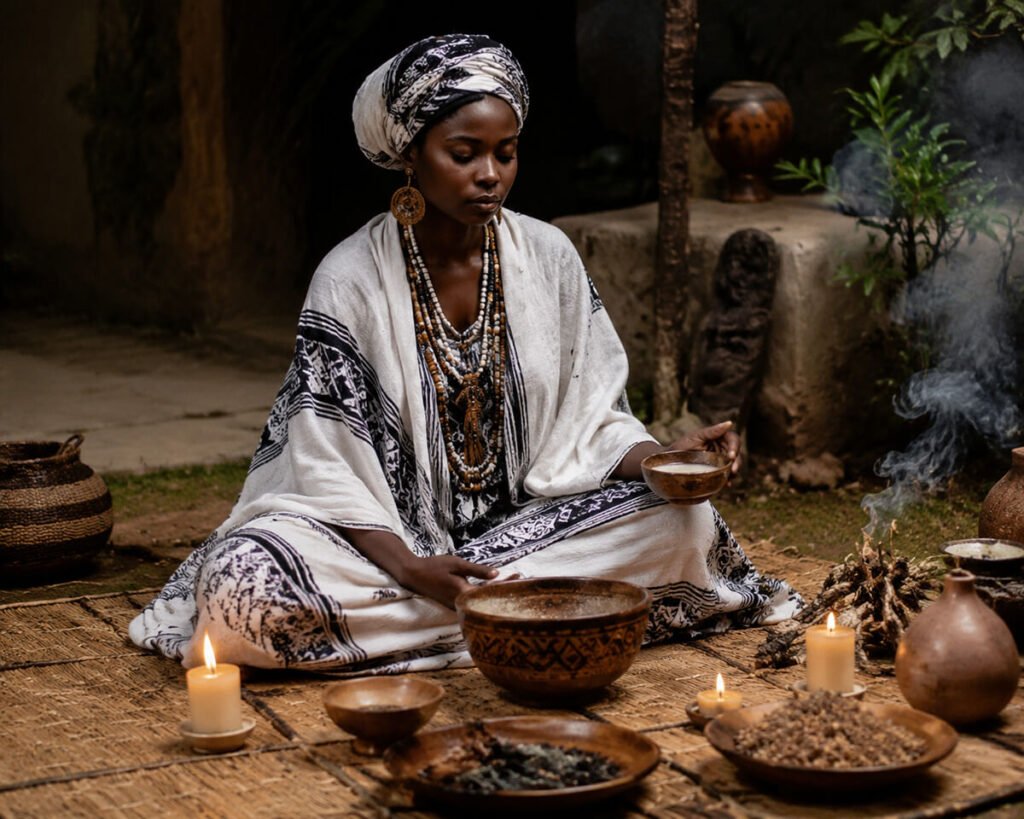
Ukuphahla is a traditional Zulu practice of communicating with ancestors, known as amadlozi. It is a ritual of respect, remembrance, gratitude, and seeking guidance from those who came before.
In many African traditions, ancestors are viewed as an important connection between the living, family history, and spiritual understanding. Through ukuphahla, a person may speak to their ancestors, express gratitude, ask for guidance, or acknowledge their presence in their life.
The word ukuphahla is often associated with opening a conversation with the ancestors. It is not simply a ceremony, but a personal and meaningful practice that connects a person with their family lineage and cultural roots.
What Is Ukuphahla?
Ukuphahla is a traditional ritual practiced by many Nguni communities, including the Zulu people, to communicate with ancestors. It may be performed to give thanks, ask for protection, seek guidance, or mark important moments in life.
The practice is usually done with respect and intention. A person may call upon their ancestors by name, speak to them openly, and offer traditional items connected with their family or cultural practices.
The way ukuphahla is performed can differ depending on family traditions, location, and personal beliefs. Some people perform it privately at home, while others seek guidance from an elder or traditional healer.
The Purpose of Ukuphahla

Connecting With Ancestors
One of the main purposes of ukuphahla is creating a connection with ancestors. Many people see their ancestors as a source of wisdom, protection, and connection to their roots.
Speaking to ancestors allows a person to remember where they come from and acknowledge the lives, struggles, and experiences of previous generations.
Seeking Guidance
Ukuphahla is also associated with seeking guidance during important times in life. People may turn to their ancestors when facing difficult decisions, major changes, family matters, or moments when they need spiritual clarity.
For many practitioners, the ritual creates a space for reflection, respect, and listening.
Honoring Family Lineage
Ancestors represent more than individuals who have passed away. They also represent family history, traditions, values, and the experiences carried from one generation to another.
Through ukuphahla, people honor their roots and maintain a connection with their heritage.
Offerings Used During Ukuphahla
Offerings used during ukuphahla depend on family customs and traditions. Common offerings may include:
- Impepho (a traditional herb often burned during spiritual practices)
- Amasi (fermented milk)
- Other foods or items that hold cultural significance
The meaning of an offering is connected to respect and remembrance. Different families may have their own practices and preferences.
How Is Ukuphahla Performed?
Preparing the Space
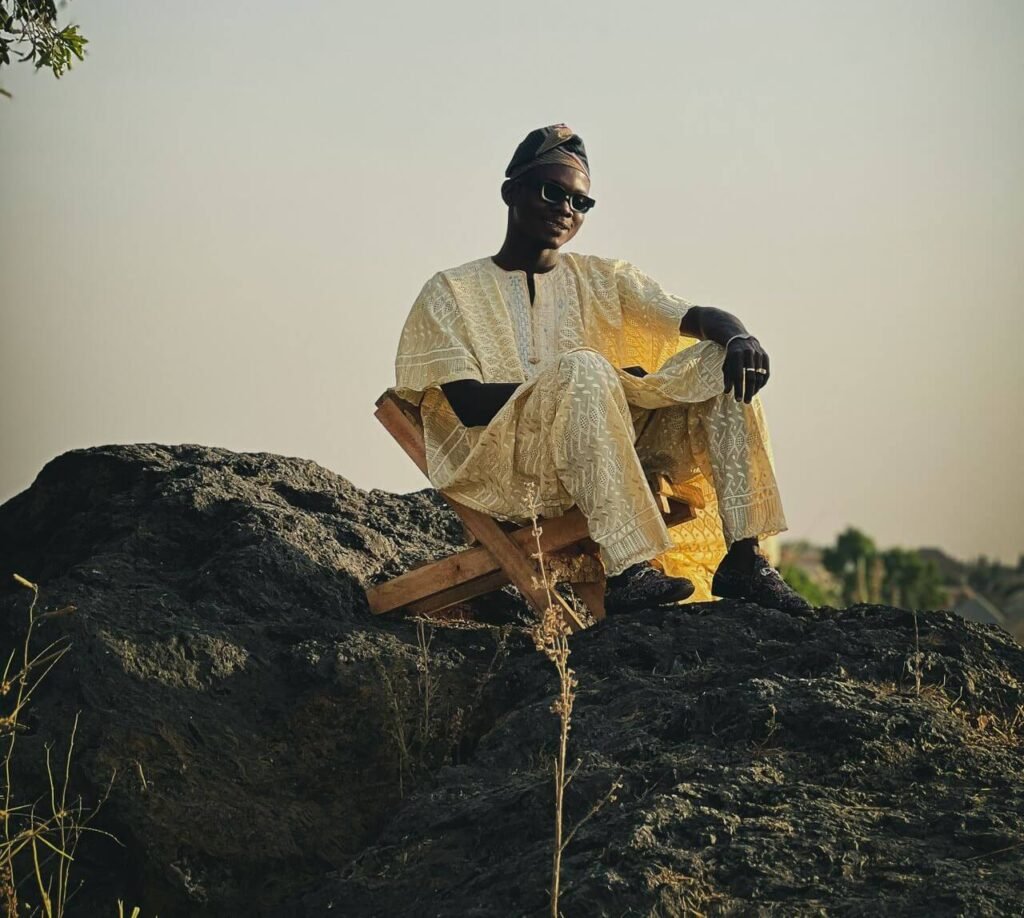
A person may choose a place connected with their family or a space where they feel comfortable communicating with their ancestors.
The important part is approaching the ritual with respect and clear intention.
Calling Upon Ancestors
During ukuphahla, a person may mention ancestors by name and speak to them directly. They may share gratitude, ask for guidance, or talk about important events happening in their life.
Giving Offerings
Offerings may be presented as a sign of respect and appreciation. They represent acknowledgment of the relationship between the living and those who came before.
Giving Thanks
Many people close the ritual by expressing gratitude and respect for their ancestors and family lineage.
Can Anyone Practice Ukuphahla?
Ukuphahla is connected to specific cultural traditions, so many people learn about it through their family, community, elders, or traditional practitioners.
For those exploring their ancestry or spirituality, it is important to approach the practice with respect and understanding rather than treating it as a simple ritual to copy.
Learning about the cultural background of ukuphahla helps preserve the meaning behind the practice.
Ukuphahla and Spiritual Connection
For many people, ukuphahla represents a relationship with their ancestors and a way of staying connected to their heritage.
It can provide a sense of belonging, connection, and respect for the generations that came before. Whether performed during important life events or as part of regular tradition, ukuphahla carries deep cultural meaning.
Ukuphahla as a Living Ancestral Practice
Ukuphahla is more than a ritual. It is a way of remembering ancestors, honoring family roots, and maintaining a connection with the past.
Through speaking with amadlozi, expressing gratitude, and respecting family traditions, many people find a deeper connection with their heritage and spiritual identity.