


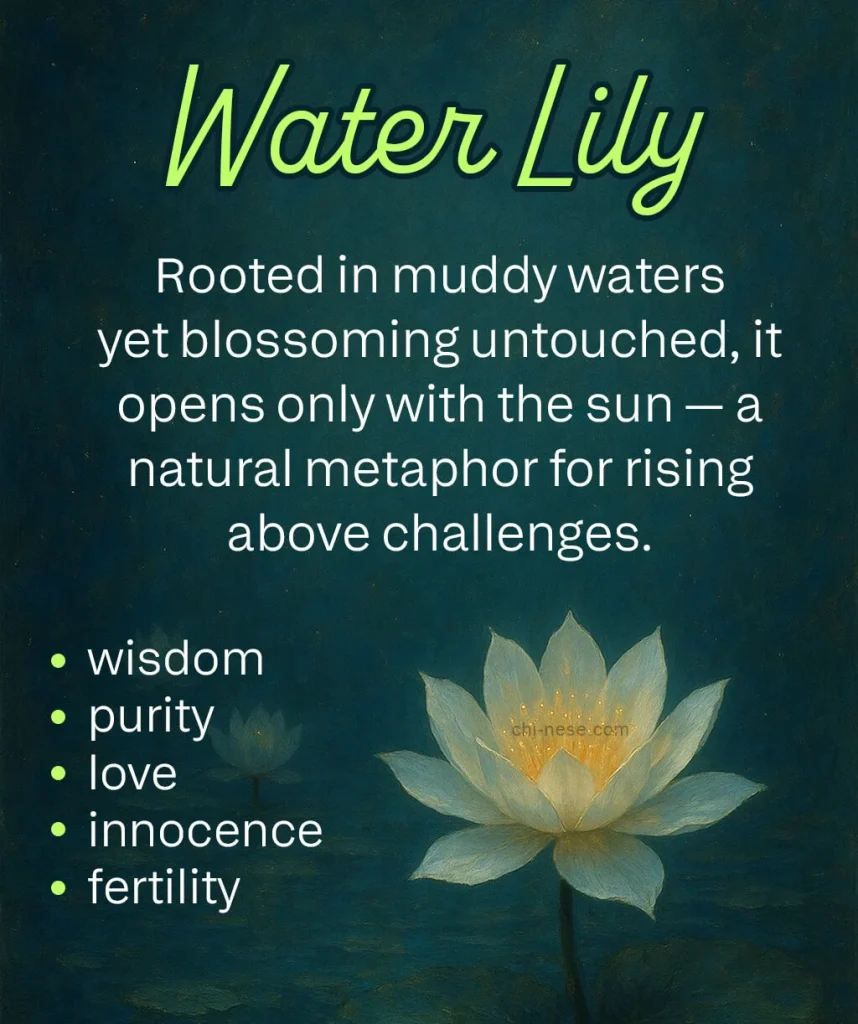
Water lilies have a presence that immediately stands out. Floating on still water, they appear untouched by the mud below them, open and balanced rather than showy. They do not compete for attention. They simply hold their place. That quality is part of why they have carried symbolic meaning for so long.
Across cultures and centuries, water lilies and their close relative, the lotus, have been associated with wisdom, renewal, purity, and the connection between different states of existence. They appear repeatedly in mythology, religious art, and spiritual practice, from ancient Egypt to India. Their symbolism is tied less to decoration and more to how they grow, where they grow, and when they bloom.
What the Water Lily Stands For
Traditionally, the water lily is linked to wisdom, fertility, purity, love, and innocence. This symbolism comes directly from its nature. The plant grows in murky water, rooted below the surface, while the flower rises clean and open above it. The contrast is the message.
In older texts, the lily is also described as representing thought, speech, nobility, and beauty. The idea is not fragility, but clarity. Something shaped by difficult conditions that still expresses order and form.
There are the colors, each one with its own personality:
- White lilies are the ultimate symbol of purity and the divine Absolute, that mysterious, untouchable perfection we keep reaching for but can’t quite name.
- Pink lilies are linked with Buddha. In some traditions, each step he takes during deep meditation causes a lotus to bloom beneath him. (Talk about a spiritual mic drop.)
- Red lilies are for seekers, those who are looking for truth and the divine within their own hearts.
- Blue lilies, especially when they’re still buds, hint at mysteries that are waiting to unfold, like life’s secrets tucked just beyond the horizon.
Egypt’s Love Affair with the Lily
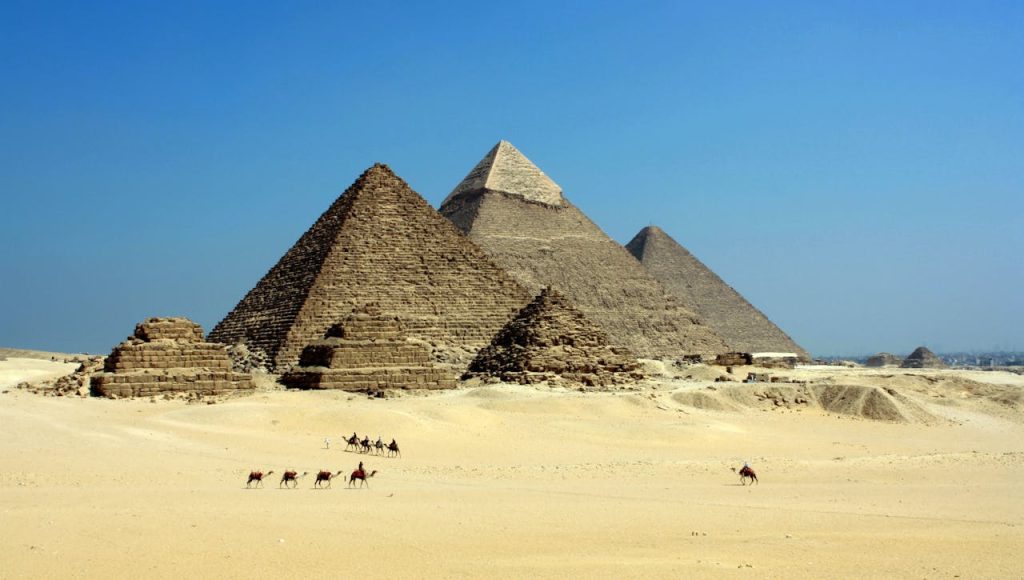
Nowhere is the symbolism of the water lily more developed than in ancient Egypt. The flower was central to mythology, ritual, and daily life.
The goddess Isis is often depicted with water lilies, reflecting her role in life, death, and renewal. According to Egyptian myth, the water lily emerged from the primordial waters of the Nile, and from it, the sun was born.
The sun god Ra was sometimes shown seated on a giant lily, reinforcing the idea of daily rebirth and cyclical time. The goddess Hathor, associated with love and healing, wore garlands of lilies combined with mandrake fruits.
The symbolism extended beyond myth. Water lilies were braided into hair, used in perfumes, and their seeds were eaten. They were believed to support longevity, strengthen the heart, ease sleep issues, and enhance desire. The lily also became a symbol of Upper Egypt and appeared frequently in temples and royal imagery.
For the Egyptians, the water lily represented life, death, rebirth, and order, not as abstract ideas but as lived realities.
A Flower for Rituals and Reflection
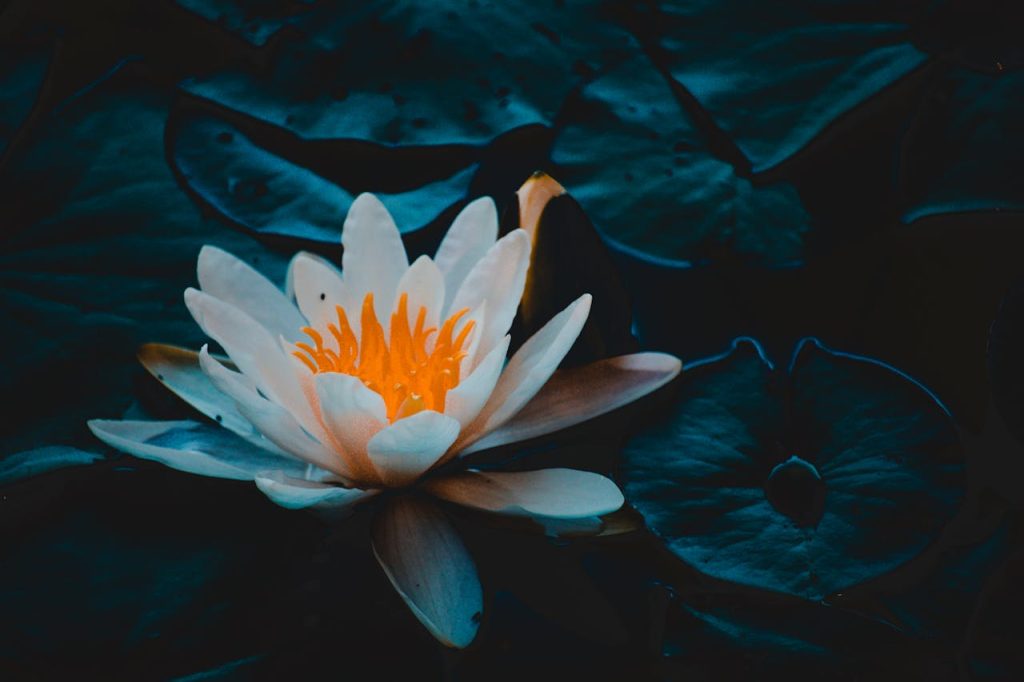
Because of its associations, the water lily became part of ritual and meditative practices. It was used in ceremonies focused on wisdom, prosperity, balance, and creative force.
One traditional approach involved using lotus-shaped candles or lotus oil during meditation. The purpose was not decoration, but focus. The flower’s daily rhythm of opening and closing mirrored natural cycles and was used as a model for alignment with time, effort, and rest.
Objects inspired by the lily also carried symbolic weight. Lotus-shaped bells and vessels were believed to hold the qualities associated with clarity, order, and connection.
Why They Still Speak to Us
You do not need to study mythology to respond to a water lily. Sitting near a pond where they grow is often enough. Their position at the surface, their steady presence, and their refusal to rush draw attention naturally.
That may be why they continue to resonate. They represent the possibility of stability emerging from difficult conditions. They suggest that growth does not require noise or struggle to be real.
Across cultures, the water lily has symbolized the same core idea: it is possible to rise, remain intact, and still belong to the world you came from.
The next time you see one, you may think of Isis and the birth of the sun, of Ra seated in its petals, or of Buddha stepping forward as blossoms appear beneath him. Or you may simply notice how it holds its form.