


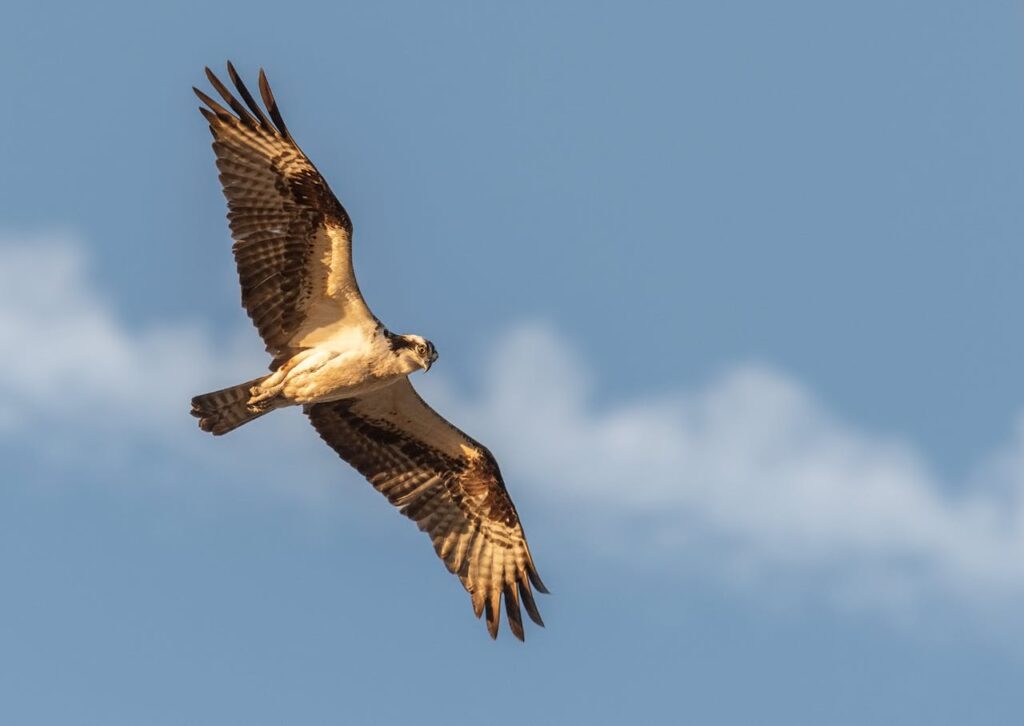
You’re walking, maybe thinking about something else entirely, when a falcon crosses your line of sight. It doesn’t hover. It doesn’t circle for attention. It moves fast, cuts across the sky, and disappears just as quickly.
That’s usually what makes people stop. Falcons don’t behave like most birds. There’s precision in how they move. Purpose. You notice them without trying to.
If you’ve ever seen one while walking, driving, or pausing for a moment, you’ve probably caught yourself wondering what that meant. Not in a superstitious sense. More like a thought that stays with you longer than expected.
Across cultures, falcons have been linked to luck, protection, and direction. Not because they promise easy outcomes, but because of what they’ve always represented: focus, timing, and forward movement. Here’s why.
Why Falcons Have Always Meant Something
Falcons have been observed and respected for thousands of years. People didn’t just admire them for their hunting skills. They paid attention to how they move, where they appear, and what their presence seemed to coincide with.
In ancient Egypt, falcons were connected to Horus, a god associated with vision, protection, and authority. The falcon wasn’t seen as decoration. It stood for awareness and the ability to see what others couldn’t.
In parts of Persia and Asia, falcons symbolized focus and strategic movement. They weren’t linked to chaos or chance. They represented control and clarity.
In medieval Europe, falcons became symbols of status and discipline. Falconry wasn’t a casual hobby. It required patience, training, and respect for timing. Seeing a falcon wasn’t about wishful thinking. It was about power used carefully.
Across many Native traditions, falcons are seen as messengers. Not because they speak, but because they move between spaces quickly and with intention.
Different cultures, same core idea. Falcons represent sharp awareness and forward motion.
What Falcons Symbolize Today
Modern interpretations haven’t drifted far from the old ones. Falcons are still associated with:
- Clear vision
- Focus under pressure
- Timing
- Direction
- Protection through awareness
When people describe seeing a falcon as “good luck,” they’re usually responding to how the moment feels. Falcons don’t hover. They appear when something is already in motion.
That’s why falcon sightings often stand out during periods of decision-making or transition. Not because the bird caused anything, but because it mirrored what was already happening internally.
Why Falcons Are Linked to Good Luck
Seeing a falcon has often been interpreted as a sign of good luck, a reminder that you’re aligned with the right direction, even if the outcome isn’t clear yet. It’s associated with staying focused on the path you’re already on, even when progress isn’t visible yet. Continuing the work. Holding direction when there’s no immediate feedback. Trusting what you’re building when no one else sees it.
In many traditions, falcons appear when attention needs to sharpen. When distractions start pulling you off course or when thinking becomes too narrow. Their presence is tied to precision, timing, and choosing action over hesitation.
In that sense, “good luck” isn’t about things becoming easier. It’s about moving forward with clarity and momentum, even when the outcome hasn’t revealed itself yet.

Cultural Views That Still Exist
In many Middle Eastern cultures, falcons are still highly respected. They’re associated with leadership, success, and honor. Spotting one is often seen as a positive sign tied to strength and reputation.
Some Native traditions continue to view falcons as carriers of messages. Not messages with instructions, but signals that attention is required. Falcons don’t linger long enough to be ignored.
In modern spiritual thinking, falcons are often linked to protection through awareness. Not shielding, but seeing clearly enough to avoid unnecessary trouble.
A Common Folk Belief
There’s an old belief found across different cultures: if you see a falcon while holding a question or intention, say it out loud. Not as a wish, and not vaguely, but clearly and directly.
The belief isn’t that the falcon grants anything. It’s that putting words to what you want or need brings focus. The falcon represents forward motion. Once something is named, it can move.
The same idea applies to unspoken thoughts. If you’ve been holding something back, words you haven’t said, feelings you’ve avoided expressing, a falcon sighting is often taken as a sign to stop circling the issue. Speak. Act. Bring clarity where there’s been hesitation.
Falcons don’t wait. That’s part of the message.
What to Do If You See a Falcon
You don’t need to interpret a falcon sighting right away. You don’t need to pin a meaning on it. What’s more useful is asking yourself where you are in life and what was on your mind at the exact moment you noticed it.
Pay attention to what you were focused on then. What felt unresolved. What decision you kept returning to without acting on.
Falcons are tied to direction. That’s why so many people associate them with good luck. Not because they promise results, but because they tend to appear when focus, timing, and forward movement actually matter.