


Your yard isn’t a separate piece of land that just happens to belong to your house. It’s the first place your home breathes. The first space you pass through before you unlock the door. In Feng Shui terms, it’s where energy meets you before you even step inside.
When a yard feels off, people notice it without knowing why. They rush through it. They don’t linger. When it feels right, the opposite happens. You slow down. You exhale. Your home feels easier to return to.
That’s what good Feng Shui does outdoors. It doesn’t force anything. It removes resistance so your space can support you instead of draining you.
Start with a Living Map: Using the Bagua Outside
The Bagua map can be applied to your entire property, not just the interior. It’s less a rulebook and more a way to give each part of your yard a clear role.
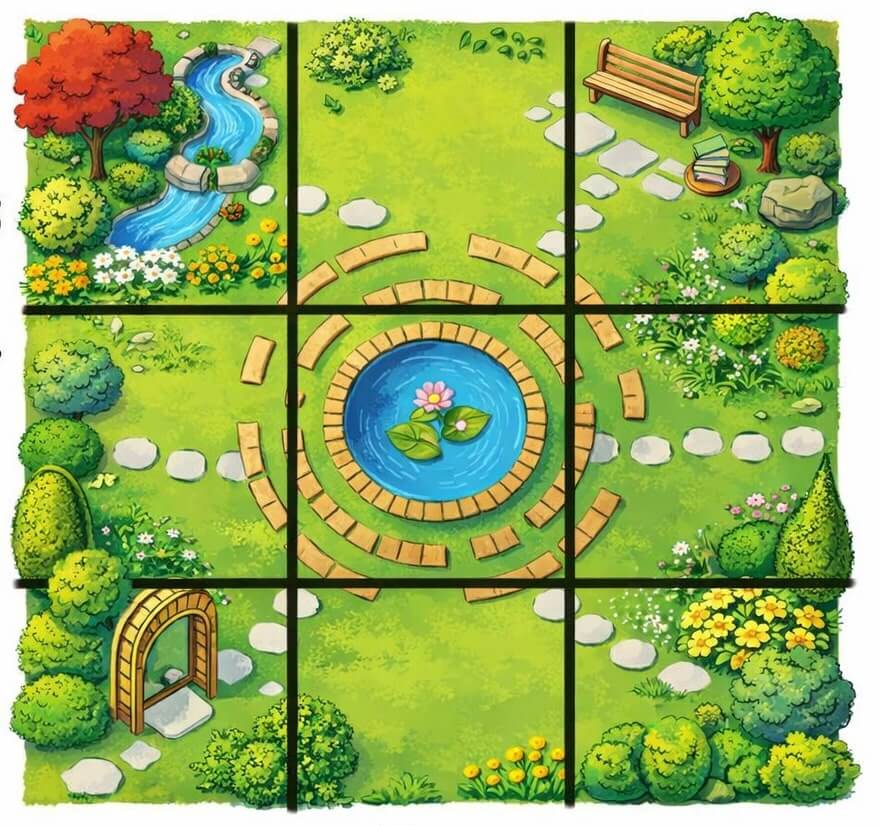
North – Career and Life Direction
The North works best when energy can move. This area benefits from openness and flow rather than decoration. Water elements are especially supportive here, but they don’t have to be dramatic. A small fountain, a birdbath, or even a gently curved path can be enough.
Keep this zone uncluttered. When the North feels blocked or crowded, people often describe feeling stuck, tired, or unsure about their direction.
Northeast – Knowledge and Inner Stability
The Northeast prefers stillness. This is not a place for busy movement or loud activity. Stone, earth, and weight ground this area and help it feel calm.
A stone bench, a small rock garden, or a quiet corner for sitting works beautifully here. This is one of the best spots in the yard for reflection, reading, or simply being alone with your thoughts.
East – Health and Family Energy
The East is about living growth. Plants matter here more than decor. Trees, taller shrubs, herbs, or even a small vegetable patch strengthen this area.
Pay attention to plant health. Struggling or neglected plants in the East often mirror exhaustion or tension in daily life. Thriving growth here brings a sense of vitality that carries into the home.
Southeast – Wealth and Growth
The Southeast responds to abundance, but only when it feels natural. This is not the place for forced symbols or overcrowding.
Lush plants, healthy flowers, and gentle water elements work well. The key is balance. When this area feels alive but not overwhelming, it supports steady growth rather than sudden spikes followed by burnout.
South – Reputation and Visibility
The South connects to how you are seen, both by others and by yourself. Light and clarity matter here.
Outdoor lighting, bright flowers, or even a fire pit can activate this zone. What’s most important is cleanliness. A neglected South often feels draining and can subtly affect motivation or confidence.
Southwest – Love and Relationships
The Southwest is about connection and balance. This area benefits from pairs and symmetry.
Seating for two, matching planters, or warm colors help reinforce partnership energy. Avoid single chairs, broken furniture, or anything that feels lonely or temporary here.
West – Creativity and Joy
The West is playful by nature. This is where fun belongs.
Art pieces, garden sculptures, creative projects, or even a children’s play area fit well here. If this area feels empty or ignored, people often feel creatively blocked or emotionally flat.
Northwest – Support and Helpful People
The Northwest thrives on structure and reliability. This area benefits from feeling solid and organized.
Well-kept storage, wind chimes, strong fencing, or clearly defined boundaries support this zone. When the Northwest feels unstable, people often feel like they’re doing everything alone or lacking support.
Why the Path Matters More Than the Plants

Most people focus on what they plant. Feng Shui pays just as much attention to how you move.
A straight, rushed path from the gate to the front door moves energy too quickly. A slightly curved path slows things down in a good way. It allows energy to gather instead of shooting straight inside and disappearing.
If your front walk is completely straight, soften it with lighting, pots, or low plants placed asymmetrically along the edges. You don’t need to rebuild anything to change the feel.
Let Part of the Yard Breathe on Its Own
A common mistake is over-controlling the yard. Perfect symmetry. Constant trimming. Nothing allowed to move naturally.
Designating a small area that grows more freely brings balance. Native plants, wildflowers, or even an area where leaves are allowed to stay a little longer create contrast. This isn’t neglect. It’s allowing the space to stay alive.
Yards that are too controlled often feel tense. Yards with one untamed corner feel grounded.
Trees Are Not Decorations
In Feng Shui, trees are protectors. They anchor energy and create a sense of safety, but placement matters.
Trees that lean aggressively toward the house or scrape the roof can feel oppressive over time. On the other hand, trees positioned slightly to the sides of the home act like support rather than pressure.
One practical rule: branches should guide light toward the house, not block it completely. If a tree creates constant shadow over your front door or main windows, it can affect mood and motivation inside the home.
Water Brings Opportunity, But Only When It’s Alive
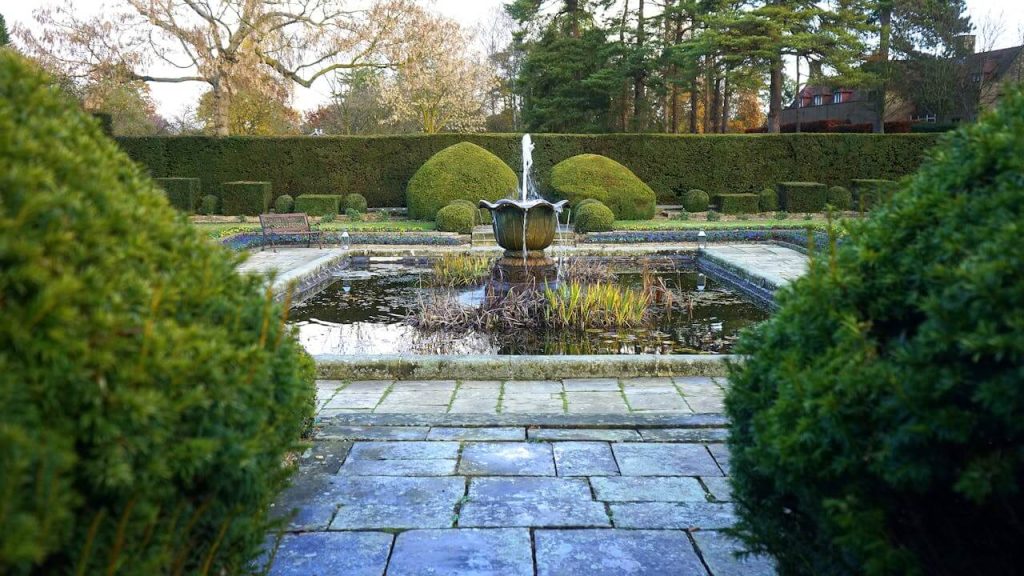
Water is often used incorrectly.
A fountain that doesn’t run, a pond with murky water, or a broken birdbath does more harm than having no water feature at all. In Feng Shui, stagnant water reflects stalled opportunities.
If you use water, keep it clean, circulating, and intentional.
Another lesser-known detail: water should visually move toward the home, not away from it. Even a small tilt in placement can change how the space feels.
Seating Shapes Influence Relationships
Rectangular seating areas can feel formal or distant outdoors. A round or oval table encourages people to sit longer and interact more naturally. It subtly removes hierarchy and tension.
If you don’t want to change furniture, soften sharp corners with cushions, plants, or fabric. The goal is comfort, not perfection.
Light Is About Safety, Not Decoration
Outdoor lighting should guide, not spotlight.
Soft lights along paths and near entrances make the yard feel welcoming after dark and create a sense of protection. Harsh floodlights can make a space feel exposed rather than secure.
A simple rule: if the path to your door feels clear and calm at night, your yard is doing its job.
Invite Life In
Birds, bees, and insects are not distractions in Feng Shui. They’re indicators.
A yard that attracts life is balanced. Bird feeders, shallow water dishes, or pollinator-friendly plants signal that the space is healthy. When nothing visits your yard, it’s often a sign that energy isn’t circulating well.
The Most Overlooked Feng Shui Habit
Maintenance.
Clearing fallen leaves, broken pots, dead plants, and unused objects matters more than adding new decor. A yard that’s cleaned with attention stays receptive. One that’s ignored quietly accumulates stagnation.
You don’t need to do everything at once. Regular small care does more than occasional overhauls.
When a Yard Truly Feels Like Home
A Feng Shui-aligned yard doesn’t try to impress. It supports. You’ll know it’s working when you enjoy walking through it instead of rushing past it. When guests linger without checking the time. When your home feels calmer before you even open the door. That’s when the yard stops being outside space and becomes part of your life.