

František Drtikol was not only one of the most important Czech photographers of the 20th century, but also a deeply inward-focused thinker whose work gradually moved from visual beauty toward inner discipline, awareness, and spiritual practice. His life and words sit at the crossroads of art, philosophy, and lived experience, which is why his quotes still resonate far beyond photography circles today.
Who Was František Drtikol?
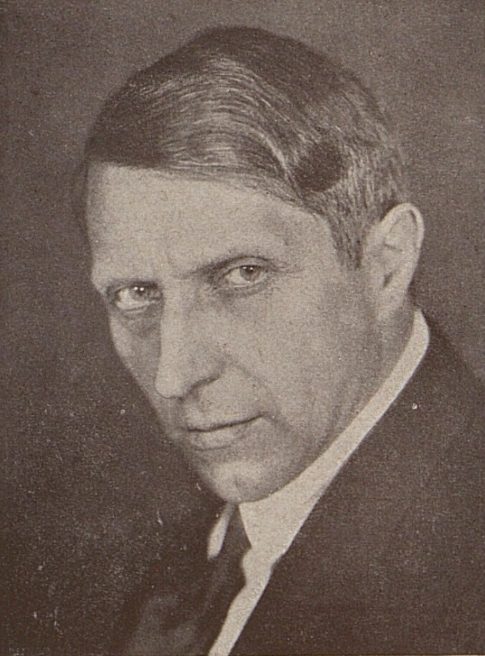
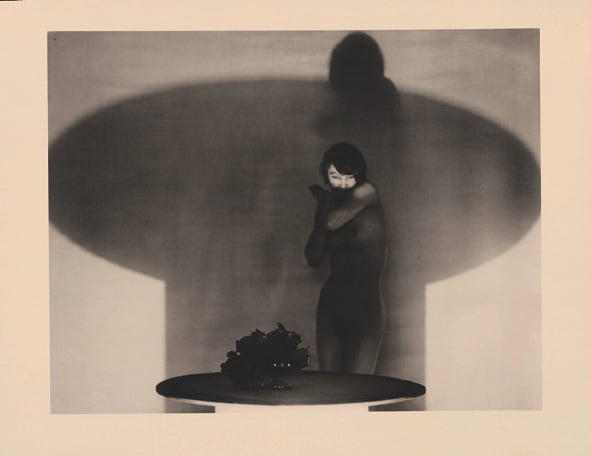
František Drtikol was born on March 3, 1883, in Příbram, then part of the Austro-Hungarian Empire. He trained as a photographer in Munich and later opened a successful studio in Prague, where he became widely known for his striking portraits and stylized nude compositions. His early work is strongly associated with Art Nouveau, marked by dramatic lighting, flowing lines, and a sculptural approach to the human body.
Over time, his visual language changed. Influences from Cubism, Futurism, and modernist abstraction entered his photographs. Figures became more geometric. Light and shadow took on symbolic meaning. Movement mattered more than ornament. This artistic shift mirrored changes happening inside him.
By the late 1920s and 1930s, Drtikol gradually stepped away from commercial photography altogether. His interest turned increasingly toward Eastern philosophy, especially Buddhism, meditation, and inner observation. He studied spiritual texts, kept extensive diaries, and devoted much of his later life to inner practice rather than public recognition. In Czech cultural history, he is often referred to as the Patriarch of Czech Buddhism, not because of formal authority, but because of his influence and seriousness of practice.
Photography as an Inner Record
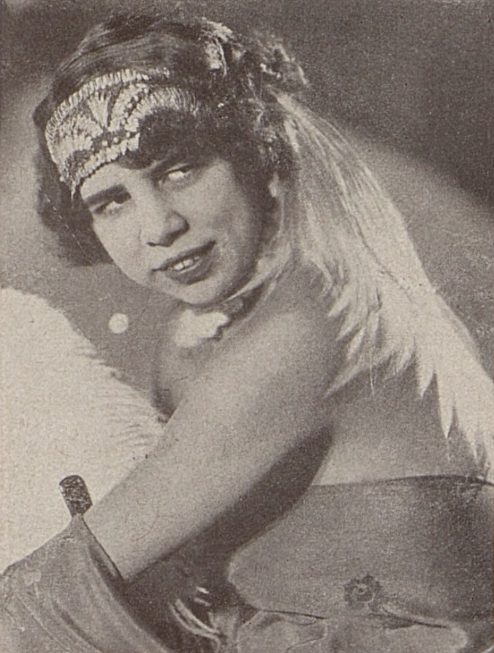
Drtikol did not see art as decoration or entertainment. For him, photography was closely connected to discipline, attention, and presence. His images can be read as visual records of his internal development, not just aesthetic objects. Many of his photographs explore tension between form and emptiness, motion and stillness, individuality and dissolution.
His diary writings reveal the same concerns. Again and again, he returned to silence, restraint, and non-interference as necessary conditions for understanding life. These ideas later appeared directly in his quotes, many of which circulate today independent of his photographs.
Drtikol’s Quotes on Life and Awareness
Below are some of Drtikol’s most well-known quotes, translated from Czech. While translations may vary slightly, the core meaning remains clear.
“When I want to solve something, I will not think about that thing. I keep silent about it.”
This sentence captures one of his central ideas. Understanding does not come from force, pressure, or constant mental activity. It comes when the mind steps aside.
“The mistake is that we think the way to God is a desert or drought. There is no desert. There is no drought. These exist only in our thinking.”
Here, Drtikol points directly to how human reasoning creates suffering. The problem is not life itself, but the interpretations placed on it.
“Every action, whether good or bad, every thought and every word radiates into space, creates circles, and returns to the place where it began. That is karma.”
This is one of his clearest statements on cause and consequence. Responsibility is unavoidable, but it is also neutral. Nothing is punished. Nothing is rewarded. Things simply return.
“Just live and do not force life.”
Few sentences summarize his philosophy as simply as this one. Life unfolds on its own terms. Interference creates resistance.
“Suddenly you notice that everything works with you. People, circumstances, even the weather. Be dedicated, stay silent, and live in presence.”
This quote reflects his lived experience rather than theory. Alignment appears not through control, but through attention.
“When speaking with someone, the soul identifies with that person and takes on their qualities. This is how we influence one another.”
For Drtikol, interaction was never neutral. Every exchange left a trace.
Why Drtikol Still Matters
František Drtikol remains relevant because he never separated creativity from inner work. His photography, his diaries, and his quotes all point in the same direction. Reduce excess. Observe closely. Act with awareness. Allow life to move without constant interference.
In a time saturated with noise, opinions, and speed, his words feel surprisingly practical. They do not ask for belief. They describe process.
Quotes are translated from Czech and may differ slightly from the original wording.