


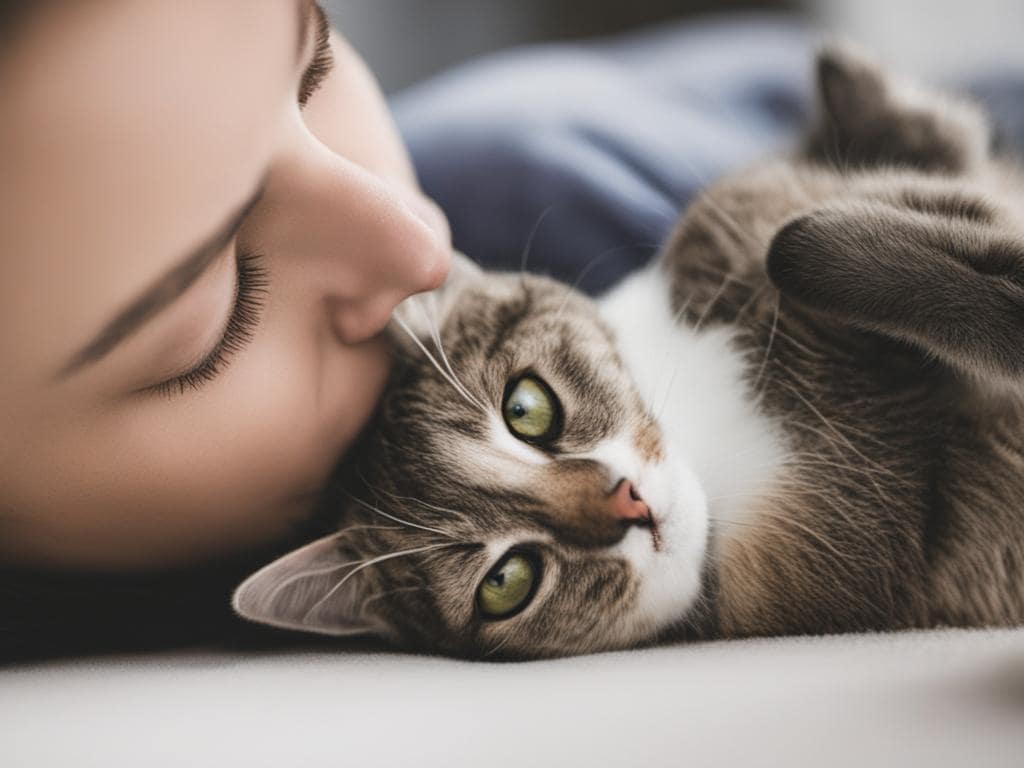
If you live with a cat, you already know this truth: not every inch of a cat is equally kiss-friendly. Some spots earn instant purrs. Others earn a warning flick of the tail, a sharp look, or a quick escape. Knowing the difference is the key to showing affection in a way your cat actually enjoys.
Kissing your cat can be a lovely bonding ritual when it’s done with respect for their boundaries. Cats communicate clearly through body language, and when you learn to read it, you’ll know exactly when a kiss is welcome and when it’s not.
Here are the seven most kissable cat body parts, explained with your cat’s comfort and personality in mind.
The Top of the Head
The top of the head is one of the safest and most widely accepted places for kisses. This area is already involved in feline affection, since cats greet each other by rubbing heads and faces.
A gentle kiss on the head feels familiar rather than intrusive. Many cats lean into it, close their eyes, or nuzzle back. If you’ve ever searched for kissing a cat on head, this is exactly why it’s recommended so often. It mirrors how cats show trust to one another.
Under the Chin
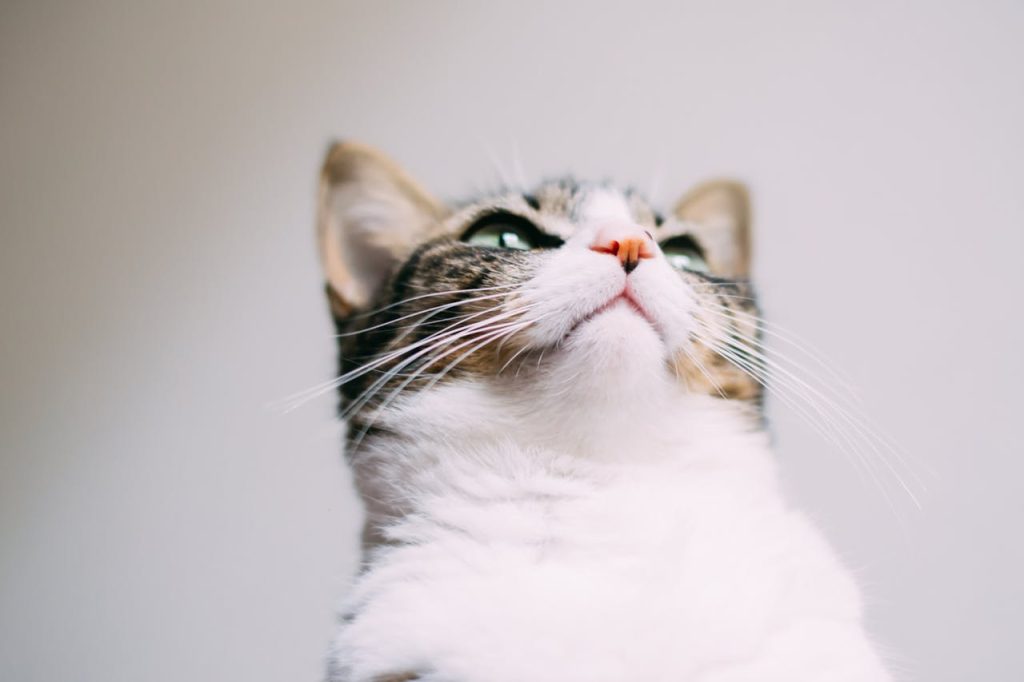
Under the chin is a favorite for many cats because it’s packed with scent glands and nerve endings. When you scratch or rub this area, cats often lift their head, which is basically an invitation to keep going.
A soft kiss under the chin, paired with slow scratches, can be very soothing. You’ll usually know it’s working if your cat starts purring, drooling slightly, or relaxing their body completely.
Just check the area first. Some cats get chin acne, and if you notice small black spots or irritation, it’s better to skip kisses there.
The Cheeks
Cat cheeks are prime real estate for affection. They contain scent glands that cats use to mark people they trust. When your cat rubs their face against you, furniture, or doorframes, they’re claiming those things as familiar and safe.
Light kisses on the cheeks often feel natural to cats, especially if they’re already rubbing against your face. This kind of affection reinforces bonding without overwhelming them.
The Bald, Warm Spot Near the Ears
That soft, slightly furless patch just behind the ears is surprisingly sensitive and often adored by cats. It’s warm, delicate, and usually accessible when your cat tilts their head toward you.
Gentle kisses here tend to be well received, especially when paired with slow ear rubs. If your cat leans in, stays relaxed, or starts purring, you’ve found a sweet spot.
The Ears (With Caution)
Some cats love having their ears kissed or lightly nuzzled, especially near the base where the ear meets the head. This area is closely connected to comfort and relaxation.
That said, ears are sensitive. Stick to gentle kisses rather than lingering pressure, and always watch for signs of irritation. If your cat pulls away or flattens their ears, that’s your cue to stop.
Toe Beans (For the Brave)

Toe beans are undeniably cute, but they’re not universally kiss-approved. Some cats tolerate or even enjoy a quick peck on their paw pads, especially if they’re already relaxed or sleepy.
Others absolutely hate having their paws touched. If your cat pulls their paw away, tenses up, or looks offended, respect that boundary immediately. Toe bean kisses are very much cat-specific.
The Belly (Only by Invitation)
Despite how soft and tempting it looks, the belly is the most misunderstood area on a cat. When a cat shows their belly, it usually means trust, not necessarily permission to touch.
Some cats do enjoy gentle belly kisses, especially if they remain relaxed and stretched out. Others will interpret it as play or a threat and respond with grabbing, kicking, or nipping.
If you try a belly kiss, keep it brief and watch your cat closely. One second too long can change the mood fast.
How to Tell If Your Cat Enjoys Kisses
A cat who enjoys being kissed will show it clearly. Look for relaxed posture, slow blinking, purring, head nudging, or staying close instead of pulling away. A cat who doesn’t enjoy it will stiffen, flick their tail, flatten their ears, or leave.
Kisses should always feel optional, not forced.
Don’t Overdo It
Even cats who love affection have limits. Too many kisses in a row can become overstimulating, especially in sensitive areas. Short, gentle moments of affection are far more meaningful than constant contact.
Kissing your cat isn’t about how much love you give, but how well you listen to how they receive it. When you follow their cues, those little kisses become a shared language of trust.
And sometimes, the best sign of affection is knowing when to stop.
How about reading this? The Universal Cat Distribution System Explained: Is It Even Real?