


You start noticing the same things happening again and again. He shuts down when dating comes up. He avoids talking about women in any real way. When conversations turn personal, he pulls back or changes the subject. After a while, it stops feeling accidental.
Wondering whether a guy might be pretending to be straight isn’t about labeling him or trying to expose anything. It usually starts because something feels inconsistent. And the fact that the question keeps returning is often the first sign that there’s more going on beneath the surface. Here are patterns people commonly notice when someone is hiding or suppressing their sexual orientation.
How He Talks About Dating and Relationships
Pay attention to how he talks about his love life. Does he dodge specifics? Use words like “someone” instead of “girlfriend”? Change the subject when women come up? Or default to saying he’s “not dating anyone” because he’s focused on work?
If his dating stories sound rehearsed or strangely exaggerated, it can suggest he’s covering empty space rather than speaking from real experience.
Overcompensating Masculinity

Overcompensating masculinity is one of the clearest signs a guy may be pretending to be straight. Traditional ideas of masculinity often paint the ideal straight man as tough, dominant, hairy, sexually active, and physically imposing. Some closeted men lean heavily into that image because it offers cover and reduces suspicion.
This can show up as nonstop talk about hookups, exaggerated stories about women, aggressive posturing, or constant sexual bragging. But instead of confidence, it often reads as performance. When masculinity feels forced rather than natural, it usually points to insecurity, not strength.
His Comfort Level Around Women
Some men who aren’t straight feel uneasy around women in a romantic context. They might avoid flirting altogether, pull away from physical closeness, or appear emotionally distant even when dating.
This doesn’t mean disinterest in women as people. It’s just about discomfort with romantic expectations they don’t genuinely feel.
His Behavior Around Other Men
Watch how relaxed he seems around men, especially in social settings. Does he tense up during typical “guy talk”? Avoid eye contact? Seem unusually nervous?
On the flip side, some closeted men overcorrect by acting overly tough or dismissive around other men to avoid suspicion.
Defensive Reactions About Sexuality

One of the strongest patterns is defensiveness. If a casual joke or comment about sexuality triggers anger, bragging, or long explanations about how straight he is, that reaction often says more than words. Men who are secure in their orientation usually don’t feel the need to defend it.
Homophobic Comments or Jokes
It sounds contradictory, but some closeted men use homophobic language as camouflage. It’s a way of creating distance between themselves and anything that might raise questions. This behavior often comes from internal conflict rather than hatred, but it’s still a common sign people notice.
His Social Circle
Many men who are hiding their sexuality feel more at ease around women. Female friendships often involve emotional openness without pressure to perform masculinity.
If most of his close friends are women and he seems noticeably more relaxed around them than around men, that dynamic can be telling.
Grooming, Style, and Presentation

This usually isn’t about fashion alone. It’s about intensity. Spending extreme amounts of time on appearance, rigid gym routines tied to body image, or hyper-curated style choices can sometimes be part of managing how he’s perceived. One trait alone means nothing. A pattern does.
Where His Attention Goes
Notice where his eyes linger. A glance now and then doesn’t mean much, but repeated focus on men while showing little interest in women can be revealing.
Attraction usually leaks through behavior, even when someone tries to hide it.
Social Media Habits
Who he follows, likes, and interacts with online often tells a clearer story than real life conversations.
Consistent engagement with male models, queer creators, or LGBTQ+ content while showing little interest in women can reflect his internal world more honestly than words.
Avoidance of Physical Intimacy
If he consistently avoids physical closeness with women or finds excuses to pull away, it may be because his attraction doesn’t align with expectations placed on him.
This can show up even in long-term relationships.

Strong Reactions to LGBTQ+ Topics
Pay attention to emotional spikes. Anger, discomfort, or shutting down when LGBTQ+ topics come up often indicates internal tension.
People who feel settled rarely react strongly to conversations that don’t threaten their sense of self.
Forced Stories About Women
If he frequently tells stories about women that sound rehearsed, exaggerated, or oddly disconnected from emotion, it can feel like he’s trying to convince others rather than sharing naturally.
Browsing and Privacy Patterns

Extremely guarded devices, erased histories, or secretive online behavior don’t automatically mean anything, but combined with other signs, they can add context.
Repeated, Unprompted Denial
If he denies being gay without being asked, that pattern matters. Most people don’t defend themselves against accusations that aren’t being made.
Discomfort With Traditional Gender Roles
Some men avoid stereotypical masculine activities not because they dislike them, but because those spaces heighten pressure to conform.
Creativity, fashion, or nontraditional interests alone don’t define orientation, but rejection paired with tension can point to something deeper.
Body Language Cues
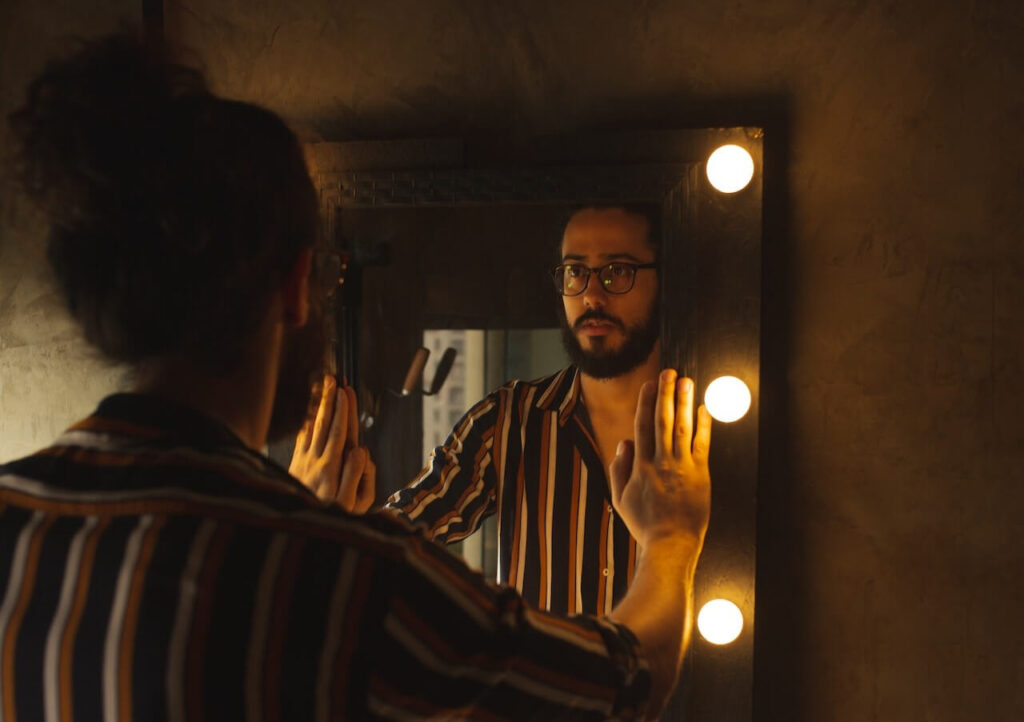
Posture, sitting habits, and movement sometimes reflect comfort levels. These cues should never be used alone, but they can add nuance when many other signs are present.
Holding Objects and Gestures
People often point to things like how someone holds a glass or moves their hands. These kinds of “tells” get repeated because they’re easy to notice, not because they prove much on their own. A single habit doesn’t reveal anything. It only becomes meaningful when it shows up alongside many other patterns.
A Necessary Reminder
No single habit or behavior proves anything. Sexuality isn’t a checklist. It’s personal, layered, and often shaped by fear, family expectations, and social pressure.
If you keep noticing the same patterns, it doesn’t automatically mean he’s lying to you. More often, it means he hasn’t fully sorted things out for himself yet.
Trying to figure it out for him usually doesn’t help. Turning it into an interrogation or a guessing game only creates distance. People are more honest when they don’t feel pushed, watched, or judged. If your instincts are right, clarity tends to come on its own, in time.
More LGBT Content
The 5 Gayest Zodiac Signs Revealed: Are You One of Them?
8 Subtle And Hard-To-Spot Signs She’s A Femme Lesbian