



For centuries, people have worked with plants not just for healing, but also for stability, luck, and financial flow. Long before spreadsheets and banking apps, herbs were part of everyday life, and people noticed patterns. Certain plants were kept close during work, trade, and decision-making because they seemed to support growth and consistency.
My grandma always said that nature gives you what you need, but only if you pay attention. Herbs were never treated as shortcuts. They were reminders, anchors, and tools that helped people stay focused on survival, progress, and opportunity.
If you want to work with herbs in a money-focused way, basil, cinnamon, mint, chamomile, and bay leaves show up again and again across cultures. Here’s why.
Basil: The Money Magnet

Basil has long been connected with growth and steady improvement. It’s a plant that grows fast, smells strong, and needs regular care, which already mirrors how money works in real life.
Traditionally, basil was kept close to places where people worked or handled resources. A small basil plant near your desk, workspace, or even your front door is said to support opportunity and flow. Not because the plant does anything magical on its own, but because it keeps your attention on growth and consistency.
If you work from different places around the house, basil can move with you. Kitchen, living room, home office. Wherever money is earned or decisions are made, basil fits naturally.
Cinnamon: Warming Up Financial Energy

Cinnamon has always been associated with movement, warmth, and activation. Its scent is strong, recognizable, and hard to ignore, which is why people link it to momentum and progress.
Many traditions suggest burning cinnamon incense or placing a small amount in key areas of the home where money matters are handled. Others keep a cinnamon stick in a wallet or bag as a reminder of intention and direction.
There’s also an old habit my grandma swore by. On the first day of the month, she sprinkled a bit of cinnamon on the doorstep. Not because she expected money to fall from the sky, but because it marked a fresh start and kept her focused on finances in a conscious way.
Mint: Clearing Space Around Finances

Mint is associated with freshness and clearing. In money work, it’s often linked to removing stagnation and mental blocks around finances.
Some people grow mint at home and notice that just being around it feels clarifying. Others keep dried mint leaves in small bags near bills, contracts, or important documents. The idea is simple. Mint represents clarity, and clarity helps money decisions.
When finances feel tangled or confusing, mint is often used as a reset plant rather than a “money attractor.”
Chamomile: Calming Money Stress

Chamomile is not about chasing money. It’s about calming the nervous system around it.
Financial stress clouds judgment. When anxiety takes over, opportunities are harder to see. Chamomile tea has long been used to slow things down enough for clear thinking.
People who work with chamomile in abundance practices often use it before planning, budgeting, or visualizing financial goals. Not to force outcomes, but to create a calmer mental state where better choices come naturally.
Some also place dried chamomile near candles or journals during reflection time. The plant is less about action and more about steadiness.
Bay Leaves: Putting Intentions Into Words
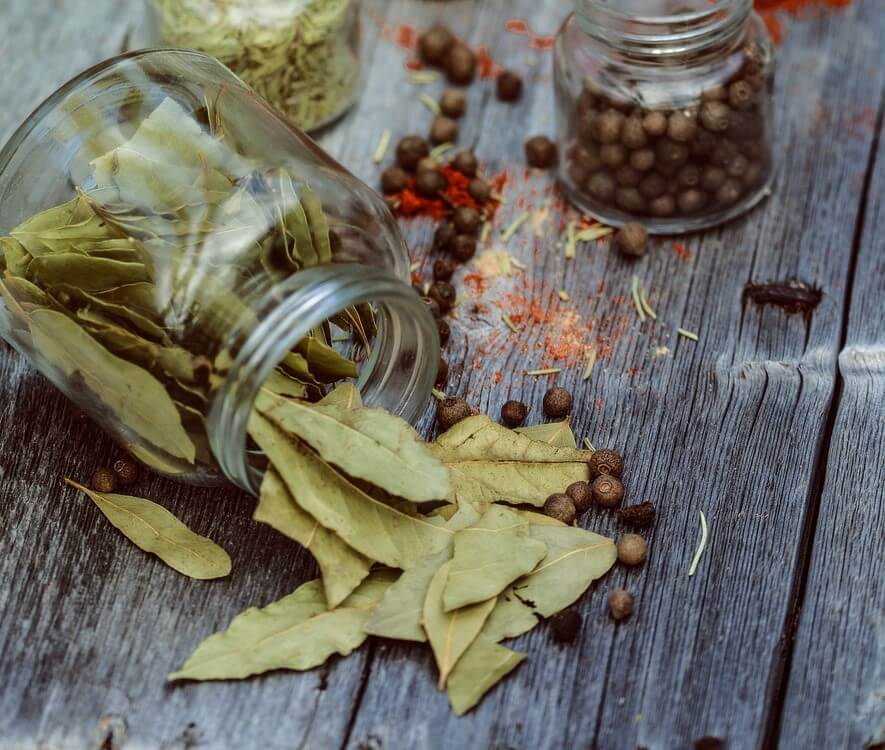
Bay leaves are traditionally used to give form to intention. Writing a goal on a bay leaf and burning it is a way of turning a thought into a physical act.
Others place bay leaves under a pillow or mattress, connecting intentions with rest and subconscious processing. The idea is that goals don’t need constant effort. Sometimes they need space to settle.
Bay leaves show up in many cultures as symbols of victory, clarity, and direction, which is why they remain popular in money-focused practices.
Read also: 3 Powerful Money Spells With Bay Leaves For Abundance
How to Use Herbs for Abundance in Everyday Ways

Creating Herbal Sachets
Herbal sachets are simple and practical. Combine dried basil, mint, and cinnamon in a small cloth bag. Place it where money decisions happen or carry it with you.
The purpose isn’t superstition. It’s reinforcement. Each time you see or touch the sachet, your focus returns to intention and awareness.
Brewing Abundance Tea
Tea rituals slow things down. Chamomile works well here, but rosemary or ginger can be added if you want more alertness.
While the tea steeps, think about what you’re working toward financially. Drink it slowly. This isn’t about visualizing unrealistic outcomes. It’s about aligning your thoughts with action and patience.
Burning Herbs to Reset Energy
Burning dried bay leaves or herb bundles has long been used to mark transitions. When finances feel stuck or heavy, this kind of ritual can help mentally reset the space.
While the herbs burn, speak clearly about what you want to change. Paying off debt. Finding better work. Feeling more secure. Saying it out loud matters more than the herbs themselves.
Working With Herbs Over Time
You don’t need all five herbs. One is enough if it resonates with you. Plants work best when they become part of your routine, not something you only touch once.
Herbs don’t replace effort or planning. They support focus, consistency, and mindset. When used that way, they stop being symbolic and start becoming practical tools woven into daily life.