


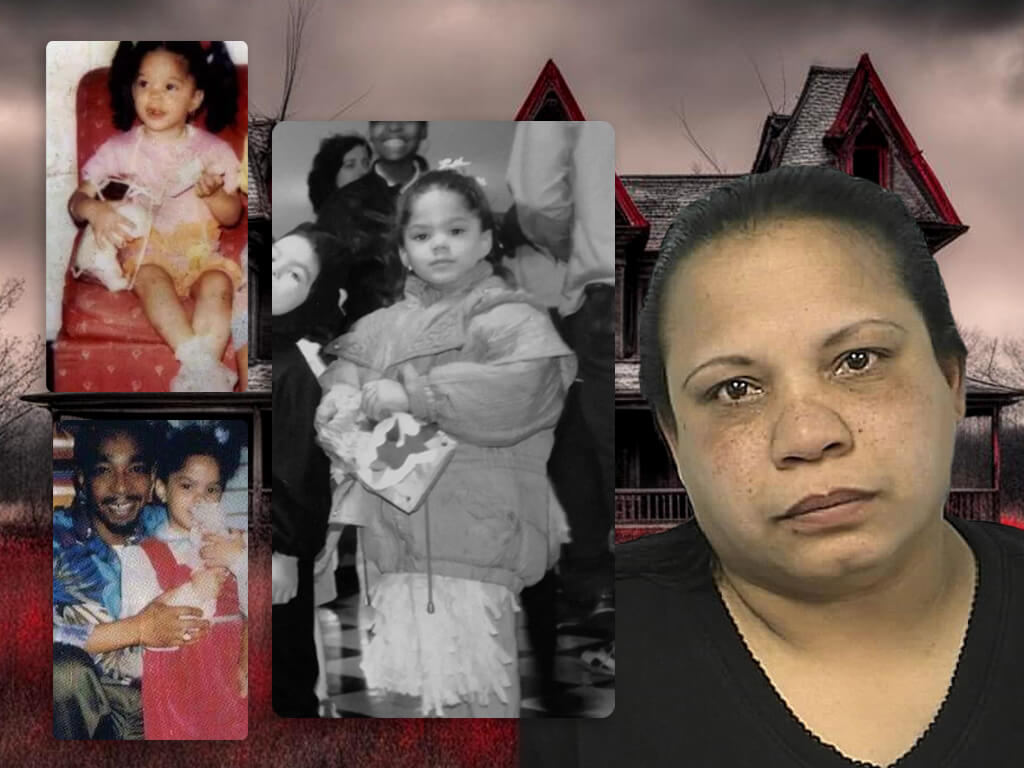
The name Elisa Izquierdo still carries weight in New York history. Not because she was famous, but because her death exposed how badly institutions can fail a child who repeatedly asked for help.
Elisa was six years old. She loved school, singing, and dancing. Teachers described her as bright and affectionate. Her father called her his princess. Yet despite documented injuries, medical symptoms, school reports, and direct statements from the child herself, the system returned her to the one place she feared most.
This is the story of Awilda Lopez, the woman convicted of Elisa’s murder, and why her case continues to provoke anger decades later.
Elisa’s Early Life and Her Parents
Awilda Lopez had already lost custody of two children before Elisa was born. She struggled with cocaine addiction and unstable housing and lived in shelters at different points. Elisa’s father, Gustavo Izquierdo, was a Cuban immigrant who worked multiple jobs while pursuing dance professionally.
When Elisa was born, child protective services became involved immediately due to Awilda’s substance use. Custody was granted to Gustavo. From all available accounts, he was a devoted parent. He enrolled Elisa in a private school and ensured she was cared for, stable, and loved.
Teachers reported Elisa thrived during this period.
Contact With Her Mother and Early Warning Signs
As Awilda began rebuilding her life, married Carlos Lopez, and regained custody of her older children, she petitioned the court for visitation with Elisa. Supervised visits were approved.
Almost immediately, alarming patterns appeared.
After visits, Elisa returned withdrawn, ill, and injured. Teachers observed bruises, behavioral regression, bedwetting, vomiting, and fear. Elisa told adults that her mother hit her, locked her in closets, and hurt her body. A social worker documented her statements.
Gustavo and school officials repeatedly reported concerns and requested that visits be stopped.
The court refused.
The Turning Point: Gustavo’s Death
Gustavo planned to return to Cuba with Elisa, believing distance would protect her. Before that could happen, he was hospitalized with lung cancer and died shortly after diagnosis.
Within days, Awilda Lopez petitioned for full custody.
Despite:
- documented injuries
- school reports
- social worker notes
- opposition from Gustavo’s family
- testimony from educators
The court granted custody to the mother.
This decision would later be cited as one of the most devastating judicial failures in New York child welfare history.
What Happened After Elisa Was Returned
Once Elisa lived full-time with her mother, contact with outside adults sharply decreased. Kindergarten staff noticed new injuries, hair loss, difficulty walking, and extreme withdrawal. Attendance became inconsistent. Elisa stopped playing.
Neighbors later reported hearing screams and pleas coming from the apartment.
The abuse was extreme and prolonged.
Investigators later confirmed Elisa was:
- beaten regularly
- burned
- sexually assaulted
- forced to ingest bodily waste
- isolated from siblings
- locked in rooms for extended periods
Multiple reports had been filed. None resulted in removal.
Elisa’s Death
Two days before her death, Awilda slammed Elisa’s head into a concrete wall. Elisa could not walk, speak, or eat afterward. No medical help was sought.
On November 22, 1995, Elisa was found unresponsive in her bed.
She died from blunt force trauma to the head, with extensive evidence of prior abuse.
She was six years old.
Trial and Sentence
Awilda Lopez denied responsibility and denied abuse. Physical evidence contradicted her claims.
In 1996, she was convicted of second-degree murder and sentenced to life in prison with the possibility of parole after 15 years.
At sentencing, prosecutors emphasized that Elisa’s death was not sudden or isolated, but the final act in a long pattern of torture.
Parole and Public Reaction
Awilda Lopez became eligible for parole in 2010 and was denied multiple times.
In April 2022, after serving over 25 years, she was released.
The reaction was immediate and visceral.
Not because of speculation or rumor, but because:
- the abuse was documented
- the system ignored repeated warnings
- Elisa had asked for help
- officials knew she was unsafe
For many, her release symbolized not rehabilitation, but institutional failure without accountability.
As of 2026, Awilda Lopez lives under parole supervision. Her exact location is not public.
Why This Case Still Haunts People
The outrage surrounding this case does not come from curiosity or sensationalism. It comes from clarity.
This was not a hidden crime.
It was not subtle.
It was not unknowable.
Teachers, social workers, relatives, and the child herself raised alarms.
They were ignored.
Elisa’s Law
Elisa’s death led to legislative change in New York.
“Elisa’s Law” allows greater transparency in child welfare cases after a child’s death. Previously, confidentiality rules prevented public accountability even when agencies failed.
The law exists because silence protected institutions, not children.
The Question That Never Went Away
When people ask, “Where is Awilda Lopez now?”, the real question underneath is different.
It is:
How many chances did the system have to save Elisa?
And why did none of them matter?
Elisa Izquierdo’s name remains known not because of tragedy alone, but because her story forced the public to see what happens when warnings are dismissed and responsibility is diluted.
Her case is remembered because it should never have been allowed to happen.