


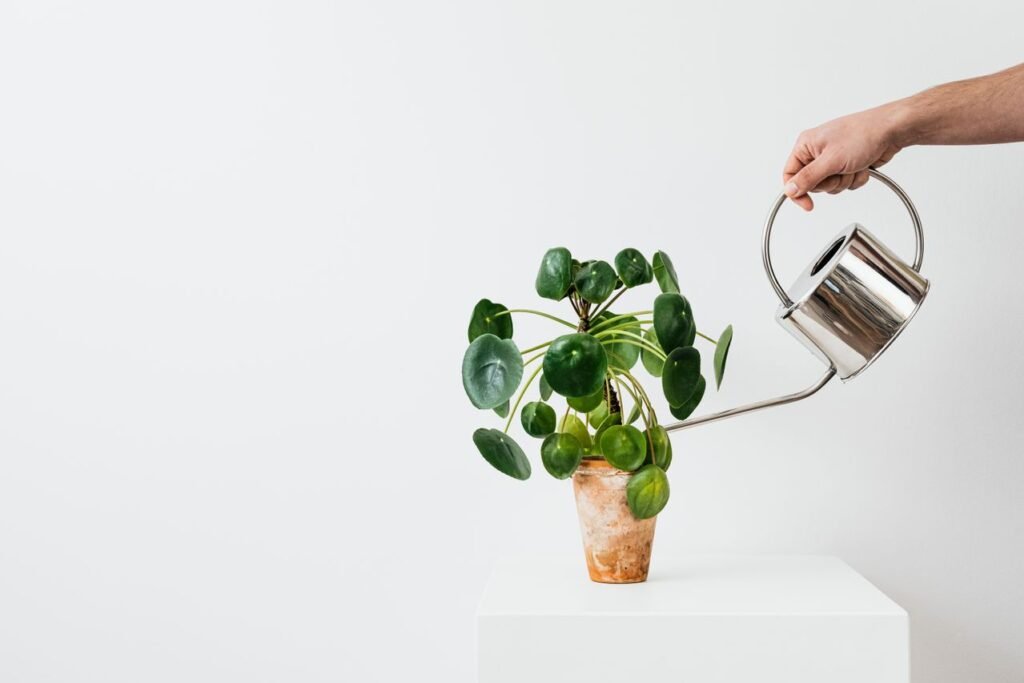
In Feng Shui, healthy green plants represent the Wood element, growth, expansion, and living chi, which explains their strong association with money and prosperity. Some have an additional wealth connection because of coin-shaped leaves, auspicious names, upward growth, or their use in Chinese tradition.
The southeast, traditionally associated with wealth in the Bagua, is the best-known location for a money plant. Your home office, business, desk area, and entrance can also be suitable depending on the plant.
Here are ten plants commonly associated with financial luck and abundance.
1. Money Tree
The money tree (Pachira aquatica) is probably the best-known Feng Shui plant for wealth. Its name alone has made it popular in homes and businesses, but the symbolism also comes from its five-lobed leaves, which are associated with the Five Elements.
Money trees are often sold with several trunks braided together. The braid is traditionally said to “lock in” good fortune, with the leafy canopy representing expanding prosperity above it.
Place one in the southeast wealth area, office, or living room. Bright indirect light works best.
2. Jade Plant
With thick, rounded leaves resembling small coins, the jade plant (Crassula ovata) has an obvious connection with accumulated wealth.
It is especially popular near the entrance of businesses, shops, and offices, where its coin-like leaves symbolize money entering and remaining in the establishment.
A healthy jade plant near your front entrance, office entrance, or southeast sector is considered auspicious. Give it plenty of light and allow the soil to dry between waterings.
3. Lucky Bamboo
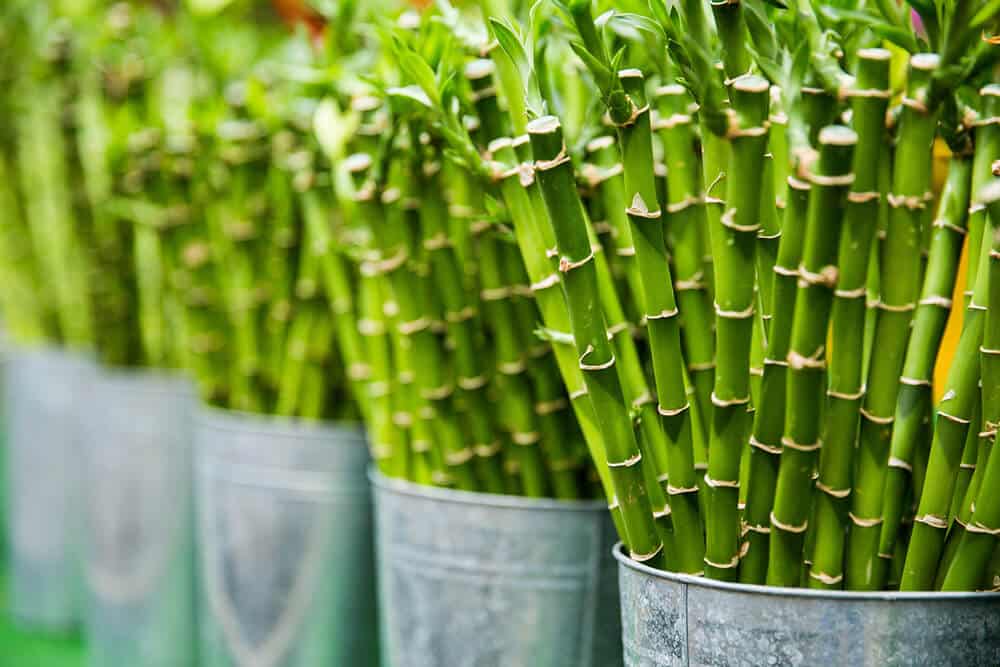
Despite its name, lucky bamboo (Dracaena sanderiana) is technically a Dracaena rather than true bamboo. In Feng Shui, its upright stalks represent growth and resilience.
The number of stalks can carry additional meaning. Three stalks are commonly associated with happiness, wealth, and longevity, whereas eight stalks are particularly popular for prosperity because eight is an auspicious number associated with wealth in Chinese culture.
Keep lucky bamboo in the southeast for wealth or east for family and health. If grown in water, change the water regularly and keep the container clean.
4. Chinese Money Plant
The Chinese money plant (Pilea peperomioides) has almost perfectly round leaves that resemble coins.
Its leaves grow outward on long stems, giving the plant an expanding shape that works beautifully with wealth symbolism. It also produces small offshoots around the mother plant, creating another association with multiplication.
A desk, home office, or wealth area is an appropriate location.
5. Golden Pothos
Golden pothos has vigorous trailing vines and heart-shaped green leaves streaked with yellow or gold. Its fast growth and golden coloring have given it a strong modern association with prosperity.
It is also useful for corners, shelves, and areas where you want living greenery without taking up much floor space.
Allow the vines to grow freely instead of leaving the plant badly tangled or neglected.
6. Citrus Tree
A lemon, orange, mandarin, or kumquat tree carries especially rich prosperity symbolism when it bears fruit.
Citrus fruits have long been associated with abundance and good fortune in Chinese culture, and orange and gold-colored fruits visually resemble coins. Mandarin and kumquat plants are particularly popular around Lunar New Year.
Place a small citrus tree somewhere with plenty of sunlight, such as a bright living room, conservatory, balcony, or entrance area suitable for the plant’s growing conditions.
7. Rubber Plant
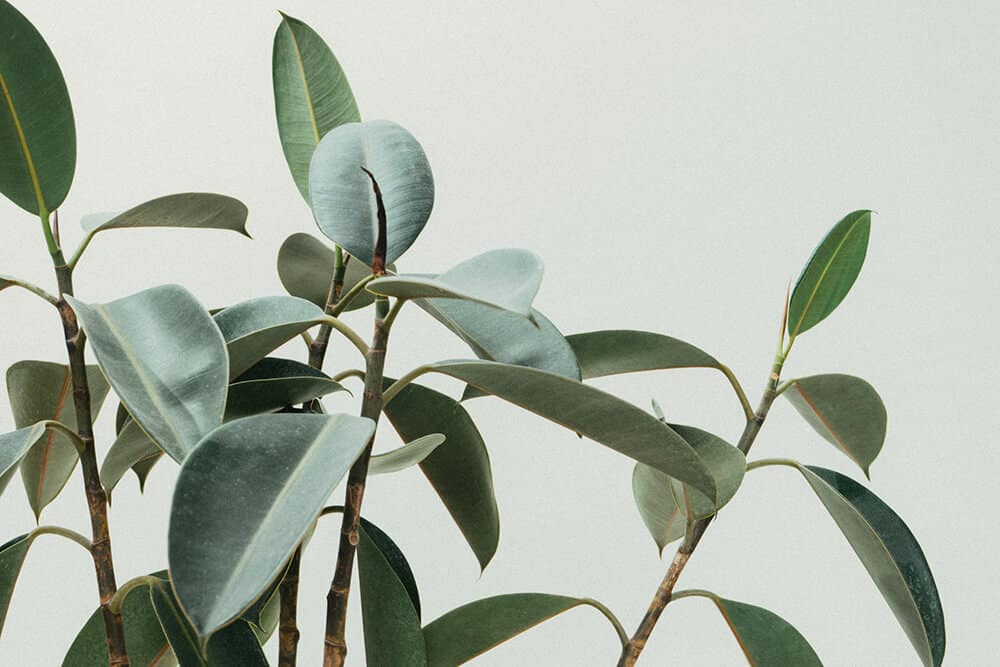
The rubber plant (Ficus elastica) has broad, rounded leaves that fit the Feng Shui preference for lush plants without sharp or spiky foliage.
Its large leaves suggest expansion and abundance, making it a popular choice for offices and wealth areas. Because rubber plants can grow quite large indoors, they also work well when you want a substantial Wood-element presence.
Give it bright indirect light and enough room for its leaves to spread.
8. Peperomia
Several Peperomia varieties have thick, rounded leaves that resemble coins, giving them a natural place among Feng Shui wealth plants.
Their compact size makes them especially useful on desks, shelves, reception counters, and smaller southeast corners where a money tree or rubber plant would overwhelm the space.
Choose a variety with healthy, full foliage and remove yellowing leaves promptly.
9. Orchid
Orchids are associated with abundance, refinement, fertility, and good fortune in Chinese symbolism. Their connection with prosperity comes less from leaf shape and more from their long cultural association with elegance and auspicious living.
A healthy flowering orchid works well in a living room, office, or wealth area. Purple orchids are particularly suitable when you want to emphasize traditional wealth symbolism, since purple is commonly used in modern Feng Shui interpretations of the southeast wealth sector.
Remove dead flower stems and damaged leaves instead of keeping a declining orchid on display indefinitely.
10. Money Plant
The name money plant is used for several different species depending on the country, including pothos, jade, and other plants with rounded or abundant foliage.
If a plant is traditionally called a money plant where you live, much of its symbolism comes from that association itself. Choose one with lush upward or spreading growth and keep it healthy.
A thriving plant represents expanding Wood energy. A dying “money plant” with dry leaves and bare stems sends a very different visual message.
The Best Places for Your Plants
The southeast corner is the traditional wealth area in the Bagua and the most obvious place for a money plant. Wood belongs naturally to this sector, so living plants are commonly used to strengthen it.
The entrance is another popular location because it represents incoming chi and opportunities. Offices, desks, shops, and areas where you manage finances can also accommodate wealth plants.
Avoid keeping dying plants, dried leaves, stagnant water, or empty pots in your wealth area. Remove dead growth and replace plants that can no longer be restored.
You also need far fewer plants than you might expect. One flourishing money tree or jade plant has stronger wealth symbolism than a shelf crowded with neglected pots.
More Feng Shui Tips for Wealth
- Feng Shui Money Frog Without a Coin (or Broken): Dos and Don’ts
- The Feng Shui Wallet: Color, Shape, and Money Habits
- 5 Hidden Money Plant Disadvantages No One Talks About
- Pixiu Ring in Feng Shui: Meaning, Wealth & How to Wear It