

When people talk about Feng Shui and money, they usually imagine symbols, coins, or lucky objects. Plants often get overlooked, even though they play a quiet but important role in how a space supports growth and stability.
In Feng Shui, money connects to movement, upkeep, and continuity. It shows up through habits, environment, and how well resources are allowed to grow instead of getting stuck or drained away. Plants fit into this naturally. They grow slowly, respond to care, and change over time. Their condition reflects what’s happening beneath the surface.
Using plants for money and wealth in Feng Shui isn’t about instant results. It’s about creating a space that supports consistency, opportunity, and long-term balance. Some plants have traditionally been linked to these themes because of how they grow, where they’re placed, and what they symbolize in daily life.
Money Tree (Pachira Aquatica)
The money tree is one of the most talked-about Feng Shui plants, and not by accident. Its braided trunk and rounded leaves symbolize growth that’s organized and intentional. Expansion that happens with structure, not impulse.
In Feng Shui, the money tree connects to financial awareness and responsibility. It’s often linked to maintaining income and supporting long-term stability rather than sudden gains. That’s why people naturally place it in workspaces, home offices, or areas connected to ongoing goals.
Placement tip: The money tree is traditionally placed in the southeast area of a home or room, which is associated with wealth and resources. It prefers bright, indirect light and a consistent environment.
Care matters more than symbolism here. A healthy, well-kept money tree reinforces support and continuity. A neglected one does the opposite.
Weeping Fig (Ficus Benjamina)
The weeping fig is connected less to quick money and more to continuity. Its dense leaves and strong structure are often associated with family stability, shared resources, and long-term security.
This plant tends to show up in Feng Shui when the focus is sustaining income, building something over time, or stabilizing a household’s financial rhythm.
Placement tip: Works well in the southeast of a workspace or in rooms where decisions and planning happen. It prefers consistency. Sudden moves or neglect often stress it, which mirrors its symbolism pretty accurately.
Lucky Bamboo
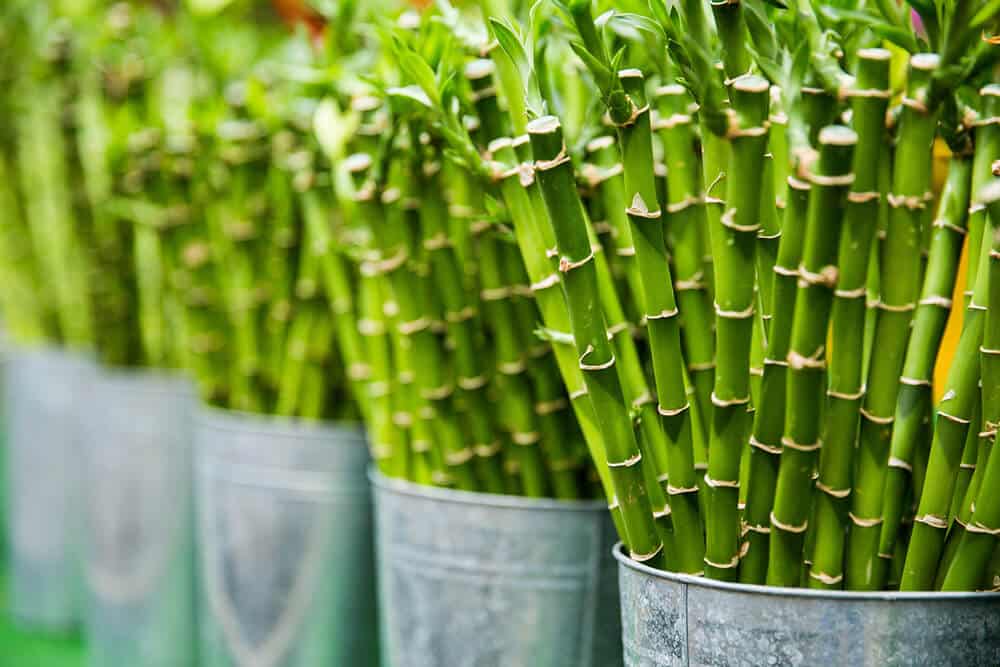
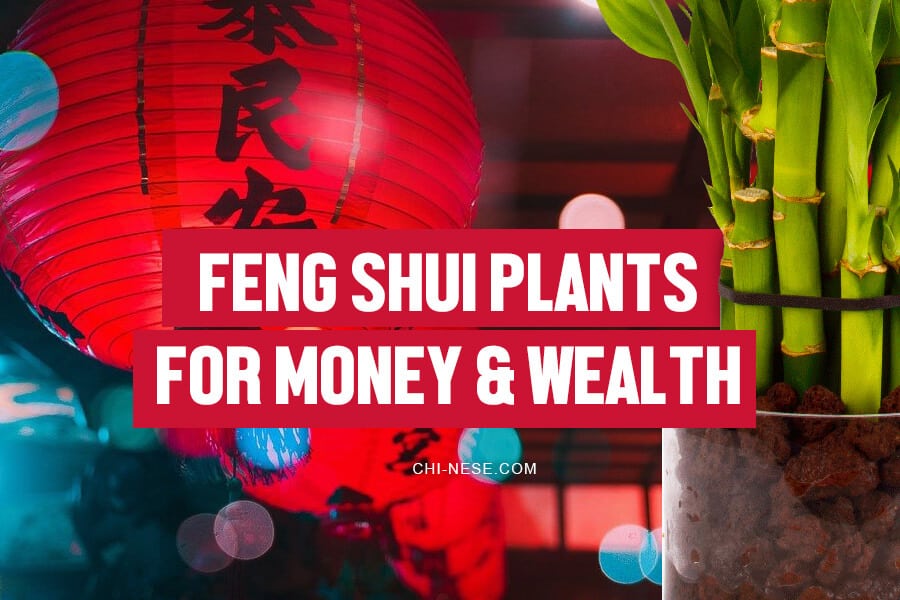
Lucky bamboo is more symbolic than botanical, but it’s still widely used. Its meaning depends largely on where you place it and how you care for it, not just on having it.
Rather than “attracting money,” lucky bamboo supports alignment with opportunity. It’s often used during transitions: career changes, new projects, or periods where direction matters.
Placement tip: Southeast for money and growth. North for career movement. Keep the water clean. Stagnant water cancels out the intention entirely.
Jade Plant
The jade plant is often misunderstood. It’s not about bringing money in fast. It’s about holding onto what you already have.
Its thick leaves symbolize accumulation and preservation. This plant is commonly used when someone wants financial steadiness, fewer losses, or better habits around spending.
Placement tip: Near entrances, desks, or places where financial decisions are made. It doesn’t need a strict directional rule, but it does need light and visibility. A jade plant hidden away loses its symbolic role.
Rubber Tree
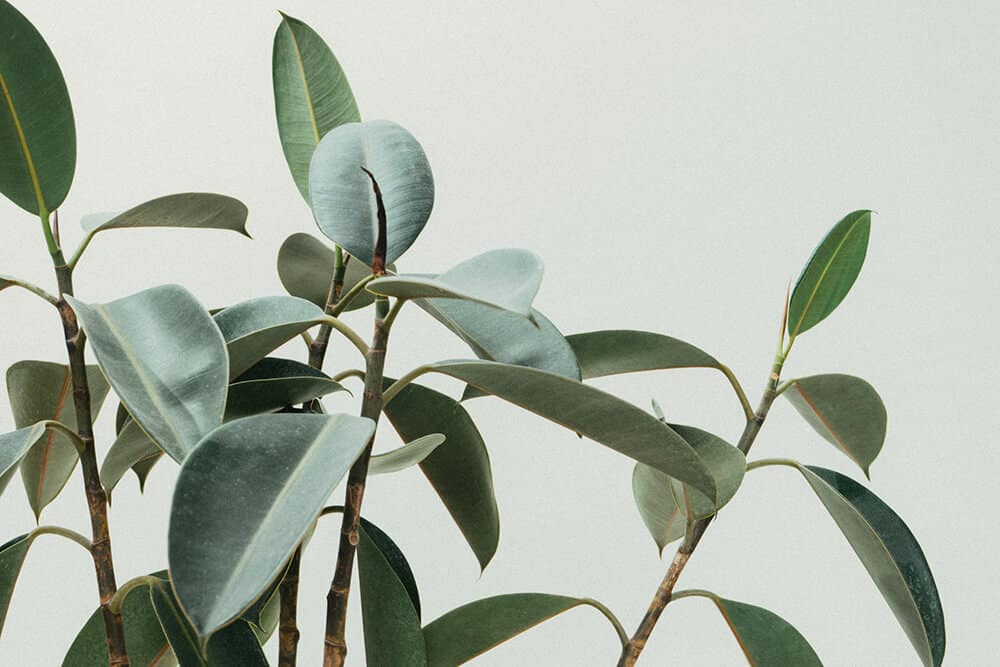
Rubber trees are associated with endurance. They connect to long cycles, responsibility, and staying consistent over time. In Feng Shui, this plant fits situations where income grows through effort, patience, and sustained work rather than quick returns. It’s a plant that supports continuity and follow-through.
Placement tip: Put it somewhere you see regularly. Visibility reinforces its meaning. Avoid tucking it behind furniture or curtains. A rubber tree thrives when its space feels intentional, not forgotten.
Eucalyptus (Fresh or Dried)
Eucalyptus isn’t traditionally a wealth plant, but it shows up in modern Feng Shui because of its cleansing role. Money flow often improves when stagnant energy clears first.
This plant supports mental clarity, fresh starts, and letting go of stress tied to finances.
Placement tip: Near entrances or in work areas. Even dried eucalyptus can serve this purpose if it’s clean and intentional.
Placement and Expectations
Plants don’t replace effort, and Feng Shui was never meant to work like that. What plants do is support spaces where effort has somewhere to land. They help create conditions where work, planning, and consistency don’t leak away the moment life gets busy.
Less really is more here. Too many plants can make a space feel crowded and unfocused. Unhealthy plants quietly undermine the intention altogether. Artificial plants don’t carry the same symbolism or energetic role, no matter how realistic they look. One well-cared-for plant, placed with intention, does far more than several plants that are ignored.
If you’ve already activated the southeast area of your home, often called the money corner, placing a healthy plant there can help anchor what you’re building. It doesn’t create money on its own, but it reinforces growth that’s already in motion and helps it feel more stable over time.
Letting Chi Do Its Job
Feng Shui plants for money are about creating conditions where growth feels possible and sustainable, not about luck. When your space supports steadiness, clarity, and care, finances tend to follow the same pattern. Not overnight. Not magically. Just naturally. And that’s the kind of abundance Feng Shui actually works with.