


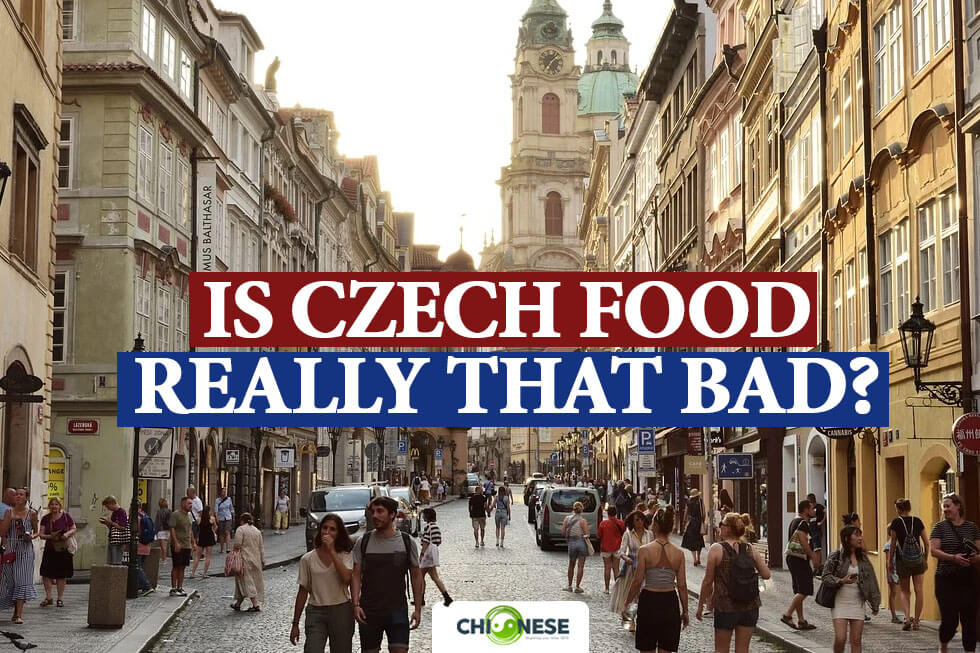
As someone born and raised in the Czech Republic, I never questioned whether our food was “good” or “bad.” It was just food. Normal food. Stuff you eat at home, at grandma’s, or after a long day. But after years of traveling, scrolling Reddit, and hearing foreigners rank Czech cuisine near the bottom of Europe, I started asking myself where this reputation even comes from.
Is Czech food really that heavy, bland, and unhealthy, or is it just misunderstood?
Dumplings, Creams, and Heavy Plates Everywhere
If you search for Czech food online, you’ll mostly see dumplings, thick sauces, goulash, sausages, fried cheese, and plates that look like they could put you to sleep for six hours. And yes, those dishes exist. No one is denying that.
What people miss is frequency. Most Czechs don’t eat svíčková or roast pork with dumplings every day. These are restaurant meals, holiday meals, or something you order when you want comfort food. They’re not the daily reality.
At home, meals are usually simpler. Meat with vegetables, potatoes, rice, soups, lighter sauces. Traditional dishes are treated more like treats, not everyday fuel. Tourists often judge Czech food based on what they’re served in the center of Prague, which is like judging Italian food solely by airport pizza.
Czech Food Isn’t Spicy, and That’s the Point
One common complaint is that Czech food is “boring” because it isn’t spicy. That part is true. Czech cuisine doesn’t rely on heat.
Typical seasonings include garlic, marjoram, cumin, caraway seeds, parsley, onion, and black pepper. The focus is on depth, not fire. If you’re used to chili, curry, or heavy spice blends, Czech food might taste plain at first. But that doesn’t make it bad. It just means it plays a different game.
Czech cooking is built around balance and comfort, especially for colder weather. It’s meant to fill you up and keep you going, not overwhelm your taste buds.
Czech Food Won’t Automatically Make You Gain Weight
Yes, Czech food can be higher in calories, carbs, and fats. That alone doesn’t make it unhealthy. Context matters.
Portion size matters. Frequency matters. What you eat the rest of the day matters. Three dumplings with sauce might actually be lighter than a salad drowned in creamy dressing with cheese and croutons. “Healthy” food isn’t always low-calorie just because it looks green.
Many Czech dishes are made from basic ingredients: vegetables, meat, grains, legumes. Nothing ultra-processed. When eaten in reasonable portions, they fit into a normal diet just fine.
Yes, Czechs Eat Fish
Another myth is that Czechs don’t eat fish because the country has no sea. That’s not how it works.
Carp has been part of Czech cuisine for centuries, especially at Christmas. Fried carp with potato salad is a holiday staple. Some people love it, some tolerate it, some secretly wish for schnitzel instead, but it’s deeply traditional.
Besides carp, trout and pike are common, especially in regions with rivers and ponds. Smoking fish is also popular. Many people catch fish themselves or get it from friends or neighbors. The only downside is the tiny bones, which is why Czech hospitals see a spike in Christmas fish-related incidents every year.
Czechs Are Serious About Soup
Soup isn’t a side dish in Czech culture. It’s a proper meal.
Czech soups are thick, filling, and packed with vegetables, legumes, meat, or potatoes. Garlic soup, lentil soup, beef broth, potato soup. These aren’t decorative starters. They’re functional.
Soup is also the national hangover remedy. After a night out, a hot bowl of soup is considered basic survival equipment. And if you grew up with Czech grandparents, you were probably told that chicken broth cures everything from a cold to heartbreak.
Why Tourists Get the Wrong Impression
Most visitors eat Czech food in tourist-heavy areas where prices are high and quality is inconsistent. They order the most traditional-looking dish, get a huge portion, feel overwhelmed, and conclude that Czech cuisine is heavy and repetitive.
Locals eat those meals occasionally, usually made better and cheaper at home or in non-touristy restaurants. What tourists see is a narrow slice of a much broader food culture.
Why Czech Food Deserves More Respect
Czech cuisine doesn’t rely on trends or presentation. It’s practical, filling, and built for real life, real weather, and real hunger. It’s not meant to impress Instagram. It’s meant to keep you warm, fed, and functional. And when you understand that, Czech food starts making a lot more sense.