


People talk about words having “high vibrations” all the time, but it’s rarely explained in a way that feels concrete. It often turns into slogans, affirmations pasted everywhere, or phrases repeated without much thought. That misses the point.
Words matter because they shape how you think, how you interpret situations, and how you speak to yourself when no one else is listening. That internal dialogue quietly sets the tone for how you move through your day. Over time, it influences your habits, decisions, and even what you notice or ignore.
This is where the idea of high-vibration words comes in. Not as magic spells, and not as something you have to force, but as language that tends to support clarity, stability, and forward movement instead of reinforcing stress, scarcity, or self-criticism.
What “High Vibration” Means in Plain Terms
When we say a word has a high vibration, we usually mean this:
- The word encourages openness instead of shutdown
- It creates a sense of possibility instead of limitation
- It supports self-respect instead of self-attack
Low-vibration language tends to do the opposite. It narrows your thinking, reinforces tension, and keeps you stuck in the same mental loops.
This isn’t about pretending everything is great. It’s about noticing how certain words repeatedly push your mindset in one direction or another.

Why Words Affect You More Than You Realize
You don’t just hear words. You respond to them internally.
When you repeatedly describe yourself or your life in certain ways, your brain treats that language as context. Over time, it becomes the default frame through which you interpret events.
Saying “I’m always exhausted” doesn’t just describe how you feel. It reinforces an identity tied to exhaustion. Saying “I’m handling a lot right now” leaves room for change.
The words themselves aren’t powerful on their own. The repetition is.
“I Am” and Why It Hits So Hard
“I am” statements matter because they tie language directly to identity. Whatever follows those two words tends to stick. Not instantly, but gradually. The brain treats it as information about who you are.
When people constantly say:
- “I am bad at this”
- “I am unlucky”
- “I am behind”
Those phrases don’t just express frustration. They build a narrative.
Using “I am” more carefully doesn’t mean lying to yourself. It means choosing language that doesn’t lock you into a box you’re trying to get out of.
Examples that support movement instead of pressure:
- I am learning as I go
- I am allowed to change
- I am capable of handling this
- I am open to better outcomes
These don’t deny reality. They leave space.
Gratitude as a Shift in Attention, Not a Performance
Gratitude gets misunderstood a lot. It’s often framed as something you should feel all the time, which isn’t realistic.
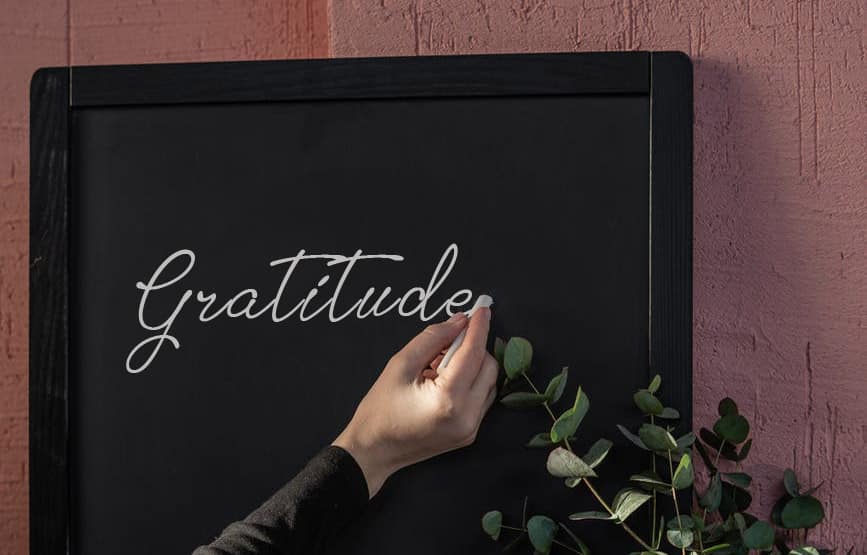
What gratitude actually does is redirect attention.
When you acknowledge what’s working, even briefly, your focus moves away from constant problem-scanning. That changes how you respond to situations. It doesn’t erase difficulty, but it prevents everything from blending into one long complaint.
Gratitude doesn’t need enthusiasm. It just needs honesty.
Examples that feel usable:
- I’m glad this worked out
- I appreciate having support here
- This part of my day went better than expected
That’s enough.
Love as Language, Not a Concept
The word love carries weight because it’s tied to connection, care, and safety. Not just romance.
Using the word love more often often shifts how people relate to themselves and others. Saying “I love how this turned out” or “I love that I tried” reinforces acceptance instead of constant evaluation.
Self-talk matters here. Many people reserve kindness for others and speak to themselves in ways they wouldn’t tolerate from anyone else.
Language that includes love tends to soften that internal pressure.
Examples:
- I love that I’m improving
- I love taking care of myself
- I love putting time into things that matter to me
Other Words That Tend to Raise Mental Energy
Some words naturally support steadier thinking and emotional balance. Not because they’re special, but because of what they point your attention toward.
- Calm: reduces urgency and panic
- Enough: counters constant comparison
- Growth: allows progress without perfection
- Trust: reduces over-control
- Health: reinforces care and consistency
- Stability: supports patience
- Clarity: encourages better decisions
- Support: reminds you that help exists
- Relief: signals release instead of tension
Using these words doesn’t guarantee outcomes. It changes orientation.

How to Use This Without Turning It Into a Project
This works best when it’s simple.
- Notice phrases you repeat when stressed
- Replace the harshest ones with neutral alternatives
- Pay attention to how different wording affects your mood
You don’t need to monitor every sentence. Just the ones that come up again and again.
Language shapes habit. Habit shapes life.
Speaking Differently Changes More Than You Think
Words don’t fix everything. They don’t override reality. But they quietly influence how you meet it.
When your language supports steadiness instead of pressure, things feel more manageable. Decisions feel clearer. Self-talk becomes less hostile.
That’s the real effect of high-vibration words. Not transformation overnight, but a gradual shift toward a way of thinking that doesn’t fight you at every step. And that alone makes a difference.
- List of Positive Words That Start With S
- List of Positive Words That Start With F
- List of Positive Words That Start With N