

Wayne Cooper was an early and important member of Cameo, a funk and R&B band that helped define a sound era in the late 1970s and 1980s. While Cameo continued to grow into a long-lasting and influential group, Wayne’s life and career were cut short, leaving behind more questions than clear answers.
His name still comes up whenever fans revisit Cameo’s early years, often followed by the same question: what actually happened to Wayne Cooper?
The Cameo Band
Cameo was formed in 1974 and initially performed under the name New York City Players. After signing with Casablanca Records, the group rebranded as Cameo and began shaping the energetic funk style that would later make them widely recognizable.
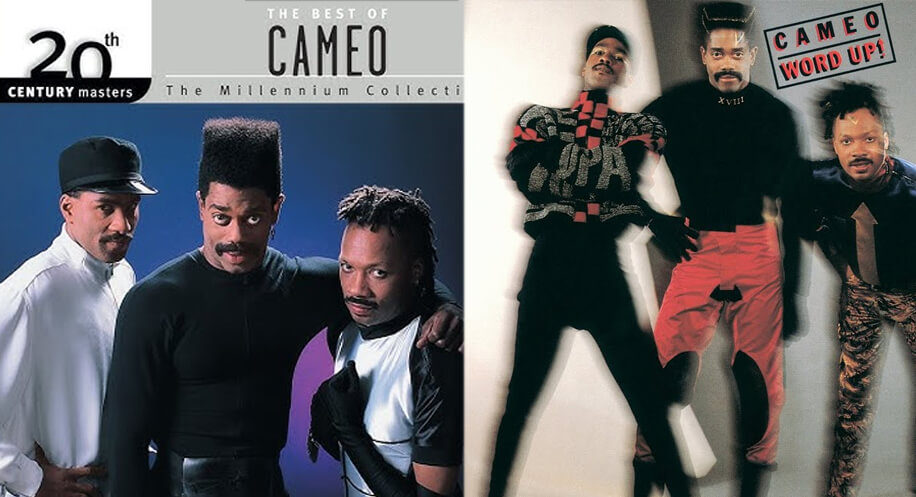
The band became known for tight rhythms, layered vocals, and a visual identity that stood out in a crowded funk scene. Led by Larry Blackmon, Cameo released a string of albums that found success on both R&B and pop charts. Songs like “Candy,” “Single Life,” and especially “Word Up!” became staples of funk radio and dance floors.
By the mid-1980s, Cameo had established itself as more than a trend-based group. Their sound carried into later decades, and the band continues to be referenced as one of the defining acts of its genre.
Wayne Cooper was part of the group during its formative years, contributing vocals at a time when the band was still finding its identity.
Wayne Cooper’s Role in Cameo
Wayne Cooper is often described as one of Cameo’s original or early vocalists. While he never became as publicly associated with the group as Larry Blackmon, his presence mattered during the band’s early period.
Because Cameo’s later success overshadowed its beginnings, details about individual early members are limited. Unlike later eras, band lineups and contributions from the 1970s were not documented online in real time, which makes reconstructing Wayne’s role more difficult today.
What is clear is that he was respected by people who worked with him and remembered by fans who followed the band closely from the start.
Wayne Cooper’s Death: What Is Known
Wayne Cooper passed away in 1984, but the exact cause of his death has never been officially confirmed in public records.
Over the years, several explanations have circulated among fans and in online discussions. One commonly repeated claim is that Wayne may have died from complications related to AIDS. This belief appears to come from second-hand accounts and conversations shared by people who said they knew members of the band or their circle at the time.
It is also frequently mentioned that Wayne was gay and in a long-term relationship, something that was rarely spoken about publicly in the music industry during that era. In the early 1980s, both homosexuality and AIDS were surrounded by stigma, misinformation, and fear. As a result, many deaths were explained vaguely or attributed to other causes.
At the same time, alternative rumors surfaced over the years, including claims of cancer or accidental death. None of these versions have ever been supported by official statements, interviews, or documentation.
Because of this, any discussion of Wayne Cooper’s cause of death should be approached with caution. What remains certain is that he died young and that his passing was never openly addressed in a clear or public way.
Why So Little Is Known About His Death
Very little verified information exists about Wayne Cooper’s death, and that isn’t unusual for the period he lived in. In the early 1980s, serious illness was often kept private, especially within the music industry. Labels, management, and families regularly avoided public statements to prevent speculation, stigma, or damage to an artist’s legacy.
For performers who were gay or rumored to be, silence was even more common. Health details were rarely discussed openly, and official records were often vague or never released. Wayne Cooper’s situation reflects that reality. The absence of clear documentation says more about the era than about his importance or impact.
Remembering Wayne Cooper
Wayne Cooper is remembered today mostly through fragments: early Cameo performances, mentions by longtime fans, and conversations that resurface whenever the band’s history is discussed.
He had a strong voice and was part of a group that went on to leave a lasting imprint on funk and R&B music. While his solo potential was never explored publicly, many believe his career could have taken a different path had he lived longer.
What remains is the music, the influence, and a story that still feels unfinished.
If more verified information about Wayne Cooper ever becomes available, it deserves to be documented with care and accuracy. Until then, his contribution to Cameo’s early years stands as his legacy.