


Missing teeth affects more than just appearance. It changes how people eat, speak, and interact with others. The good news is that modern dentistry offers solutions that can genuinely restore quality of life, not just fill gaps. Understanding what’s available helps anyone dealing with tooth loss make decisions that work for their situation and their future.
Why Tooth Replacement Goes Beyond Aesthetics
When teeth go missing, the changes start immediately. Chewing becomes harder, certain foods drop off the menu entirely, and speaking clearly takes more effort than it should. But there’s more happening beneath the surface. The jawbone begins to shrink without tooth roots to stimulate it, which eventually affects facial structure. That’s why people who’ve been missing teeth for years sometimes develop that sunken look around the mouth and cheeks.
The psychological impact runs deeper than most people expect. Avoiding photos, covering the mouth when laughing, turning down dinner invitations because eating in public feels embarrassing—these aren’t small inconveniences. They’re life-limiting habits that build up over time. The right restoration doesn’t just fix teeth. It removes those barriers and brings back the confidence to live normally again.
Permanent Solutions That Actually Work
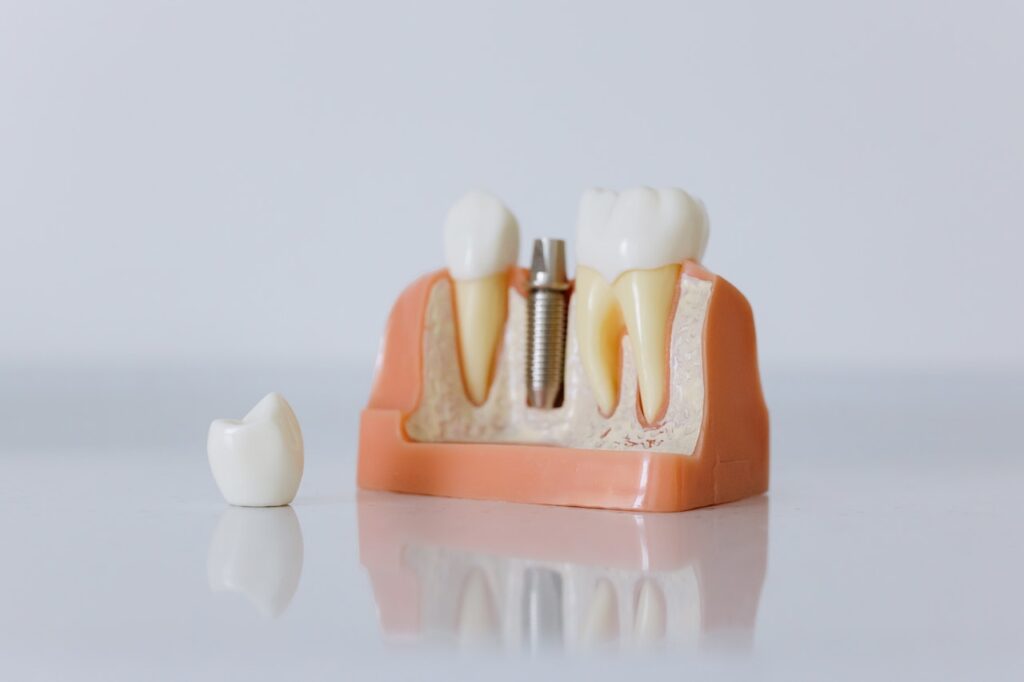
For people looking at long-term options, teeth implants have become the standard that other treatments get compared against. They work by placing a titanium post into the jawbone, which fuses with the bone over several months. Once healed, a custom crown attaches to the post, creating something that functions just like a natural tooth. The process takes time, but the results can last decades with proper care.
What makes implants stand out is how they preserve bone structure. Because they replace the root as well as the visible tooth, they provide the stimulation that keeps the jawbone healthy and strong. This prevents the bone loss that happens with other replacement options, which means facial structure stays intact. People who get implants often report forgetting which teeth are natural and which are replacements because they feel so similar.
The cost reflects the complexity and longevity of the treatment. A single implant typically runs several thousand pounds, and multiple implants obviously multiply that expense. But when you calculate the lifespan—often 20 years or more—and factor in that they don’t require replacement or affect adjacent teeth, the value proposition starts making sense. They’re an investment that pays off through years of reliable function.
When Multiple Teeth Need Replacing
Losing several teeth creates different challenges than losing just one. Traditional partial dentures can restore some function, but they come with trade-offs. They rest on the gums and attach to remaining teeth with clasps, which means they can shift during eating or speaking. Many people find them uncomfortable, and there’s an adjustment period that some never fully get past.
Implant-supported bridges offer a middle ground that combines stability with coverage. Instead of replacing every missing tooth with an individual implant, dentists can place two or three implants and attach a bridge that spans the gap. This approach works well for people missing three or four consecutive teeth, providing the security of implants without the expense of replacing each tooth individually.
For those dealing with complete tooth loss in one or both arches, full-mouth restoration has evolved considerably. All-on-4 treatment places four strategically angled implants that support an entire arch of teeth. The procedure can often be completed in a single day, with patients leaving the office with a functional set of teeth. Recovery takes time, but the transformation from having no teeth to having a full smile happens remarkably quickly compared to older methods.
Removable Options That Have Improved
Not everyone wants or qualifies for permanent solutions right away, and that’s where modern removable dentures come in. They’ve come a long way from the uncomfortable, obviously fake-looking versions that people associate with their grandparents. Today’s dentures use better materials, more precise fitting techniques, and improved suction or adhesive methods that keep them stable.
The main advantage of dentures is accessibility. They’re the most affordable option for full-mouth restoration, and they don’t require surgery. For people with medical conditions that make surgery risky, or those who want to test out having teeth again before committing to permanent solutions, dentures provide a functional starting point.
The downside is that they don’t stop bone loss, and they require periodic adjustments as the jaw changes shape over time. Eating takes more care—sticky foods, tough meats, and crunchy vegetables can be challenging. But for many people, dentures represent a significant improvement over having no teeth at all, and they can always serve as a temporary solution while planning for something more permanent.
Making the Choice That Fits Your Life
Choosing a restoration method involves balancing several factors. Budget obviously matters, but so does timeline. Some people need immediate results for work or social commitments, while others can manage a multi-month process. Health conditions affect eligibility for certain treatments, and personal preferences about maintenance and commitment level vary widely.
The best approach usually starts with a thorough consultation that assesses bone health, gum condition, and overall oral health. X-rays and scans show what’s actually possible, and a good dental team will explain the realistic outcomes for each option. This isn’t about selling the most expensive treatment—it’s about finding what actually works for each person’s situation.
Living With Restored Teeth
People who’ve gone through smile restoration consistently report that the change goes far beyond their mouth. They eat foods they’ve avoided for years. They smile freely in photos. They stop worrying about teeth shifting or clicking during conversations. These might seem like small things, but they add up to a completely different daily experience.
The maintenance requirements vary by treatment type, but all restored teeth benefit from the same basics: regular brushing, flossing, and professional cleanings. Implants need the same attention as natural teeth, while dentures require their own cleaning routine. The effort is minimal compared to the return—having teeth that work properly and look natural makes ordinary activities feel effortless again.
Modern smile restoration offers real solutions for anyone dealing with tooth loss. Whether through permanent implants, supported bridges, or improved dentures, the options available today can genuinely give people their lives back. The key is understanding what each method offers and choosing the approach that aligns with personal needs, health factors, and long-term goals. Because having teeth shouldn’t be something people have to compromise on.