


Losing someone close changes how everything feels, including your home. Their absence is one thing. The objects they left behind are another. A jacket still hanging by the door. A handwritten note in a drawer. The mug they reached for every morning. Sorting through these belongings is often one of the most difficult parts of grieving, because it’s where memory meets daily life.
Feng Shui doesn’t approach this with rules or pressure. It doesn’t ask you to erase the past or part with things before you’re ready. What it does is it focuses on balance. On how to honor what feels meaningful, while also allowing your living space to support where you are now.
Deceased Belongings: Keep Them or Let Them Go?
In Feng Shui, personal belongings are linked to daily routines and habits. Items someone used often can feel closely tied to their presence, which can be especially noticeable after a loss.
Keeping a large number of these items in active living areas can make a home feel paused in time. Not because the objects are harmful, but because they continually pull attention backward. Feng Shui generally suggests letting go of deceased belongings or limiting how much of them remain in the main flow of the home.
Letting go doesn’t mean discarding everything. Donating clothes, books, or furniture can be a meaningful choice. Those items continue to be useful, rather than sitting unused and heavy with memory. For many people, this feels more respectful than storing everything indefinitely.
If you’re not ready to part with certain belongings, that’s completely valid. Placing them outside of daily living spaces often helps. Storage areas, a dedicated keepsake box, or even a separate room can hold memory without letting it dominate everyday life.
The intention is not removal, but balance. Living spaces work best when they support the present moment.
What About Photos?
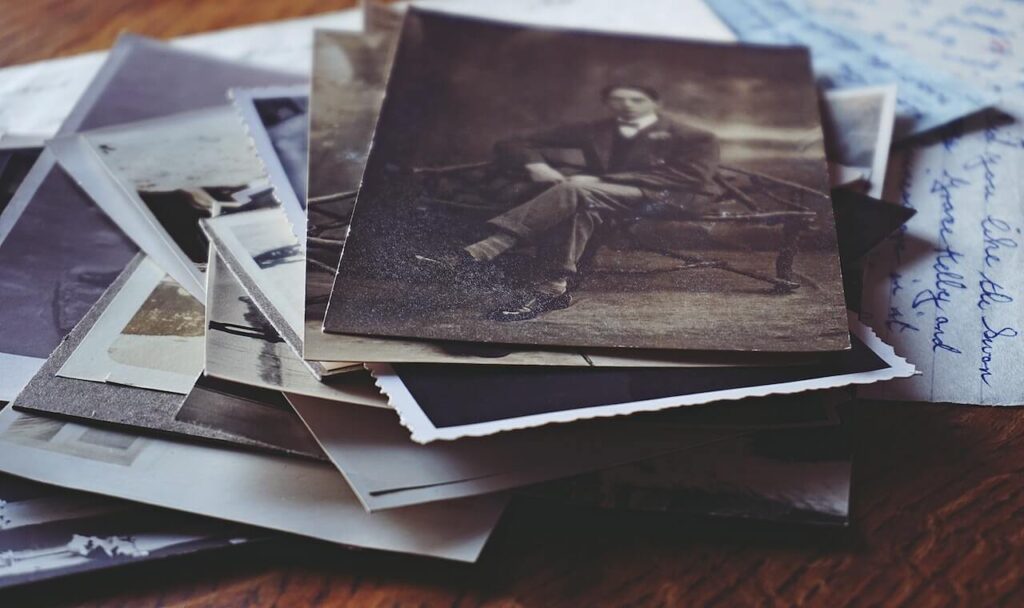
Photographs are different from everyday objects. They represent memory and connection rather than physical routine. Many people find comfort in keeping photos of loved ones who have passed, and Feng Shui does not discourage this when the image feels supportive rather than painful.
How a photo is displayed matters more than whether it’s displayed at all. Frames made from natural materials tend to feel calmer than plastic. Keeping the area clean, well lit, and cared for helps the image feel integrated rather than emotionally heavy.
If a photo brings warmth or peace, it belongs. If it brings constant sadness, it may be better placed somewhere more private for now.
Refreshing the Space After Sorting
After moving, donating, or storing belongings, a home can still feel emotionally dense. This is normal. The space has held grief, decisions, and memory.
Refreshing the atmosphere can be simple. Opening windows, even briefly, helps shift the feeling of the room. Light, air, and movement matter more than ceremony. Some people like to use incense, sound, or quiet movement through the space, but none of this is required. What matters is restoring a sense of circulation and ease.
Handling Belongings With Care
There is no correct timeline for these decisions. Some people sort belongings quickly. Others take months or years. Feng Shui supports moving at a pace that feels respectful rather than forced.
- Keep what brings comfort. Items that feel grounding or meaningful can stay, especially if they are stored thoughtfully.
- Donate when it feels right. Passing belongings on allows them to remain useful rather than frozen in place.
- Release what feels heavy. Some objects carry emotional weight that makes daily life harder. Letting those go can be a relief, not a betrayal.
Try to avoid placing deeply personal items in bedrooms or central living areas, where energy is most active.

Items Feng Shui Suggests Being Extra Mindful With
Certain belongings tend to hold stronger emotional associations and are often harder to integrate comfortably into daily spaces:
- Unwashed clothing
- Broken or damaged objects
- Old bedding or pillows
- Mirrors
- Everyday personal items such as hairbrushes, shoes, or glasses
These items are closely tied to physical presence and routine. Keeping many of them can make a space feel unsettled rather than supportive.
Making Space Without Losing Connection
Feng Shui views the home as a reflection of inner life. When a space is filled entirely with the past, it can feel difficult to breathe or move forward. Creating room does not erase love or connection.
Your relationship with the person you lost is not stored in objects. It lives in memory, influence, and the ways they shaped you. Adjusting your space allows life to continue flowing, without diminishing what mattered.
Making space is not forgetting. It’s allowing your home to support healing, stability, and whatever comes next, while keeping what truly matters close in ways that feel right to you.