

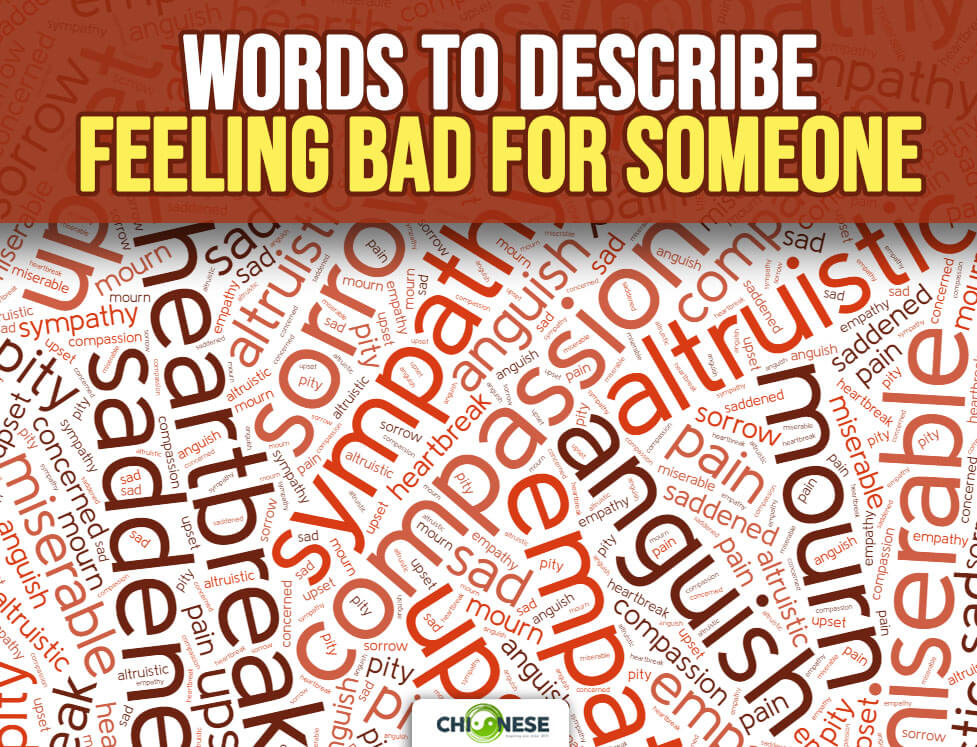
Feeling bad for someone else is one of the most common emotional reactions we experience. It happens when a friend is struggling, when a family member goes through loss, or when you witness someone facing unfair circumstances. The emotion itself is familiar, but describing it accurately can be surprisingly difficult.
People often default to words like sorry or sad, even when those don’t fully capture what they feel. Sometimes the emotion is quiet concern. Other times it’s deep emotional pain, shared grief, or a strong urge to help. This guide explores words used to describe feeling bad for someone, with clear meanings and examples, so you can choose language that actually fits the situation.
Core Words Used to Express Feeling Bad for Someone
These words are the most commonly used and broadly understood. They work in everyday conversations and formal situations alike.
| Word | Meaning |
|---|---|
| Sympathy | Feeling sadness or concern for someone experiencing hardship |
| Empathy | Understanding and emotionally relating to another person’s experience |
| Compassion | Awareness of someone’s suffering paired with care and a desire to help |
| Concern | Worry about someone’s well-being or situation |
| Pity | Feeling sorrow for someone’s misfortune, sometimes from emotional distance |
Example: “I feel sympathy for my neighbor who lost their job. It’s a difficult situation to be in.”
These words are often used when you want to acknowledge someone’s situation without overstating your emotional involvement.
Words That Reflect Deeper Emotional Weight
Some situations create a stronger emotional response. These words describe heavier feelings that often arise when loss, grief, or prolonged suffering is involved.

| Word | Meaning |
|---|---|
| Sorrow | Deep sadness tied to loss or regret |
| Heartbreak | Intense emotional pain caused by seeing someone suffer |
| Anguish | Severe emotional distress or mental pain |
| Mournful | Expressing grief or deep sadness |
| Distraught | Overwhelmed by emotional upset |
Example: “My heart breaks for my friend who just lost a parent. It’s devastating to watch someone go through that.”
These words are appropriate when the emotional impact is strong and difficult to separate from your own feelings.
Words That Describe Your Personal Emotional Response
Sometimes the focus isn’t only on the other person, but on how their situation affects you emotionally.

| Word | Meaning |
|---|---|
| Upset | Emotionally disturbed by what someone is experiencing |
| Pained | Feeling emotional discomfort from seeing another person suffer |
| Saddened | Feeling sorrow because of someone else’s circumstances |
| Miserable | Deeply unhappy due to another person’s ongoing struggle |
Example: “I feel pained watching my friend deal with constant health issues.”
These words highlight emotional closeness and personal involvement.
Words That Emphasize Shared Experience and Support
Some words focus less on observation and more on emotional connection or action.
| Word | Meaning |
|---|---|
| Commiseration | Expressing shared sadness or understanding |
| Altruistic | Acting with selfless concern for others |
Example: “I commiserated with my coworker after hearing about the stress they’ve been under.”
These words are useful when emotional support, presence, or action is involved rather than passive feeling.

Choosing the Right Word Matters
Not all situations call for the same language. Using the wrong word can unintentionally minimize someone’s experience or make your response feel distant.
- Empathy works best when you understand the experience personally.
- Sympathy is appropriate when you acknowledge hardship without shared experience.
- Compassion fits situations where care and support are implied.
- Pity can sound detached if used carelessly.
- Heartbreak and anguish should be reserved for emotionally heavy situations.
Being specific doesn’t make emotions colder. It makes communication clearer.
Not All Caring Sounds the Same
Many of these words overlap, but they aren’t interchangeable.
- Sympathy recognizes pain.
- Empathy connects to pain.
- Compassion responds to pain.
Small shifts in wording can change the tone of a message entirely.
When Words Fall Short
There are moments when choosing the “right” word isn’t what matters most. Sometimes the situation is too raw, too personal, or still unfolding. In those cases, language works best when it stays simple and honest rather than polished. People usually remember how something was said, not whether the wording was perfect.
Why Having More Words Still Helps
Even when you don’t use them out loud, knowing the difference between these words gives you clarity. It helps you sort out what you’re actually feeling, whether it’s concern, shared sadness, emotional strain, or a pull to support someone more actively.
This list isn’t about finding impressive language. It’s about recognizing emotional nuance and choosing words that fit the situation instead of defaulting to the same few every time.
Read Also:
What To Say To Someone That Lost A Loved One (And What To Avoid)
Seeing 222 Angel Number After Death? Here’s What It Means (222 & 2222)
Words To Describe Joe Biden (Both Good & Bad) With Definitions