



Money isn’t just a practical tool. For centuries, people have attached meaning, fear, hope, and rules to it. That’s how superstitions about money were born. Some of them are meant to protect wealth, others to attract it, and a few exist simply because people once needed explanations for financial ups and downs.
These beliefs have been passed down through families, cultures, and generations. Even if you don’t take them seriously, chances are you’ve heard at least a few of them before.
Here are ten money superstitions from around the world, along with where they likely came from.
Never Carry a Bill in Your Pocket
One old belief says that carrying paper money loosely in your pocket invites loss. According to the superstition, bills kept this way tend to disappear quickly, either through careless spending or unexpected expenses.
Some versions claim that small bills are especially unlucky, while others say any folded cash should be kept in a wallet to “contain” it properly. While fewer people carry cash today, this superstition still survives in families that associate order with financial stability.
Don’t Spend Money You Haven’t Earned Yet
This superstition centers on timing. Spending money before it is earned is believed to drain future luck. The idea comes from older beliefs that fortune follows discipline and patience.
While modern life often relies on credit, many people still feel uneasy spending money they don’t technically have yet. That discomfort is often linked more to this superstition than to actual finances.
Seeing a Coin on the Ground Means an Expense Is Coming
In some traditions, spotting a coin on the ground is not good news. The belief says that picking it up leads to an unexpected expense later that day.
Other cultures believe the exact opposite, that finding a coin brings good luck and should never be ignored. The superstition depends entirely on where you grew up and what you were told as a child.
Never Put Money in a Yellow Envelope
This superstition comes from symbolic color meanings. In some traditions, yellow represents fate, endings, or decay. Placing money in a yellow envelope was believed to “kill” its value or give it away energetically.
Because of this, people avoided storing cash or gifting money in yellow packaging, especially during important events.
Walking Under a Ladder Brings Financial Bad Luck

While this superstition isn’t strictly about money, many people believe walking under a ladder affects luck in general, including finances.
One explanation ties ladders to power structures. Passing beneath one was seen as disrespectful or risky. Another explanation links ladders to medieval punishments and executions, which made them symbols of danger. Even today, many people avoid ladders automatically, regardless of belief.
Don’t Spend Money on Love
This belief comes from Chinese tradition and suggests that love should not be bought. Spending heavily on romance was thought to unbalance life and leave nothing for stability or security.
The superstition isn’t about generosity but excess. It warns against pouring money into emotional matters at the expense of long-term balance.
Always Carry a Coin With You
One of the most widespread money superstitions says that carrying a coin prevents poverty. The coin acts as a symbol of continuity, meaning money is always present and never completely gone.
In many cultures, the coin should never be spent. Once it leaves your pocket, the protective effect is believed to disappear.
Never Put Money Directly on the Table
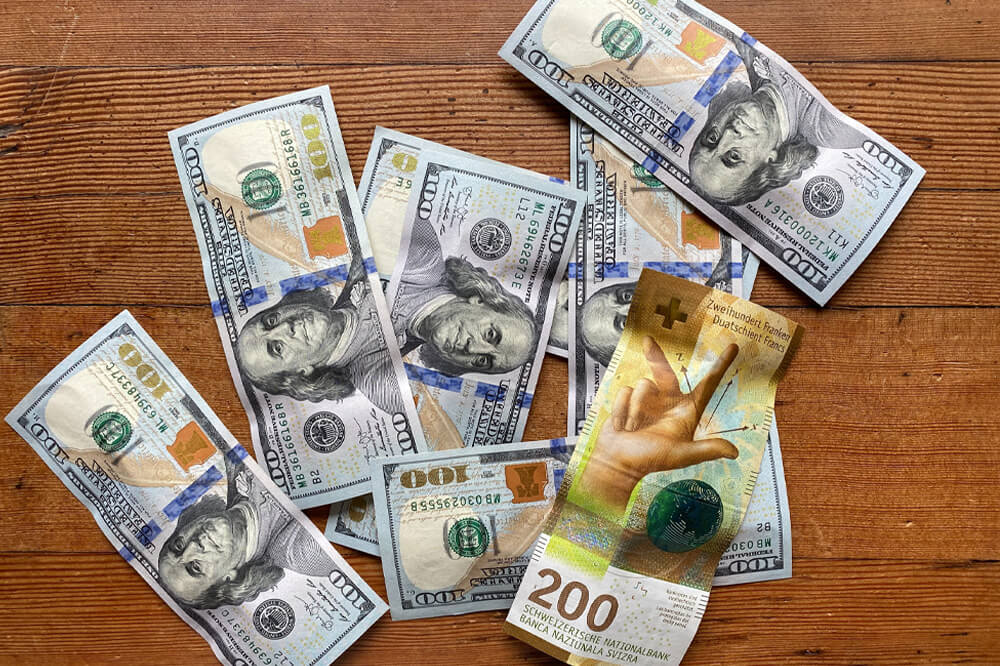
Placing money directly on a table is considered disrespectful in some traditions. The belief says it attracts greed, loss, or unwanted attention.
Another explanation is practical. Tables were once used for food and shared meals, and mixing money with that space was seen as inappropriate or unclean.
Woolen Purses Were Once Considered Unlucky
Before modern wallets existed, some people believed woolen purses were dangerous for money. Wool was associated with tangling, friction, and damage.
The superstition claimed that money placed inside wool would “get stuck” and never grow. Over time, leather became the preferred material for wallets, partly because of this belief.
Itchy Palms and Money Predictions
This superstition appears across Europe and Asia. An itchy palm is believed to signal incoming or outgoing money.
Which hand means what depends on the culture. In some places, an itchy right palm means receiving money, while the left means paying. In others, the meanings are reversed. Even people who don’t believe in superstitions often notice when this one seems to “work.”
Why Money Superstitions Still Exist
Most money superstitions were created to explain uncertainty. Before modern banking, saving systems, or financial education, people relied on patterns and symbols to make sense of gain and loss.
While these beliefs aren’t rules you need to follow, they reveal how deeply money has always been tied to emotion, security, and fear.
You don’t have to believe in them. But knowing where they come from makes them far more interesting than they first appear.