

Amulets and talismans have been used for protection for thousands of years. Across cultures, people have carried, worn, or displayed certain objects because they believed those objects helped keep harm away. Sometimes the protection was spiritual. Sometimes symbolic. Sometimes psychological. Often, it was all three at once.
Traditionally, amulets and talismans were made from materials people trusted: metal, wood, stone, bone, clay, minerals, or carved symbols. Their purpose wasn’t decoration alone. They were meant to guard, block, or redirect unwanted influence, whether that was bad luck, envy, illness, or hostile intent.
Belief plays a role here, but so does tradition. Many of the protective symbols still used today come from very old systems: folk magic, religious practice, family customs, and regional superstitions passed down over generations. For those who focus more on stones and minerals, a healing crystal guide can offer extra context around why certain materials have long been associated with protection.
Pentagram
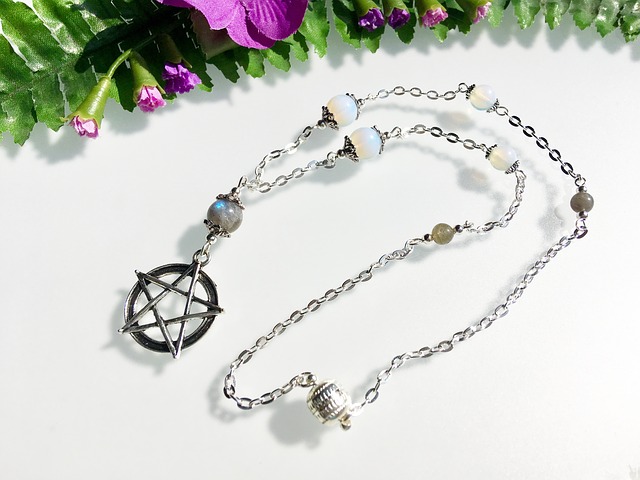
The pentagram is one of the oldest protective symbols in human history. Long before it was misunderstood or misused in pop culture, it represented balance and order.
Each point is linked to an element: earth, water, fire, air, and spirit. Worn as an amulet, the pentagram was meant to guard the wearer by keeping these forces in balance. Historically, it was associated with knowledge, boundaries, and personal strength.
Many people still wear pentagram jewelry today, especially necklaces and rings. Others place the symbol near entrances, believing it protects the entire household. In some traditions, it’s also used in feng shui-influenced spaces to reinforce stability and protection.
Nazar (Evil Eye Amulet)
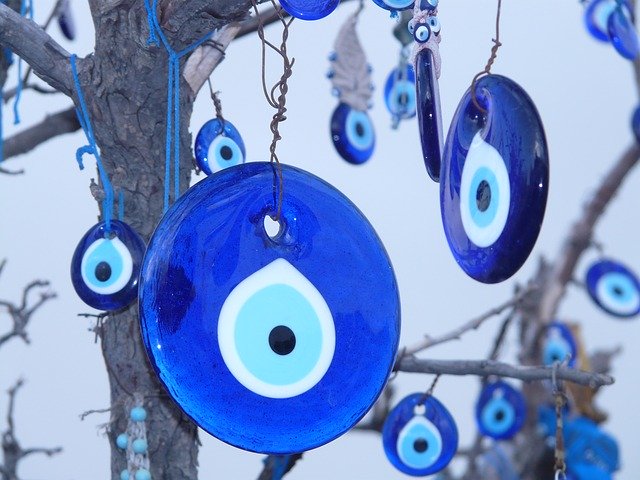
The Nazar, often called the evil eye amulet, is one of the most recognizable protection charms in the world. Its blue eye design comes from Middle Eastern and Mediterranean traditions, where it’s believed to guard against envy, ill intent, and manipulation.
The idea behind it is simple. When someone directs jealousy or hostility toward you, the Nazar absorbs or deflects it before it can reach you.
Some traditions say the evil eye works best when received as a gift rather than bought for yourself, though this varies by culture. You’ll find it as jewelry, beads, wall hangings, car charms, and even baby accessories in many countries, with the evil eye ring being a particularly popular choice for everyday wear.
The Hand of Fatima (Hamsa)
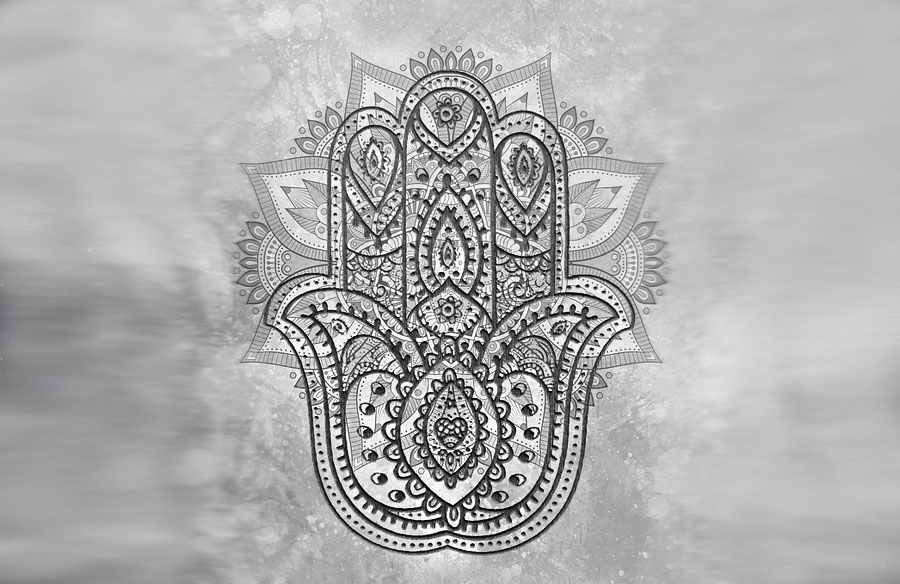
The Hamsa is a palm-shaped amulet used across North Africa and the Middle East. It’s known for protection, especially against harm, fear, and misfortune.
In Jewish tradition, it’s associated with Miriam, the sister of Moses. In Islamic tradition, it’s linked to Fatima, the daughter of Muhammad. Across cultures, it has also been connected to feminine strength, fertility, and safeguarding vulnerable people.
The Hamsa is commonly worn as jewelry, displayed in homes, hung in cars, or used as a protective symbol for families. Many people choose it specifically during periods of change, pregnancy, or emotional instability.
Triquetra (Celtic Trinity Knot)
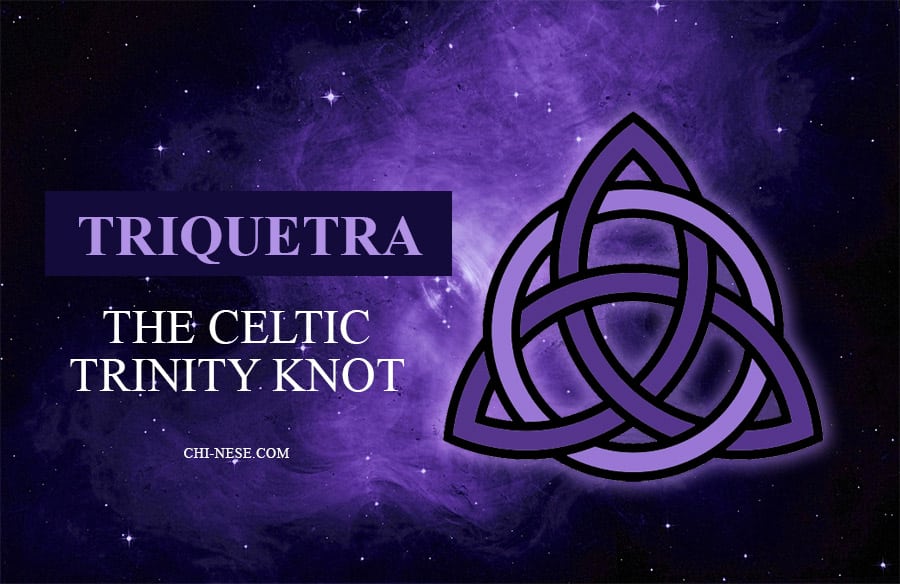
The Triquetra comes from Celtic tradition and is built around the sacred number three. It’s often linked to earth, water, and fire, or body, mind, and spirit.
As a protection symbol, the Triquetra represents balance and continuity. The unbroken lines suggest stability and defense against outside disruption. In folklore, it was believed to help keep harmful forces from entering one’s personal space.
Today, it appears on jewelry, carved stones, tattoos, and decorative objects. Many people choose it during times when they want to strengthen their sense of identity or personal boundaries.
Thai Buddha Amulet
Thai Buddha amulets, sometimes called votive tablets, are among the most widely worn religious talismans in the world. Traditionally, they’re blessed by monks and given in exchange for donations or offerings to temples.
These amulets are carried for protection, luck, and stability. In some beliefs, they’re also associated with safeguarding relationships, finances, and personal conduct.
Because of their religious importance, many people treat Buddha amulets with respect rules, such as not placing them below the waist or wearing them in inappropriate settings.
Horseshoe
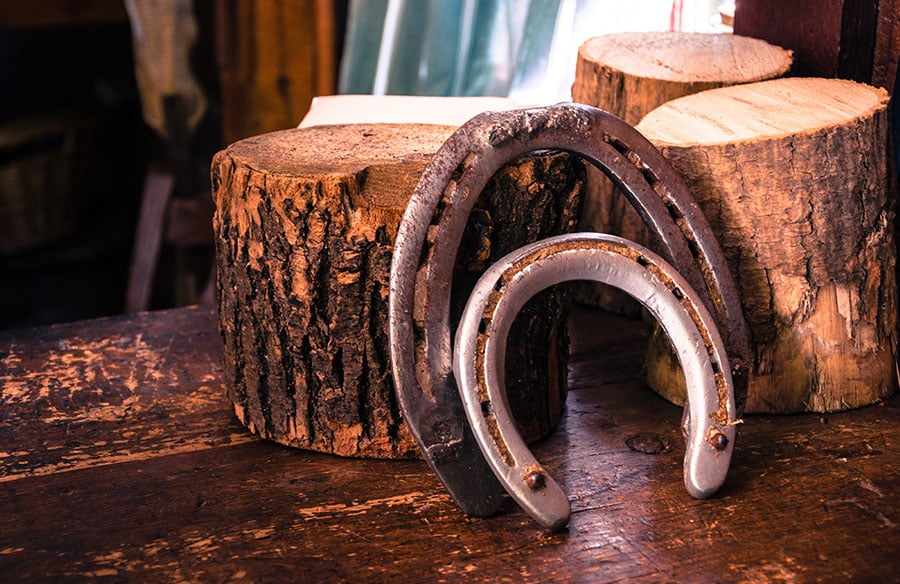
The horseshoe is one of the oldest and simplest protection symbols. For centuries, people have hung horseshoes above doorways to block harmful influences and attract good fortune.
Its curved shape was believed to trap luck, especially when hung with the open end facing upward. Iron itself was once considered protective, which added to the horseshoe’s reputation.
Finding a horseshoe on the road was thought to carry extra power, but horseshoe pendants, charms, and decorations remain popular today. Many people still place them at entrances for household protection.
Hekate Talisman
Hekate has long been associated with protection at crossroads, during travel, and in situations where boundaries matter. In ancient traditions, she was called on when people moved through uncertain territory, both physically and emotionally.
A Hekate talisman is traditionally used as a form of protection against harmful influences, confusion, and unseen threats. It’s often linked to night travel, liminal spaces, and moments when someone feels exposed or vulnerable. Because of this, many people still associate Hekate symbols with protection while traveling, especially when moving through unfamiliar places or transitional phases in life.
Common symbols tied to Hekate include keys, torches, and crossroads imagery. These weren’t decorative. Keys represented control over access and boundaries. Torches symbolized seeing clearly when visibility was low. Together, they formed a system of protection meant to guard against what couldn’t be easily seen or anticipated.
Historically, Hekate-related charms were placed near doorways, carried during journeys, or kept close during periods of change. Today, people who use a Hekate talisman often do so for grounding, personal safety, and protection from dark or destabilizing influences, especially when they feel exposed or off-balance.
Choosing a Protective Amulet
In much of Europe, symbols like the horseshoe or pentagram have long been tied to protection. In the United Kingdom, Celtic talismans are more closely linked to local folklore and long-standing beliefs. A Thai Buddha amulet, for example, often carries deeper meaning and weight for someone raised in that cultural context than it would for someone whose roots are Celtic.
The idea isn’t that one symbol is stronger than another. It’s that protection has always worked best when it’s familiar and culturally grounded.
Protection amulets have taken many forms over time, from stones and metals to written words, plants, and carved symbols. What connects them isn’t the material itself, but the intention supported by long-standing belief.
If you decide to carry one, choose something you understand and genuinely respect. Not because it promises miracles, but because it represents boundaries, safety, and stability in a way that feels grounded to you. That’s why these symbols have lasted for centuries.